


 Online Reporter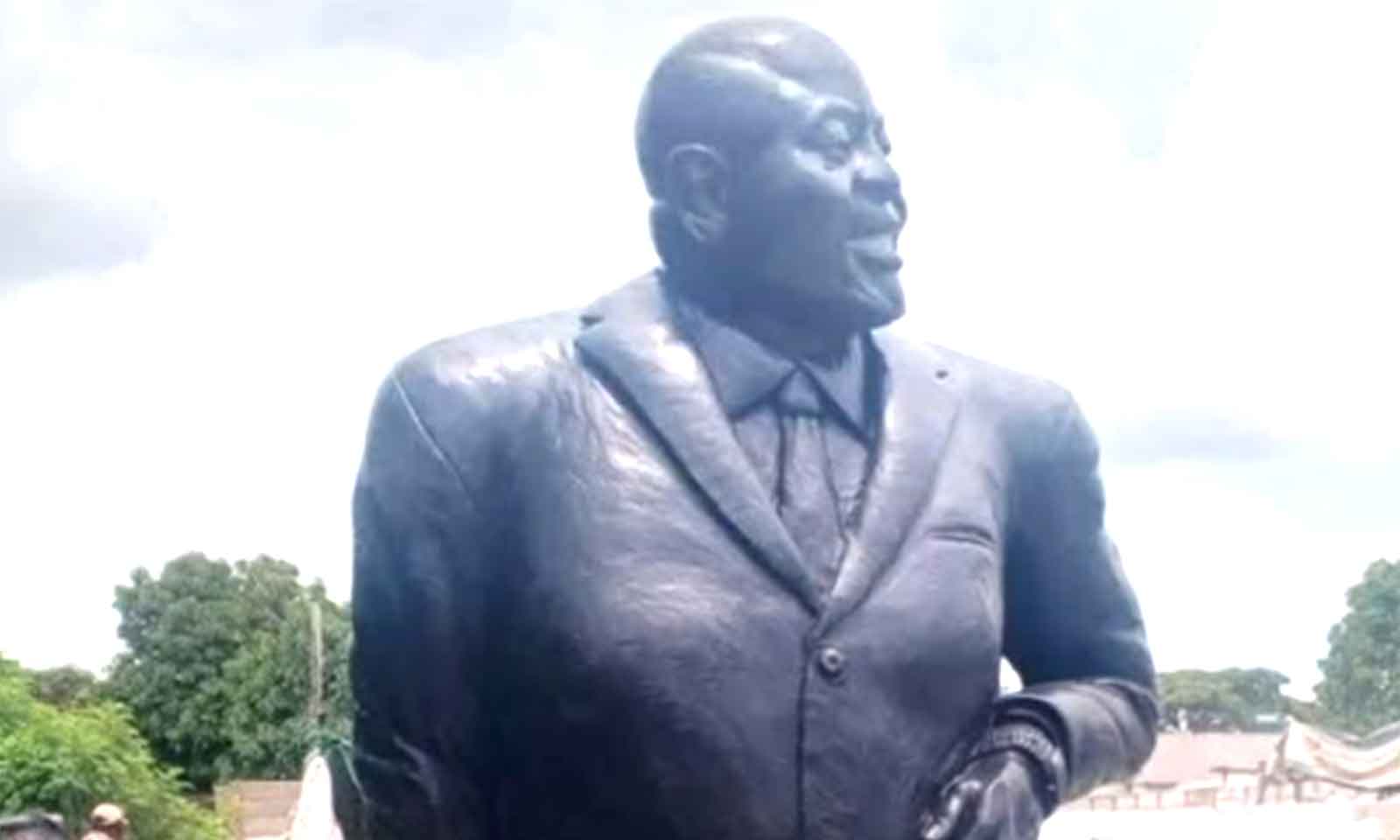
THE controversy over a statue for businessman Wicknell Chivayo is less about a single individual and more about how societies choose to memorialise power, wealth, and public influence.
Statues are moral billboards.
When that honour is extended to a figure, controversy is inevitable − and healthy in a democracy.
At the heart of the dispute are three intertwined issues: legitimacy, process, and precedent.
Legitimacy asks whether Chivayo’s public contributions, philanthropy, and influence merit permanent commemoration.
Supporters point to his high-profile donations, visible patronage of arts and sports, and the immediate material impact of his giving − school fees paid, church projects funded, athletes sponsored.
Critics counter that philanthropy, however generous, does not automatically translate into civic heroism.
Chivayo, himself, has said he feels he hasn’t done enough to deserve a statue as an honour.
That’s commendable, coming from him, a man who seemingly thrives by being under the public spotlight.
But, there is also another angle.
The businessman says he is not happy with the way that the three sculptors crafted his face.
He says the face of the statue doesn’t do justice to his facial features and, jokingly, he says the artists failed to capture, deliberate or otherwise, his good looks. That’s very clear.
A statue should try, as much as possible, to portray the features of the person who is being honoured.
There is no way that the statue, which was crafted by those three artists is a reflection, especially in terms of the facial features, of Chivayo.
That is what triggered all the mayhem on social media with many people feasting on it and using it to mock Chivayo and also criticise the artists.
To their credit, the three artists have conceded that they did not do a fine job in coming up with this statue.
They said that this is part of a learning process for them and they believe that they will do a better job, or better jobs, in the future.
They are not the first artists to come up with a statue which has been heavily criticised. As we reported in this newspaper yesterday, even the likes of Michael Jackson, Cristiano Ronaldo, Mohamed Salah and Shakira − heavyweights with bigger names around the world than Chivayo − found themselves in the same situation like the local businessman.
The fury related to Ronaldo’s poor statue, which had been erected in his hometown of Madeira, Portugal, was so big that it had to be removed and replaced by a new one.
There was also a lot of fury related to the statues which were also done for MJ, Salah and Shakira.
This also shows that the three artists in Chitungwiza didn’t do it out of malice to feed the anti-Chivayo brigade which jumped on the statue to mock the businessman.
They say they wanted to honour the businessman and we understand that their intentions were not bad even though, in the end, it has created all this controversy.
Let’s encourage them, next time they are likely to come up with a fine product.


That statue is more handsome than the real Chivhayo.