Online Reporter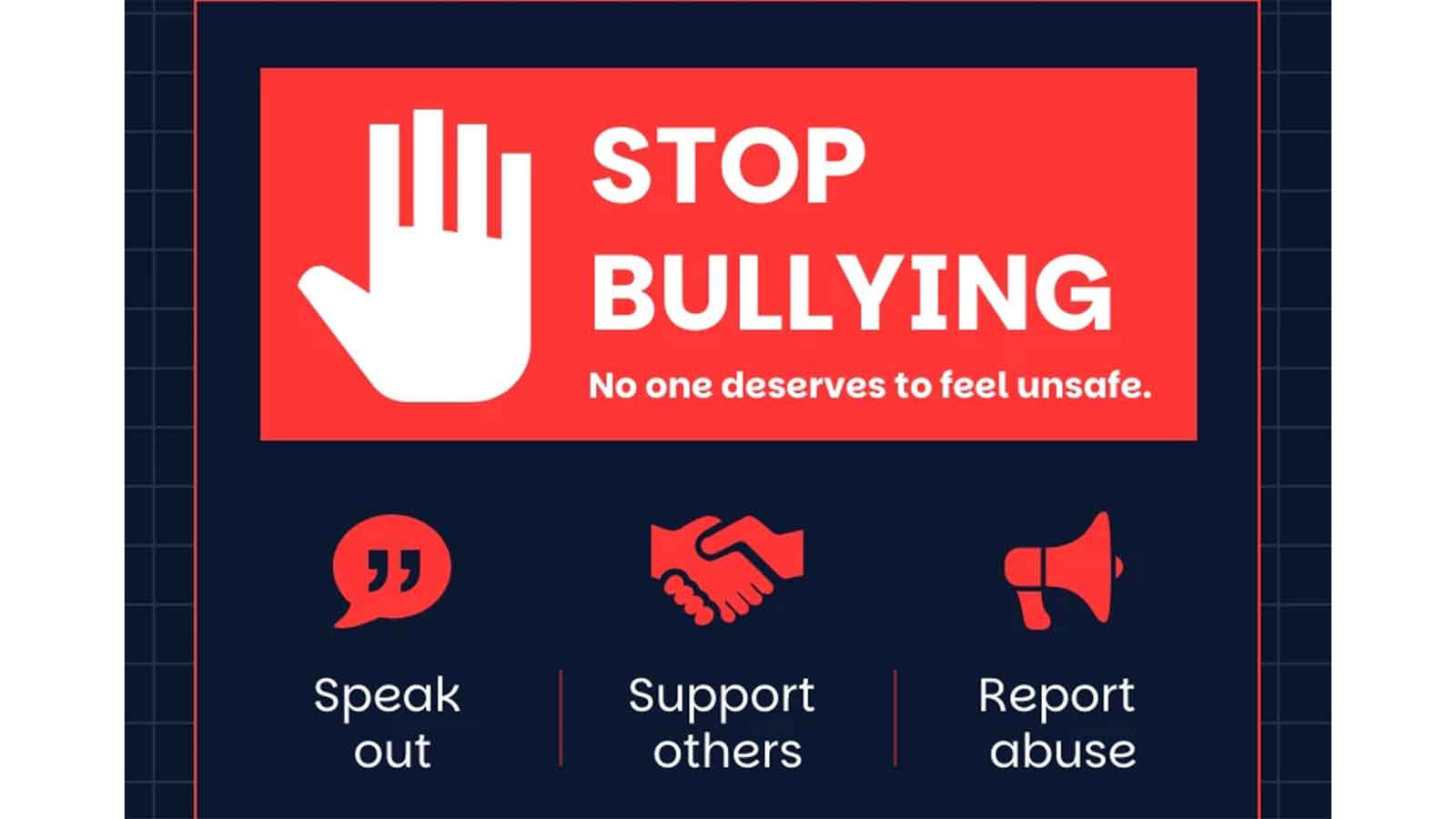
YESTERDAY, we covered the story of a student at Mushumbi High 2 School, who allegedly has a history of assaulting fellow learners.
This should concern everyone who values education as a safe place for children.
Schools are meant to be environments where young people develop academically, socially and emotionally, not places where fear, intimidation and violence become part of everyday life. Every learner deserves to attend class without worrying about being humiliated or physically attacked by another student.
Bullying is far more than childish mischief or a harmless phase.
It can leave deep emotional scars that last for years.
Victims often lose confidence, struggle to concentrate on their studies and, in some cases, become reluctant to attend school.
Their academic performance may suffer and their mental health can be severely affected. No child should have to choose between getting an education and feeling safe.
The reports that this student has repeatedly assaulted others means this case should have been addressed long before it reached this stage.
A pattern of violent behaviour rarely disappears on its own.
It requires timely intervention from teachers, school administrators, parents and, where necessary, education authorities. Ignoring repeated incidents only emboldens the bully while leaving victims feeling abandoned by the very people entrusted with protecting them.
At the same time, the response should not simply be about punishment.
While there must be firm disciplinary measures to protect other students, it is also important to understand why a learner repeatedly behaves violently.
Some children who become bullies may themselves be experiencing problems at home, exposure to violence or emotional challenges.
Understanding those factors does not excuse their actions, but it can help schools and families address the root causes and prevent further incidents.
Parents also have an important responsibility.
Raising respectful, disciplined and empathetic children begins at home.
Parents should teach their children that strength is demonstrated through kindness, self-control and respect for others—not through intimidation or physical aggression.
Equally, parents should take complaints about their children’s behaviour seriously instead of automatically dismissing them or blaming everyone else. Schools should strengthen anti-bullying policies and ensure that every complaint is investigated promptly and fairly.
Learners must feel confident that if they report bullying, their concerns will be taken seriously and handled without fear of retaliation.
Teachers should also be equipped to identify early warning signs before bullying escalates into serious violence.
Fellow students also have a role to play. Remaining silent when classmates are repeatedly victimised allows bullying to continue.
Encouraging a culture where learners support one another and report violent behaviour can make schools much safer. Courage is not standing by while someone is abused; courage is speaking up to protect those who cannot defend themselves.
Ultimately, the goal should be to create a school environment where discipline, compassion and accountability exist side by side.
Students who bully others must understand that their actions have consequences, while victims deserve protection, support and justice.