Online Reporter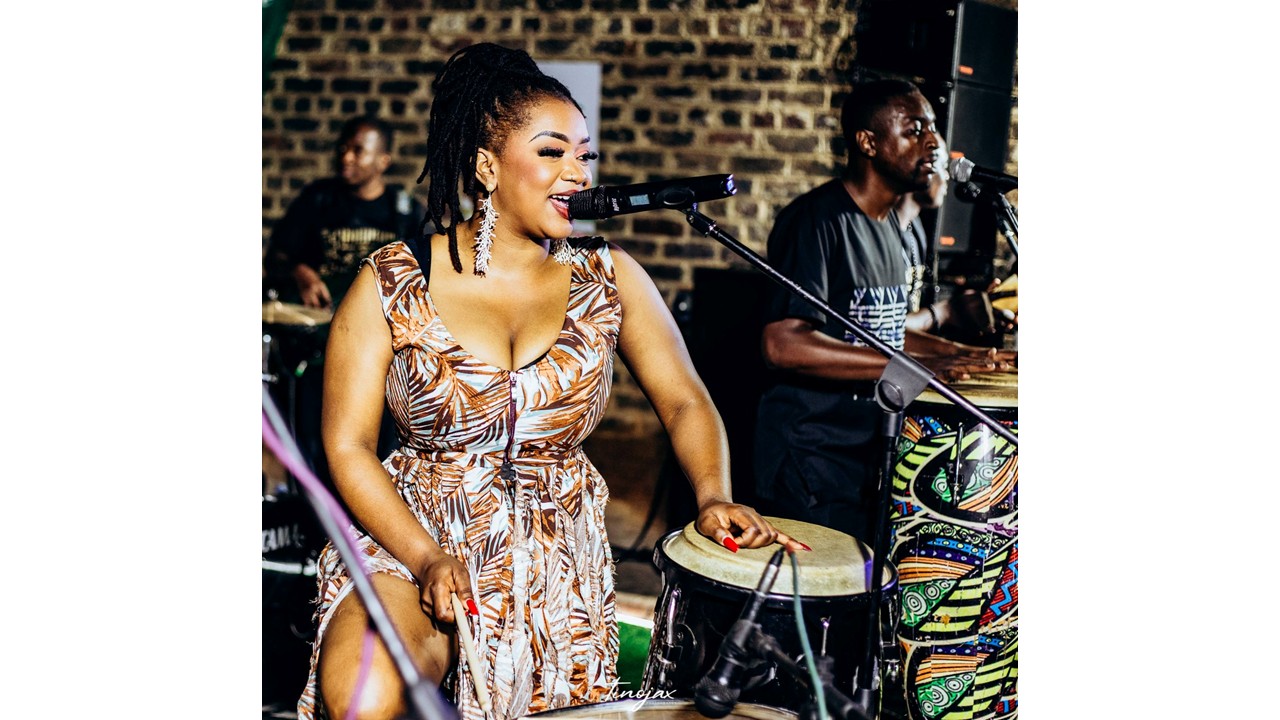
FELI Nandi’s bold attempt to fill the Harare International Conference Centre (HICC) deserves admiration regardless of what the final attendance figures will be.
In an industry where many musicians prefer to play it safe by sticking to smaller venues, she has chosen to dream bigger, challenge herself and test the strength of her growing fan base.\
That kind of ambition is exactly what Zimbabwean music needs if it is to continue evolving.
For many years, filling the HICC has been regarded as one of the biggest achievements for any local musician. The venue is associated with major concerts, international productions and some of Zimbabwe’s greatest entertainment moments.
It is not a stage that artists approach casually.
The fact that Feli Nandi has decided to headline such an event reflects the confidence she has developed through years of hard work, consistency and quality performances.
The concert is being promoted as “Fill Up HICC,” with ticket promotions and a nationwide campaign aimed at making the event accessible to more fans.
Whether she succeeds in filling every seat or not, the journey itself carries an important lesson.
Zimbabwean artists should not limit their dreams because of fear of failure or criticism.
Every major milestone in the entertainment industry began with someone willing to take a risk. If musicians never challenge themselves, they can never discover just how far their brands can grow.
Feli Nandi has earned the right to dream big.
Since launching her solo career, she has built a loyal following through her distinctive Afro-fusion sound, powerful vocals and memorable songs.
She has steadily grown from being a promising artist into one of the country’s leading female musicians.
That success has not happened overnight.
It has come through patience, determination and a willingness to improve with every project.
The campaign surrounding this concert also demonstrates professionalism. From discounted student tickets to partnerships with businesses and a nationwide promotional tour, the organisers have shown that filling a major venue requires planning, marketing and fan engagement rather than simply announcing a date and hoping people will come.
Some critics may argue that the HICC is too ambitious or that Zimbabwe’s economy makes it difficult to attract large paying audiences.
Those concerns are understandable, but ambition should never be discouraged.
Every successful entertainment market is built by artists who constantly stretch the boundaries of what is considered possible.
Even if the venue is not completely sold out, a strong turnout would still represent significant progress for Zimbabwean music.
Another encouraging aspect is that Feli Nandi’s effort could inspire more female artists to believe that they too can headline major venues.
The music industry has often been dominated by male performers when it comes to large concerts.
Seeing a female artist confidently pursuing such a challenge sends a powerful message that talent, preparation and determination matter more than gender.
Fans also have an important role to play.