
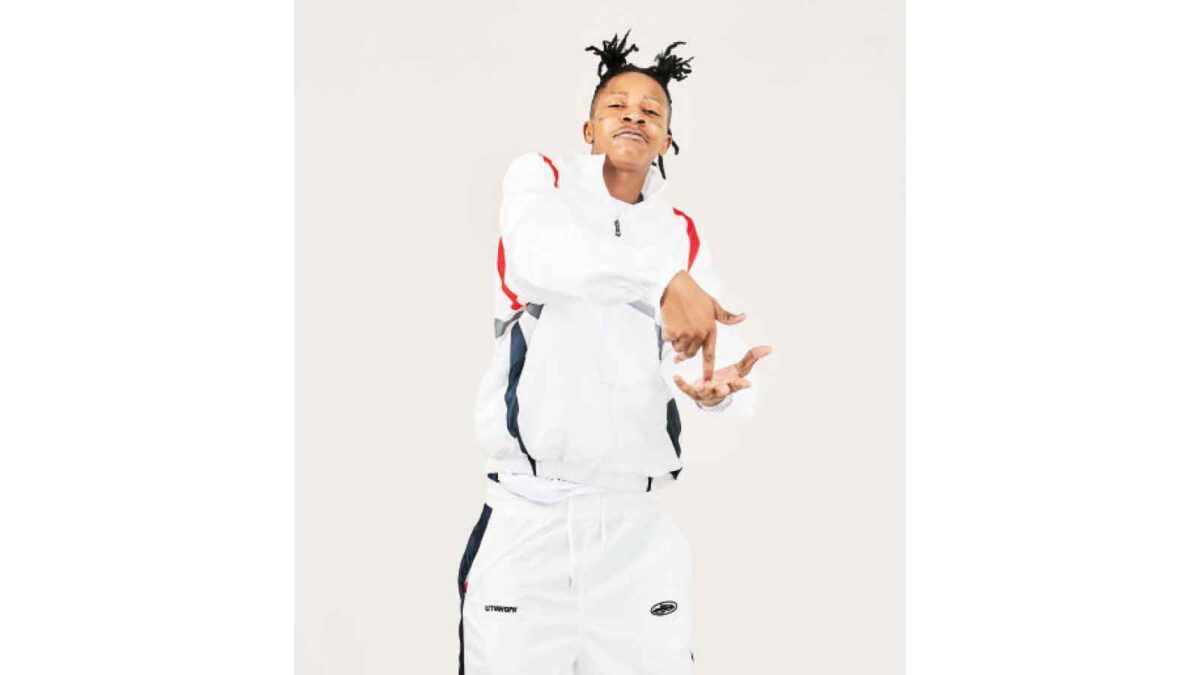
Success in the entertainment industry is often fleeting. One hit song can make an artiste the talk of the town, but remaining relevant requires more than talent. It demands discipline, professionalism and respect for the very people who make that success possible.
As Zimdancehall artiste Hulengende continues to enjoy growing popularity, the challenge before him is no longer how to become famous, but how to manage that fame responsibly.
The music industry is littered with examples of gifted artistes whose careers were cut short not because they lacked talent, but because they allowed arrogance, indiscipline and notoriety to overshadow their gifts. The excitement surrounding Hulungende’s rise should therefore serve as a reminder that popularity is a privilege, not an entitlement.
Fans are the foundation of every successful music career. They spend their hard-earned money on show tickets, stream songs, attend performances and promote artistes through word of mouth and social media.
Promoters, on the other hand, invest significant resources in organising events, marketing performances and creating platforms for artistes to showcase their craft. Without these stakeholders, even the most talented musician would struggle to reach the heights of success.
It is against this background that reports of artistes missing shows, arriving excessively late or displaying a lack of professionalism should be viewed seriously.
Whenever an artiste fails to honour commitments, it is not merely a scheduling issue. It is an act of disrespect towards paying fans and promoters who have fulfilled their obligations.
A fan who travels long distances to attend a show only to discover that the headline act has failed to appear may think twice before supporting future events. Likewise, a promoter who loses money because of an artiste’s conduct may be reluctant to invest in similar ventures.
The consequences often stretch beyond financial losses. Delays and no-shows can trigger frustration among audiences, leading to unrest and crowd trouble. In such situations, innocent people can be injured, property can be damaged and the reputation of both the artiste and the wider entertainment industry suffers.
A responsible performer understands that his actions carry consequences far beyond the stage.
For Hulengende, this moment in his career should be viewed as an opportunity to build a lasting legacy. Every appearance is a chance to strengthen relationships with fans. Every performance is an opportunity to show gratitude for the support that has elevated him from relative obscurity to public recognition. Arriving on time, respecting contractual obligations and communicating honestly when unavoidable challenges arise are not extraordinary expectations. They are the basic standards of professionalism.
There is a dangerous misconception in some entertainment circles that notoriety and greatness are the same thing. They are not. Notoriety attracts attention, but often for the wrong reasons. Greatness earns admiration because it is built on talent, dedication, humility and reliability. Notorious people make headlines for controversy. Great people make history through positive contributions.
Hulengende must therefore choose the path he wishes to follow. He can allow temporary fame to inflate his ego and risk alienating those who have stood behind him. Or he can embrace professionalism, respect his audiences and become a role model for aspiring musicians.
One path leads to short-term attention and eventual decline. The other leads to longevity and genuine respect.