Marriage is widely regarded as one of life’s most cherished institutions, built on love, companionship, trust and a commitment to stand together through difficult times.
For many people, getting married is a lifelong dream, while others view it as an important milestone that gives their lives a sense of fulfilment.
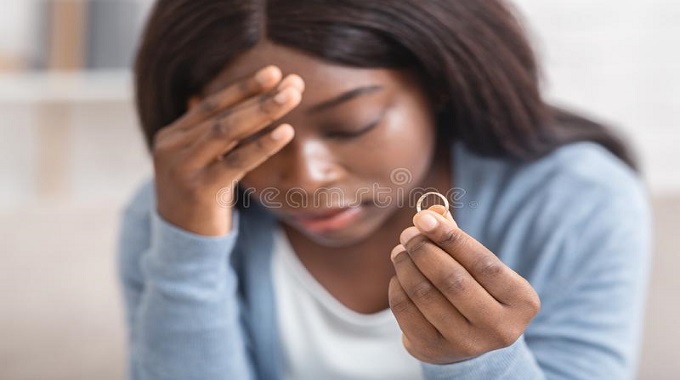
However, there is a disturbing reality that society must confront: marriage should never become a death sentence, and no one should feel compelled to remain in an abusive or dangerous relationship simply to protect the sanctity of a wedding ring.
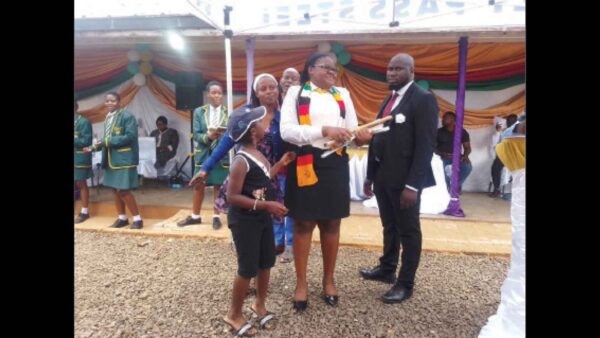
The recent call by Senator Mary Mliswa urging couples to walk away from unhealthy marriages deserves serious consideration, particularly against the backdrop of reported cases of spouses killing their partners.
Reports of women and men losing their lives at the hands of people they once trusted with their happiness are a painful reminder that domestic violence remains a serious social concern.
There is a tendency in some sections of society to romanticise marriage to the extent that leaving one becomes synonymous with failure. People are often encouraged to endure difficult relationships, sometimes at the expense of their physical, emotional and psychological wellbeing. While commitment, forgiveness and patience are important ingredients in marriage, they should never be used to justify abuse, intimidation, violence or threats to life.
Mliswa’s observation that sometimes the most spiritual thing a person can do is walk away from something unhealthy speaks to an important distinction that must be understood. There is a difference between working through ordinary marital disagreements and remaining in an environment where one’s safety is constantly under threat.
Marriage is not supposed to be a prison, and commitment should not demand that someone sacrifices their life. No wedding vows, religious expectations or societal pressures should take precedence over the fundamental right to live safely.
Unfortunately, some victims of domestic abuse remain trapped in dangerous relationships because of fear of being judged, financial dependence, children, religious expectations or the hope that their partners will eventually change. Others fear the stigma associated with divorce or separation, particularly in communities where married people are accorded greater social respect than those who are single.
Equally important is the need to recognise warning signs before relationships deteriorate into violence. Controlling behaviour, persistent intimidation, threats,
Mliswa also made an important point about people who are unmarried, divorced or widowed, reminding them that their worth is not determined by their marital status. This message challenges a deeply entrenched social perception that marriage is the ultimate measure of personal success.
There is nothing inherently wrong with being single, just as there is nothing shameful about leaving a marriage that has become destructive. People should not be made to feel incomplete simply because they have not found a partner or because a previous relationship did not work out.
A wedding ring is a symbol of commitment, not a life sentence. Society must stop celebrating endurance at all costs and start placing greater value on human life, dignity and personal safety. No one should have to die to prove that they were committed to their marriage.