Wallace Ruzvidzo-Herald Reporter
ZIMBABWE’s envoys will market the Institute of African Knowledge, including the Museum of African Liberation and Liberation City, as a premier destination for telling Africa’s story, Dean of Ambassadors Ignatius Mudzimba has said.
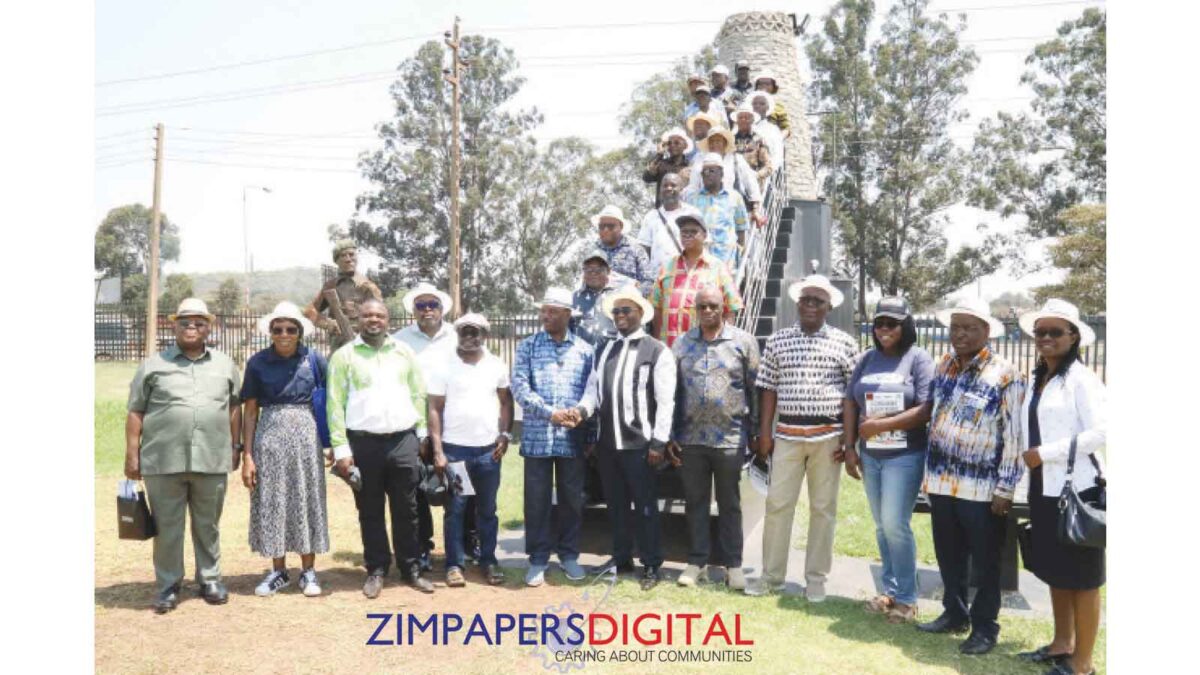
The diplomats yesterday toured the sprawling facility to appreciate its role in preserving Zimbabwe and Africa’s history while promoting economic and cultural diplomacy.
The visit by Zimbabwean ambassadors, ambassadors-designate, consuls-general and chargés d’affaires accredited around the world comes as the Second Republic continues to position the country’s heritage and historical assets as platforms for tourism, investment and international engagement.
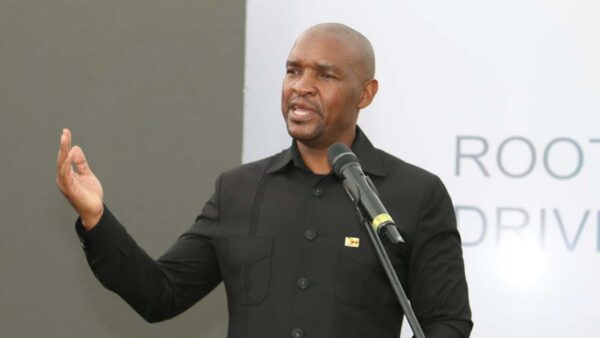
Speaking to the media after the tour, Ambassador Mudzimba said the development of the facility was significant as Africans increasingly took ownership of their historical narrative.
“Well, this is a very noble project, not only for Zimbabwe, but for Africa. If you want to know the history of Africa, you come to Zimbabwe.
“You’ll get everything in one pot.
“So we are going to market this project to the international world that Africa is now telling its own story.
“And if you want to know the true history of each and every African country, go to Zimbabwe and everything is under one roof,” he said.
Ambassador Mudzimba said the Liberation City was comparable in significance to Victoria Falls, one of Zimbabwe’s major international tourism attractions.
“So I compared this project to our mighty Victoria Falls, which is one of the seven wonders of the world.
“This is a project of its own. I’ve never seen a project of this nature.
“So we want the world to know what Zimbabwe is doing in terms of telling its own story, so that Africans know their roots and the history that they’ve gone through, from colonisation to where we are and the way we want to go as a continent.
“So I’m really, really impressed,” he said.
The envoy said the facility presented Zimbabwe’s diplomats with another platform to promote the country internationally, particularly as the Government continues to broaden the scope of diplomatic engagement beyond traditional political relations.
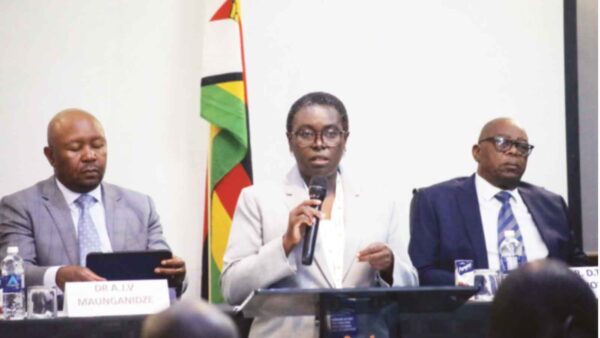
Zimbabwe’s Ambassador to Japan Stewart Nyakotyo said culture was an important component of every country’s identity and history.
“It’s a reflection of the values that every society attaches and those values are not values that are abstract. The values form over a period of time.
“Usually, you can have aspects of culture that have to do with music, that have to do with food, that have to do with how you relate to each other and how you treat each other as human beings in general.
“So it’s not just about the performance aspect of culture, but it encompasses a lot of issues that are relevant to every nation,” he said.
Ambassador Nyakotyo said the preservation of heritage was particularly important in ensuring that historical knowledge was passed from one generation to another.
“Japan is one country that is very particular about their culture.
“It’s a culture that has transcended generations and this is also the same with Zimbabwe because we have had kingdoms.
“We’ve had various kingdoms, the Munhumutapa Kingdom and all these other kingdoms that have come about.
“So that aspect of our culture has been passed on to the modern generation and as you go around the country, you realise that our language is the same,” he said.
Ambassador-designate Miriam Chikukwa also welcomed the project, saying it was important for Africans to take ownership of the narration of their history.
“When I visited this place, I started reminiscing on our history . . . it should be now us writing about us,” she said.
The tour comes a day after President Mnangagwa challenged Zimbabwe’s diplomatic corps to ensure the country’s foreign relations directly contribute to national development, including through investment, tourism, trade and technological cooperation.