

 Online Reporter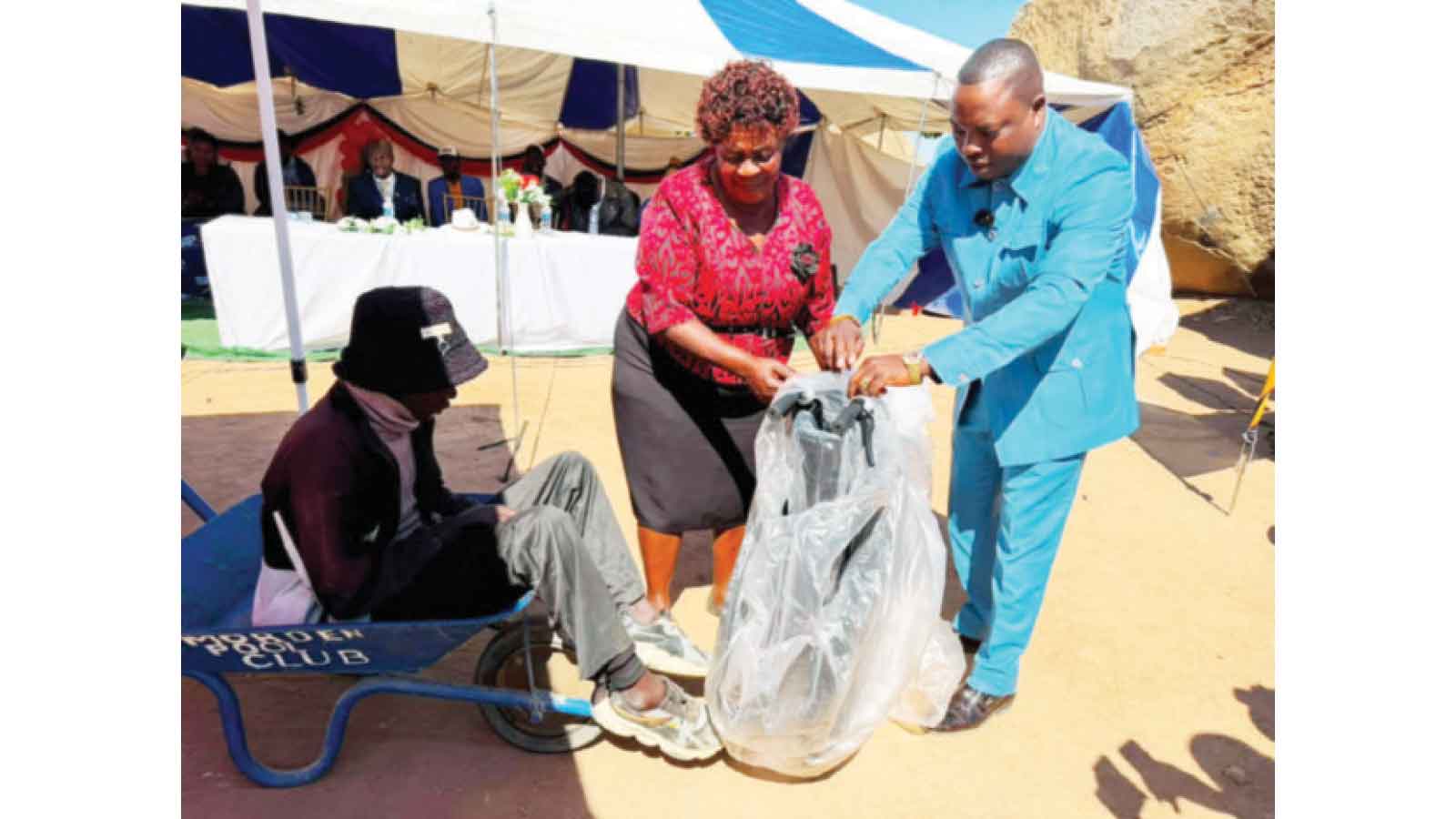
Takunda Gambiza
Herald Reporter
FOR Vongai Sibanda, each morning in the sprawling, dust-choked settlement of Epworth begins not with a plan, but with a prayer—and the weight of being a burden to family.
Born with paralysis of both legs, the disabled mother (45) survives on the frayed edges of the informal economy, piecing together a living from odd jobs in the community.
For years, even the most basic act of drawing water required her to rely entirely on her sister’s strength, a daily request that compounded the weight of poverty.
“For mobility, I needed my sister’s support. It was a burden for her,” Vongai recalls quietly, her words carrying the exhaustion of a lifetime spent on the margins.
In Zimbabwe, Vongai is not alone. An estimated 1.4 million people—roughly 9.5 percent of the population—navigate the world with some form of disability. While the country’s constitutional provisions, the Persons with Disabilities Act, and the National Disability Policy lay out a robust framework against discrimination and for equality — the gap between legislative ambition and ground-level reality remains vast, particularly in destitute peri-urban settlements like Epworth.
But recently, a fresh chapter was written in this community’s story. In a gesture that fused philanthropy with profound personal history, Dr Justice Mhishi commissioned a new borehole at the Yamuranai Centre for Persons with Disabilities and donated a fleet of wheelchairs and sewing machines. The initiative, he said, was not merely about infrastructure—it was about restoring the human dignity that poverty so often erodes.
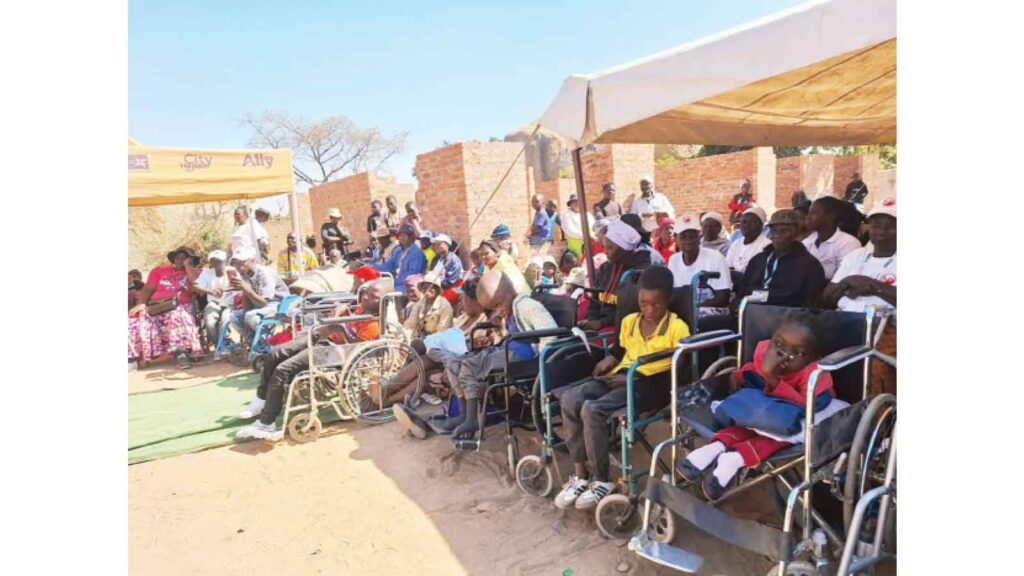
“We are not only commissioning a borehole,” Dr Mhishi said at the handover ceremony, his voice resonating with conviction.
“We are bringing clean water, restoring dignity, creating opportunities, and giving hope. Clean water is life. A wheelchair gives freedom and independence. A sewing machine gives a family the opportunity to earn a living.”
The donated equipment is expected to serve as a triple lifeline, ending the agonizing daily trek for safe water, granting physical autonomy to those with mobility impairments, and sparking economic independence through vocational tailoring skills.
What makes the moment particularly poignant is Dr Mhishi’s own journey. Decades ago, he walked the same parched streets of Epworth, not as a benefactor, but as a security guard earning a meagre wage. Returning to his old stomping grounds as a philanthropist marked a deeply personal milestone.
“I am back to give back to my family, my brothers and sisters—to say thank you,” he said, visibly moved.
“The journey was not easy, but today marks a new chapter.”
He anchored the gesture within the broader national ethos, citing President Mnangagwa’s Vision 2030 development philosophy which vows to leave “no one and no place behind.”
He also paid tribute to First Lady Dr Auxillia Mnangagwa, lauding her unwavering compassion for vulnerable communities as a beacon that inspires other citizens to step forward.
For the residents of Epworth, the donation felt like a long-overdue reckoning. The community has borne the brunt of socio-economic hardships.
“Many people here have been involved in accidents that changed their fortunes overnight,” said Central Committee member for Epworth, Johanna Mawire.
“We are often undermined and forgotten, but this initiative has genuinely lifted our spirits. Today, we feel seen.”
Juliette Banda, the founder of the Yamuranai Association for Persons with Disabilities, described the intervention as nothing short of life-changing. While expressing profound gratitude for Dr Mhishi’s vision, she issued a heartfelt clarion call to other well-wishers.
“What Dr Mhishi has done for us is remarkable. But we need more hands on deck,” Banda said. “This borehole is not just for our association—it is for the entire Epworth community. Water knows no boundaries, and neither should our hope.”
As the first streams of clean water gushed from the new borehole and the rhythmic hum of sewing machines filled the Yamuranai Centre, it became clear that Epworth had received far more than steel pipes and fabric. In a community where survival often comes at the cost of dignity, this was a lifeline—a tangible promise that even those left at the back of the queue could finally step forward into the light.


