

 Online Reporter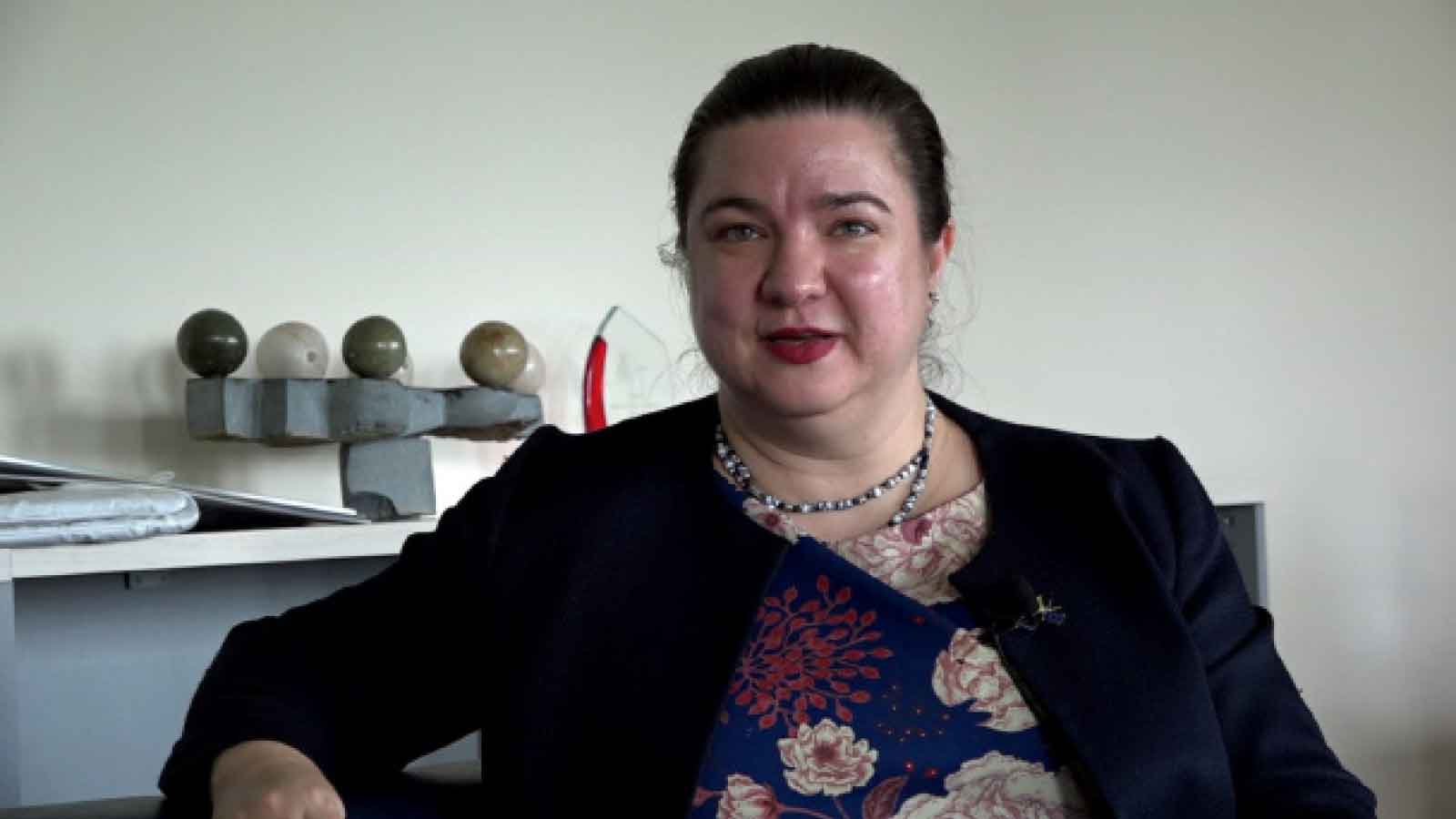
Gibson Nyikadzino-Zimpapers Politics Hub
RELATIONS between Zimbabwe and the European Union are taking a new trajectory, one anchored on cooperation more than adversity. After years of diplomatic challenges, the two partners now have a platform for dialogue, presenting a new outlook for an anticipated positive trajectory. Zimpapers Politics Hub’s Gibson Nyikadzino (GN), in an interview with new EU Head of Delegation to Zimbabwe, Ambassador Katrin Hagemann (KH), discussed the potential outlook on the duo’s relationship, areas of convergence and ways to address potential challenges. Below are the excerpts:
GN: How do you describe the current state of Zimbabwe-EU relations?
KH: As a new incoming ambassador, I have a mandate to strengthen the relations between the EU and Zimbabwe. We have been long-standing partners going back to independence and we want to be seen as a reliable and predictable partner for Zimbabwe. I think there are areas where we have seen great improvements in the last few years. We have a growing trade relationship with an economic partnership agreement, where we have a growing number of exports. I understand in 2024, it was US$900 million in trade between the two and we want to see that grow. We also have good relations in terms of a dialogue set up and we would like to see that dialogue improve with the government.
GN: What do you anticipate from this dialogue? How is it likely to help the two nations to understand each other?
KH: We have a formal partnership dialogue, but we would also like to see, in addition to structural dialogues in different sectors, a better understanding of each other and to build deeper trust between the two.
GN: You are highlighting trade and other areas of convergence. What sort of investment enquiries are you receiving from EU companies in Zimbabwe and vice versa?
KH: For Europeans in Zimbabwe, we are seeing a growing interest. We had a business forum last year before my time; there were more than 60 companies from Europe here interested and keen to invest. Those are often in areas such as agriculture, horticulture, agri-businesses, but also mining and renewable energy are sectors that are of particular interest to European companies. In the other direction, we are also supporting an increase in the export of Zimbabwean firms to the European market. The economic partnership agreement gives Zimbabweans access to all EU27 countries, with quota-free, duty-free access. There may be some health and safety standards, but other than that, it is really an open market to our companies and we are supporting some of the agricultural businesses to make it to that market by getting support all the way through the value chain. We would like to see much more and we are happy to advise and help any companies that would like to invest in the Zimbabwean market.
GN: The EU’s arms embargo against Zimbabwe, established in 2004, is due for review on February 20. Given the recent developments, what conditions would likely prompt the Union to change its common position?
KH: As you rightly pointed out, there have been restrictive measures on Zimbabwe from the EU side dating back quite a long time, but this is only related to an arms embargo of European companies exporting to Zimbabwe. And this is a decision that has to be renewed every year and it has to be renewed by unanimity. So that is coming up, the European Council is debating that and at this point, I cannot predict what this will be, but it’s a member state decision based on unanimity. But there are no longer any restrictive measures on any individuals, businesses, or Zimbabwean entities. So, in a sense, it is a restriction on our industry. It hurts us more than anybody else, and from the Zimbabwean side, there are no restrictions.
GN: It means there is a lot of improvement in Zimbabwean-EU relations in this regard. But how is this improving or enhancing your partnership with Zimbabwe?
KH: Indeed, there has been a lot of it. I think slowly over time many of the people that were under restrictive measures have been taken off for various reasons. So, things improved in that sense, and therefore at this point there are no longer any individuals or entities on this list and I think that really helped in order to improve the relationships between the EU and Zimbabwe.
GN: The EU has funded a significant number of projects in Zimbabwe including horticulture and climate sustainability. How have these initiatives helped advance people-to-people cooperation and open avenues in terms of technology and skills transfer to local communities in Zimbabwe?
KH: There are a lot of projects over time that we have been involved in and as I said, I am still at the beginning to also go and see some of these projects so I am very much looking forward to that. Currently we are working a lot, one of the areas we are focusing on is resilience building and we have the biggest fund in terms of resilience building in Zimbabwe and that particularly is looking at the most vulnerable communities. This is often in very remote communities as well, where we are supporting more climate smart agriculture. That is where we are getting to people-to-people cooperation, maybe locally for the individuals to come together and have some sort of communal approach to some of the questions like getting loans for certain machinery, but also to represent themselves towards the buyers and the businesses.
GN: What would you say to an ordinary Zimbabwean, or European who for a long time has been hearing more of an acrimonious relationship between the EU and Zimbabwe? What would you like to see?
KH: I would like to see this relationship to be deepened and have more trust in both directions. That is where the dialogue also comes in, the more we talk I think the more we can build up trust. And as always also in personal relationships if you have trust among friends, you can also tell each other. I think it is very clear where we stand and everybody knows that and I think in the times that we have that is also a value in itself to continue to stand for who we are. I think we have a lot of common values and those we can build on and I think we go out and talk to the people. And so, the government’s wish to be open for business and create more growth for the country, which will benefit everybody, is also something we are interested in because good governance is something that we stand for. I look forward to really improving these relations and having a trustful relationship with all Zimbabweans.



