Trade Focus-Allan Majuru
Zimbabwe’s export drive is likely to end the year on a high note, helping the country surpass its annual target and create a firmer platform for expanding trade across Africa.
LATEST figures from the Zimbabwe National Statistics Agency (ZimStat) show that merchandise exports increased by 60,7 percent to US$9,04 billion between January and August, from US$5,63 billion during the same period last year.
This performance is consistent with President Mnangagwa’s emphasis on economic diplomacy, industrialisation and value addition, which places productive capacity and access to markets at the centre of Zimbabwe’s development agenda.
During the period under review, imports increased by 32,4 percent to US$8,45 billion.
With exports growing faster, Zimbabwe recorded a trade surplus of US$591,5 million, reversing the US$758 million deficit registered during the comparable period in 2025.
What is encouraging is the continued growth of value-added exports, which rose by 67,9 percent to US$593,4 million, up from US$353,5 million. August alone generated US$1,68 billion in exports, up by 91 percent on the same month last year.
The monthly result strengthens the cumulative position and provides a stronger base for the final months of the year.
The import structure also provides useful context.
Machinery, parts and equipment imports rose by 48 percent to US$1,43 billion, while electrical, information technology and renewable energy equipment increased by 63,7 percent to US$562 million. Such investment can strengthen future production when it improves output, efficiency and the ability of local firms to fulfil export orders.
For this investment to support sustained export growth, market development must keep pace with improvements in production.
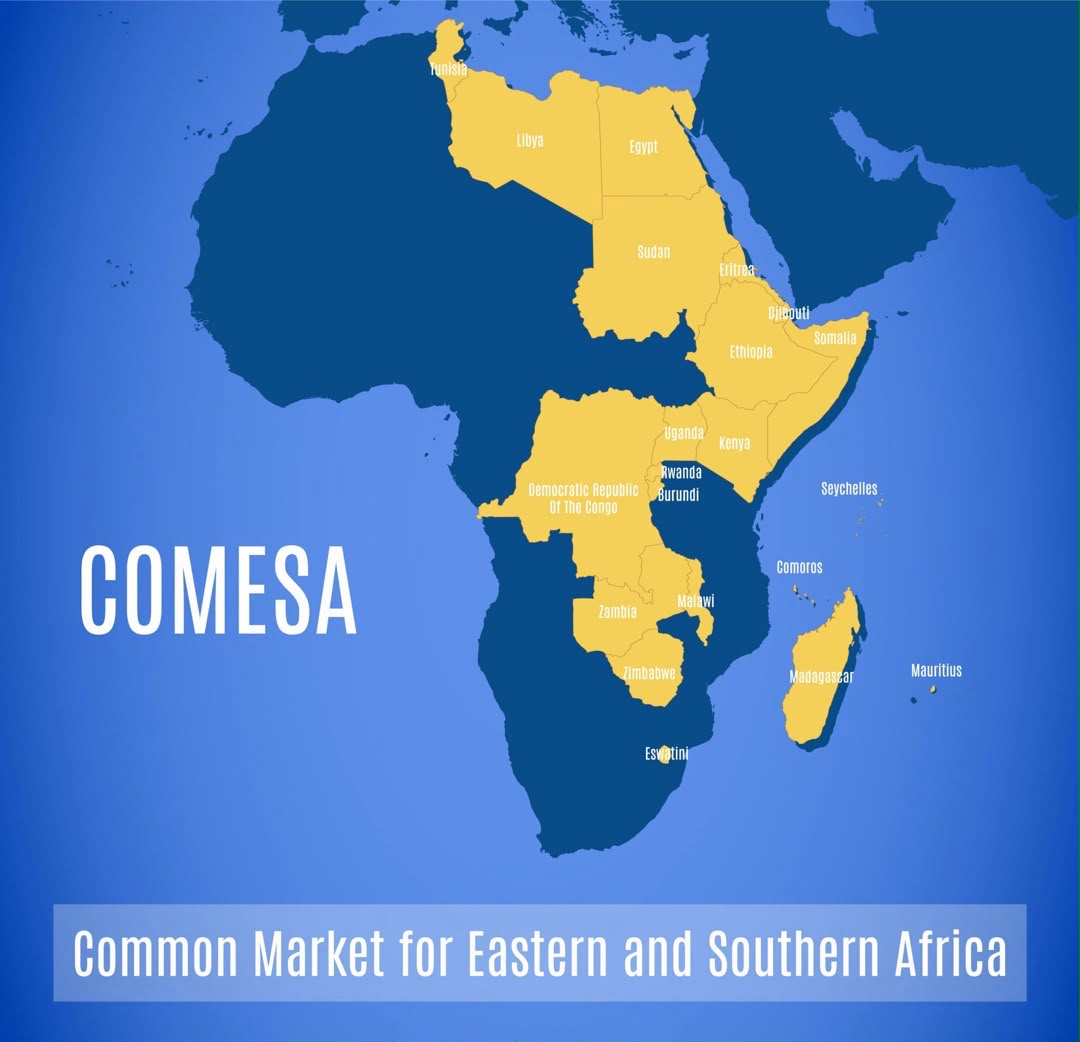
The Common Market for Eastern and Southern Africa (COMESA), with its 21 member states, offers a wider regional market for Zimbabwean firms seeking buyers for their growing output. For example, trade with Zambia already illustrates the potential for expanding sales within this market.
Zimbabwean exports to the country increased by 27,1 percent to US$118,6 million.
Building on these established relationships, while developing buyers and distribution partnerships in other member states, will broaden the contribution of African markets to Zimbabwe’s export earnings.
The effort to expand regional sales comes as Zimbabwe, under President Mnangagwa’s leadership, prepares to assume the COMESA chairmanship at this week’s summit.
The chairmanship provides an opportunity to help shape the bloc’s trade agenda around issues that directly affect exporters, including efficient transport corridors, predictable border processes and access to finance. Progress in these areas will support Zimbabwean businesses and strengthen trade among member states.
Local firms will have an immediate opportunity to pursue these regional markets through the 19th COMESA Business Forum and Multi-Sectoral International Exhibition at the Harare International Conference Centre from October 19 to 21.
The programme will bring together businesses, investors and policymakers ahead of the Heads of State and Government Summit on October 22.
For Zimbabwean producers, these engagements offer a chance to showcase their products, identify distribution partners and discuss supply arrangements with potential buyers. Establishing what customers require in terms of specifications, volumes and delivery schedules would help firms turn their production capabilities into regional orders. The engagements will also provide a channel for businesses to raise the constraints they encounter when serving these markets.
Recommendations from the forum will be consolidated into a private sector communiqué for presentation to the Heads of State, connecting commercial concerns with regional policy discussions.
Zimbabwe’s chairmanship offers an opportunity to carry these priorities forward with other member states.
Addressing the barriers identified by businesses will strengthen the prospects for growing Zimbabwean exports into Africa, while helping regional producers to participate more effectively in cross-border trade and production.
Movers
Engineering products were among the strongest performers, with exports increasing by 118,6 percent to US$178,2 million.
Hot-rolled iron and steel bars generated US$55,4 million, where there were no comparable exports last year, while for forged bars, the figure rose by 312,5 percent to US$52,2 million. The growth points to an expanding industrial base capable of supplying regional construction, mining and manufacturing value chains.
Further processing and reliable distribution would help turn this production capacity into sustained market penetration.
The next gains should also involve local businesses supplying components, fabrication services and industrial maintenance.
Building these relationships around expanding steel production would spread opportunities across firms and support the capabilities needed to compete in regional manufacturing markets.
Chemicals also recorded exceptional growth, rising from US$6 million to US$158,5 million. Sulphates and alums contributed US$147,8 million, accounting for most of the increase. This concentration makes shipment continuity important.
Expanding the range of chemical products would strengthen the sector’s contribution and reduce dependence on a single product category. Manufactured tobacco exports increased by 25,8 percent to US$100,1 million. Growth in other manufactured tobacco products offset a decline in cigars and cigarettes, demonstrating the opportunities available through further processing of agricultural commodities.
Horticulture exports grew by 8,5 percent to US$46,2 million, driven mainly by high-value fresh fruit. The category including blueberries increased by 79,4 percent to US$12,5 million, although tea and citrus recorded modest declines.
The performance shows the importance of maintaining quality, cold-chain capacity and consistent supply to buyers. These requirements also create opportunities for farmers, packhouses and logistics providers to participate in export value chains.
Cotton exports rose by 33,5 percent to US$7,2 million, while pharmaceuticals increased by 51 percent to US$4,6 million.
Clothing, textiles and footwear grew by 7,3 percent to US$12,6 million, and arts and crafts increased by 2,4 percent to US$9,1 million.
Although these sectors contribute relatively small amounts, their expansion matters for diversification and wider participation in trade. Minerals and alloys remained the dominant export sector, increasing by 64,9 percent to US$7,61 billion and accounting for 84,2 percent of total earnings.
Gold rose to US$4,08 billion, nickel mattes reached US$1,25 billion and other mineral substances exceeded US$1 billion. The earnings support the national trade position, but concentration in a narrow range of minerals exposes performance to commodity prices and shipment movements. Greater beneficiation and stronger links with domestic suppliers remain essential for retaining value.
Unmanufactured tobacco exports increased by 30,5 percent to US$773 million.
The sector remained the second-largest export earner, reinforcing the importance of building processing capacity around established agricultural strengths.
Shakers
Despite the overall gains, several sectors recorded declines, highlighting areas requiring renewed attention.
Hides, leather and leather products declined by 51,6 percent to US$9,5 million, largely because of weaker raw hide exports.
However, further-prepared leather increased by 102,8 percent to US$2 million, showing that processing opportunities remain even within a contracting sector.
Building and construction exports fell by 16,9 percent to US$25,1 million.
Worked building stone increased, but ceramic tiles declined.
This mixed performance underlines the need to examine individual product lines when designing export support.
Household electricals and furniture decreased by 22,1 percent to US$9,7 million, and livestock products fell by 31,9 percent to US$3,2 million. Recovery in these sectors will broaden Zimbabwe’s export base and strengthen industries with important domestic production linkages.
Destination markets
The United Arab Emirates remained Zimbabwe’s largest export destination, absorbing US$4,11 billion, which is a 49 percent increase.
South Africa followed at US$2,01 billion, up by 48,2 percent, while exports to China increased by 191,5 percent to US$1,98 billion.
Together, these three markets accounted for almost 90 percent of exports.
Maintaining these relationships is important, but widening the geographic spread would reduce exposure to changes affecting individual destinations.
Within Africa, exports to Zambia increased by 27,1 percent to US$118,6 million, while those to Botswana grew by 59,6 percent to US$40,6 million.
Further afield, exports to Indonesia and Vietnam recorded growth of 39,8 percent and 68,3 percent, respectively.
These gains provide additional openings for Zimbabwean products beyond the leading destinations.
Allan Majuru is the chief executive officer of ZimTrade.