Sikhumbuzo Moyo, [email protected]
THE Bulawayo Fire and Ambulance Services Department responded to nearly 15 000 emergencies between January and September 30, including 596 road traffic accidents and 694 fire incidents, highlighting the growing demand for emergency services in the city.
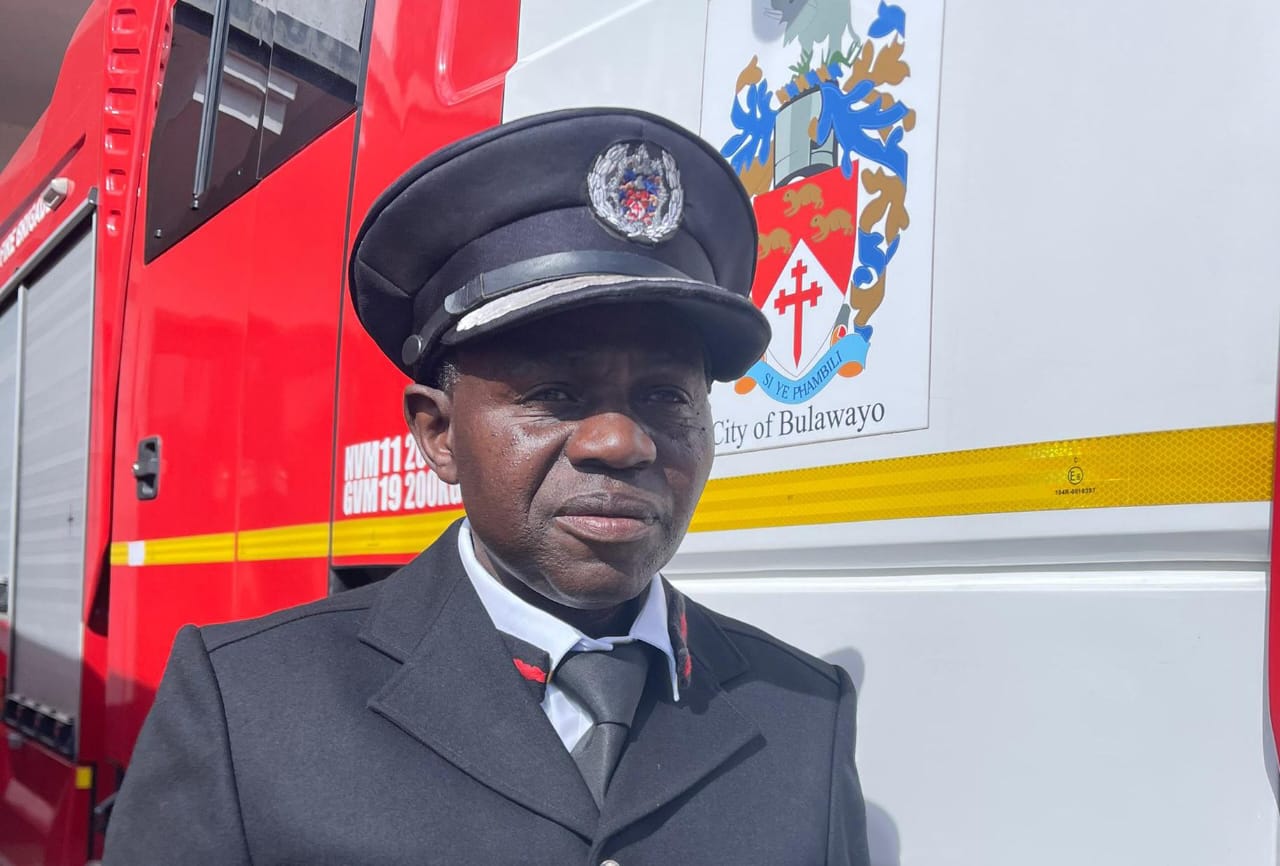
Bulawayo chief fire officer Mr Mhlangano Moyo said the department handled a wide range of emergencies during the nine-month period, including accidents, fires, maternity cases, patient transfers and incidents involving vulnerable members of the community.
He said the brigade attended to 7 236 critical incidents in the city, while also responding to 1 551 false alarms with good intent (FAWGI) and 231 false alarms with malicious intent (FAMI).
The department’s operations cover both the western and eastern residential areas, with the western suburbs accounting for a higher number of reported emergencies during the period under review.
Mr Moyo said 311 road traffic accidents were recorded in the western residential areas, compared to 285 in the eastern suburbs.
The western areas accounted for 5 061 critical incidents, while 2 175 were recorded in the eastern areas. Maternity-related emergencies constituted a significant part of the department’s workload, with crews responding to calls from health facilities, as well as expectant mothers requiring assistance outside clinics.
“We had 1 764 and 591 calls from maternity clinics from the western and eastern residential areas respectively, while a total of 1 297 calls for maternity outside clinics were received from the western areas, with 315 coming from the eastern areas,” said Mr Moyo.
He said the brigade also conducted 928 clinical transfers of patients during the period, as part of its responsibility to support the city’s healthcare system through the transportation of patients between medical facilities.
The fire incidents attended to included household property fires, veld fires, as well as commercial and industrial fires. He said two gas explosions were recorded in Cowdray Park and Nkulumane, underscoring the range of incidents requiring the intervention of emergency crews.
Mr Moyo said false alarms with good intent occurred in different circumstances and did not always involve deliberate attempts to mislead emergency responders.
In some cases, crews responded to distress calls only to find that the person requiring assistance had already died before their arrival. In other instances, callers were unable to provide clear directions to an emergency scene and instead directed crews to identifiable public structures.
Upon arrival, the teams sometimes discovered that the patient had already been picked up by another ambulance, resulting in the deployment of resources that could have been directed elsewhere.
On road traffic accidents, Mr Moyo said the brigade transported about 30 injured people to hospital almost every day.
He attributed the accidents to several factors, including human error and inadequate or non-existent road signs, which can make navigating some roads difficult for motorists.
The department also attended to 131 incidents involving people with no fixed abode and received 171 calls from old people’s homes within the city.
Mr Moyo said the figures reflected the department’s broad responsibilities, which extend beyond firefighting to include emergency medical assistance and support for people in vulnerable circumstances.
He, however, expressed concern over the continued abuse of emergency services through false calls, warning that such conduct could have serious consequences when genuine emergencies occur.
He said emergency crews had to respond to reported incidents even when the information provided later proved to be false, potentially diverting personnel and equipment from people who urgently needed assistance.
“As a department we’re extremely concerned by people who continue to make false calls to the brigade, resulting in us wasting scarce resources on a wild goose chase.
“We’re appealing to our people to desist from such practices because a precious life could be lost during the time we’re attending to the false alarm,” said Mr Moyo.
He urged residents to use emergency services responsibly and provide accurate information when reporting incidents to enable crews to locate emergencies quickly and respond appropriately.