Online Reporter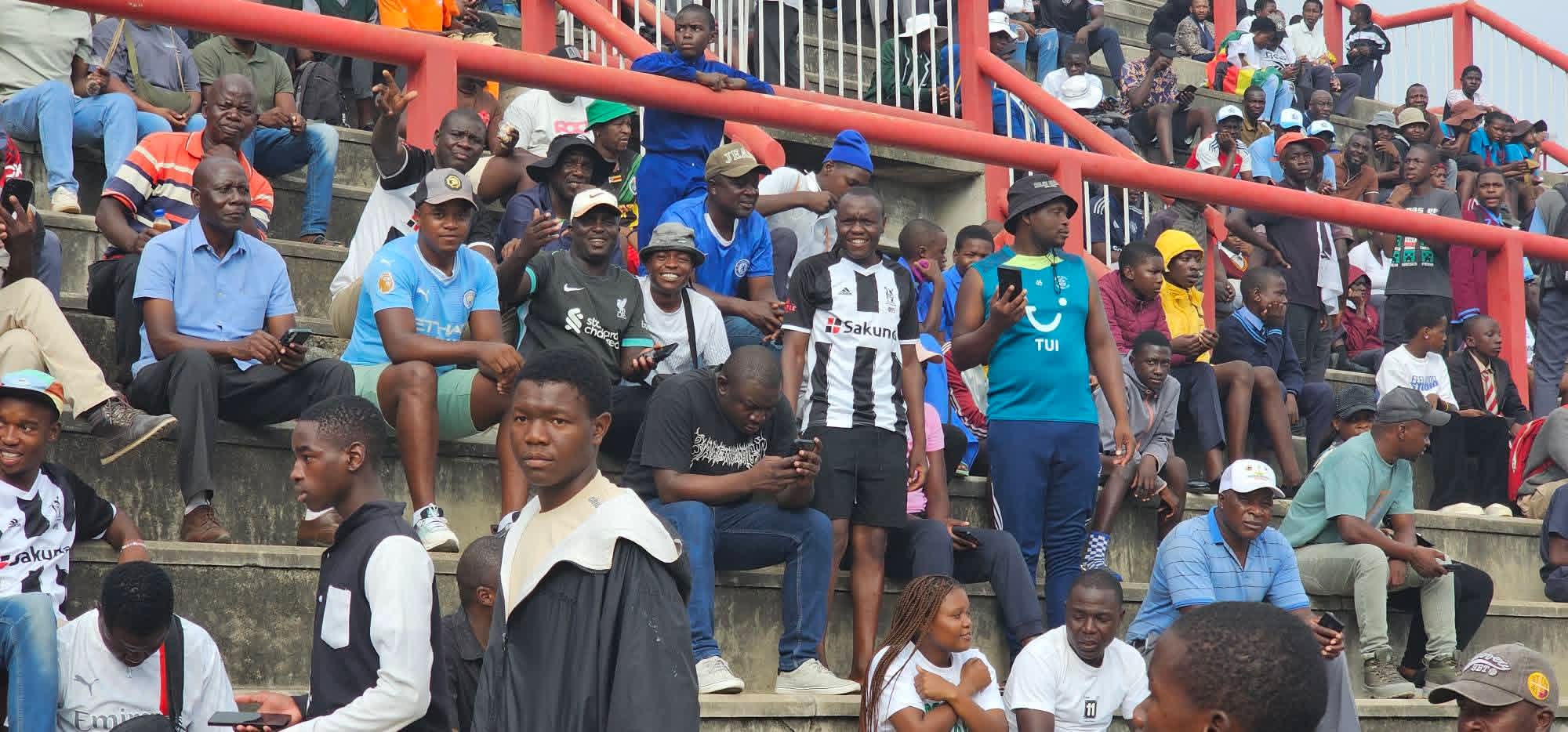
Online Reporter
On Wednesday, the heartbeat of Bulawayo echoed loudly from Barbourfields Stadium, where football lovers gathered for a thrilling friendly match between the Zimbabwe Warriors and Highlanders Football Club. But beyond the passes, tackles, and chants of “Bosso!”, another powerful narrative unfolded—one of unity, hope, and national engagement centered on the proposed Amendment Bill No. 3.
What is often just a football match transformed into a vibrant public forum, where the terraces became a melting pot of ideas. Fans were not only analyzing the game but also passionately exchanging views about the Bill, reflecting a city deeply connected to both its social life and national progress.
“I came here for football, of course,” said Nigel Shamu, draped in Highlanders colors, standing among a group of jubilant supporters. “But what is interesting is that every conversation somehow leads to Amendment Bill No. 3. We are hanging out as friends, enjoying the game, but at the same time discussing something that affects all of us. It shows how important it is.”
The scene captured the true spirit of Bulawayo—where football is culture, and culture is conversation. Supporters shared drinks, laughter, and opinions, seamlessly blending sport with civic awareness. For many Bosso fans, this was more than entertainment; it was participation in shaping the future.
Another supporter, Boss Cero, could not hide his excitement. “This is a brilliant initiative. As fans, we fully support Amendment Bill No. 3. It’s refreshing to see people this engaged. Today, football has brought us together, but the Bill is what’s keeping the conversations alive.”
The discussion extended beyond Zimbabwe’s borders. Mthokozisa Tshabangu highlighted a regional perspective, pointing to developments in South Africa. “We were talking as friends, and Nqobile Mlilo mentioned that some of the proposals are already happening in Mzansi. That made us ask—why did it take us so long? But the important thing is that we are here now, and people are embracing it. Personally, I think it’s a great move.”
Throughout the stadium, the energy was unmistakable. The chants, the vuvuzelas, the laughter—all carried an undertone of optimism. It was a reminder that in Zimbabwe, football grounds are not just arenas of sport, but spaces where society reflects, debates, and evolves.
As the match came to an end, one could sense that something bigger had taken place. The excitement around Amendment Bill No. 3 had found a natural home among the people—among friends, among fans, and within the pulse of everyday life.
In Bulawayo, where Bosso pride runs deep, the terraces once again proved their power—not just as a stage for football passion, but as a voice of the people.