Online Reporter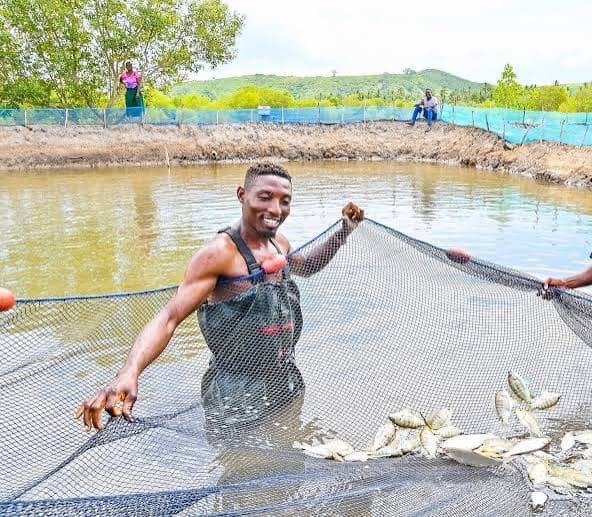
Theseus Mauruki Shambare
Herald Reporter
FISH farmers have been urged to reduce stocking densities and secure adequate water supplies as Zimbabwe prepares for an El Niño-induced dry season expected to put pressure on fish production.
The fish stocking season is already underway, with some farmers in the country’s warmer areas having started stocking their ponds as hatcheries prepare to increase fingerling production ahead of anticipated demand.
Fisheries and Livestock Production Director Mr Milton Makumbe said farmers needed to adjust their production practices early to minimise the effects of water shortages during the coming season.
Mr Makumbe made the remarks during a tour of FinFish’s fish-feed warehouse in Harare, where he assessed preparations to support fish farmers as the new production season gets underway.
He said farmers should align their stocking levels with the amount of water available to them, particularly as prolonged dry conditions could put pressure on pond water levels.
“We know it is an El Niño season, but we are also encouraging our farmers to try and limit or lower the stocking densities, ensure that they have adequate water,” he said.
Lower stocking densities allow farmers to manage available water more effectively while reducing competition among fish for oxygen and other resources as temperatures rise.
Mr Makumbe said farmers could also reduce the period fish spend in ponds by adopting efficient production practices.
“At the same time, when they use quality feed, it will ensure that the growing period of the fish becomes shorter such that they are not going to have any challenges about water,” he said.
FinFish director Mr Tinashe Chihota said farmers should plan their production according to the resources available to them as they enter the new season.
“As farmers prepare for the season, the key is to plan production around the resources available to them, particularly water, so that they can maintain healthy fish and avoid unnecessary losses during the dry period,” said Mr Chihota.
The preparations come as the Government continues to promote fish farming as an alternative source of food and income for households, particularly in rural communities.
Mr Makumbe said some farmers in warmer parts of the country had already started stocking their ponds, while hatcheries were also increasing fingerling production.
“We have also been tracking the number of fingerlings that were actually being produced at hatcheries, and we see that some of our hatcheries have also already started churning out some fingerlings, with some hatcheries actually reporting up to 10 000 fingerlings per day,” he said.
The increased hatchery activity is expected to support farmers as stocking gathers pace and the Government prepares to roll out the Presidential Community Fisheries Scheme this month.
The scheme is part of efforts to expand participation in aquaculture and increase fish production at community and household level.
Zimbabwe’s fish farmers are, however, entering the new production cycle at a time when water availability is expected to be a major consideration because of the forecast dry conditions.
Mr Makumbe said farmers should therefore take a precautionary approach to stocking and ensure they have sufficient water before increasing production.
He said fish farming remained viable during challenging climatic conditions provided farmers adapted their production systems to the resources available to them.
The measures are expected to help farmers sustain production during the dry season while protecting fish stocks from losses associated with inadequate water supplies.