Online Reporter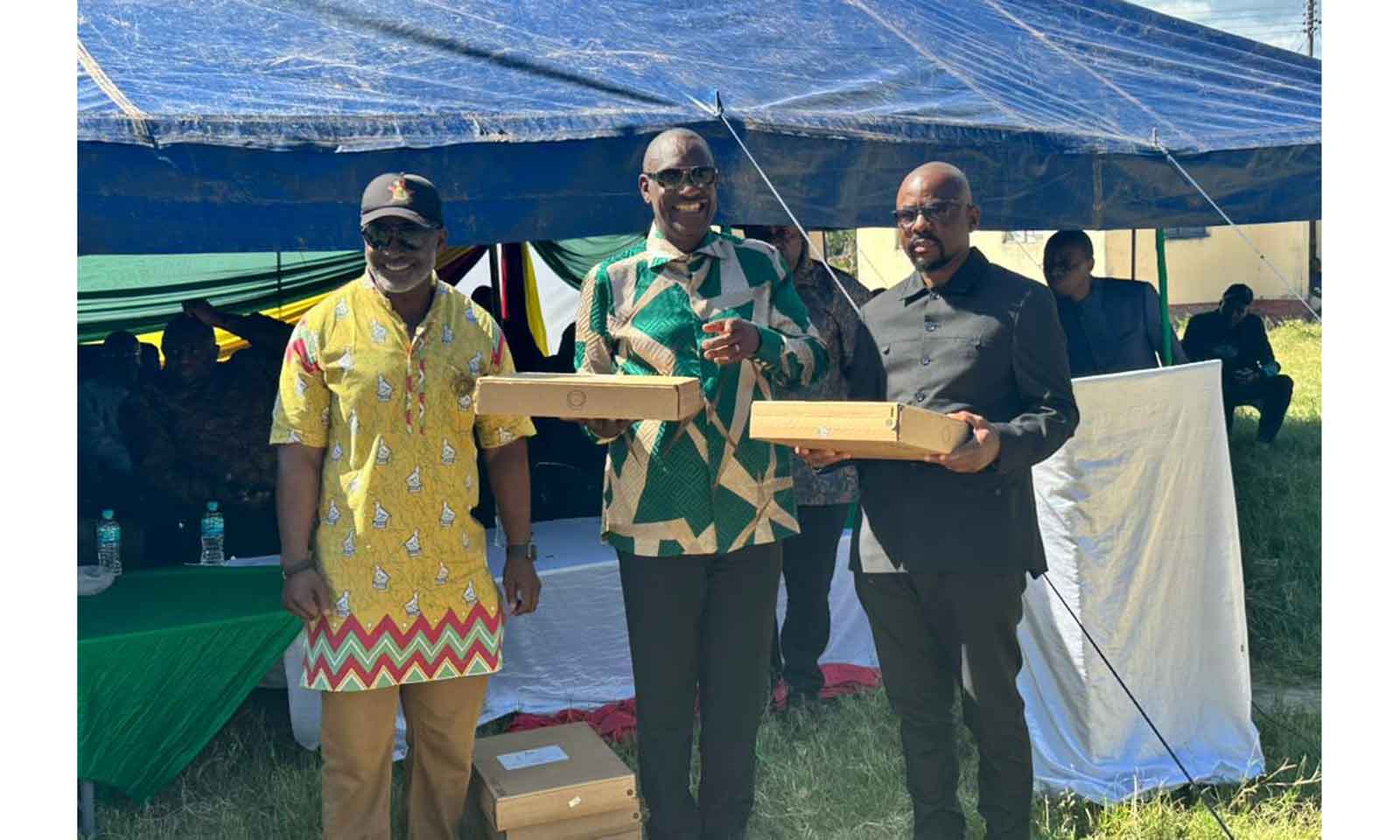
Peter Tanyanyiwa-Herald Correspondent
MIDLANDS Provincial Affairs and Devolution Minister Owen Ncube has commended the Temba Peter Mliswa Foundation for spearheading rural electrification and internet connectivity projects, describing the initiative as a practical demonstration of inclusive development in line with Vision 2030.
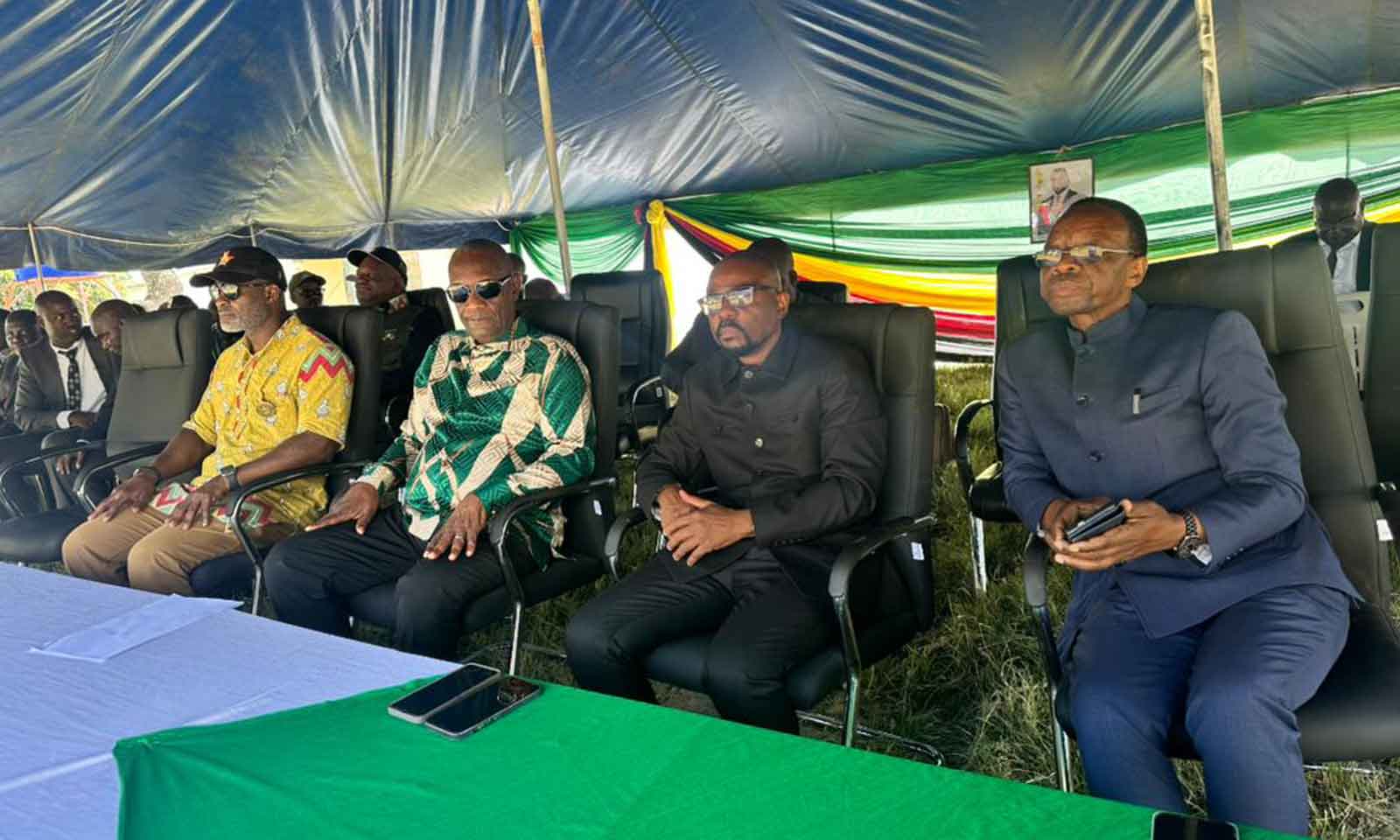
Speaking at the commissioning of solar power and Starlink internet installations at Jongwe Primary School last Friday, Minister Ncube said the programme dovetailed with Government’s thrust to modernise rural institutions and bridge the digital divide.

Minister Ncube
“This initiative by the TPM Foundation is a clear testament that development must be people-centred and inclusive. The provision of solar energy and internet connectivity to schools and clinics is in sync with the Second Republic’s policy of leaving no one and no place behind,” he said.
He said the project resonated with National Development Strategy (NDS2), particularly under the Science, Technology, Innovation and Human Capital Development pillar, which prioritises expansion of ICT infrastructure and digital literacy.
Minister Ncube said the intervention complements the work of the Ministry of Information Communication Technology, Postal and Courier Services, which is mandated to drive digital transformation, expand broadband access and promote the uptake of information communication technologies across the country.
“As Government, through the Ministry of ICT, Postal and Courier Services, we are accelerating digitalisation in all sectors. Partnerships such as these are critical in ensuring that rural communities are not left behind in the digital economy,” he said.
The programme, initiated by former Norton legislator and village head Temba Mliswa, saw the installation of solar systems, high-speed internet and digital equipment at Jongwe Primary School and Gamwa Clinic, with plans to extend the initiative to more institutions across Shurugwi District.
In an interview, Mliswa said the foundation was guided by the need to empower rural communities through access to modern technology.
Minister Ncube said the intervention complements the work of the Ministry of Information Communication Technology, Postal and Courier Services, which is mandated to drive digital transformation, expand broadband access and promote the uptake of information communication technologies across the country.
“We are implementing the national vision that no one and no place must be left behind. Rural communities have the potential, but they require the right infrastructure. By bringing solar power and internet connectivity, we are unlocking opportunities for education, healthcare and economic growth,” he said.
He emphasised that the initiative targets schools as centres of transformation.
“If we invest in our children through digital access, we are shaping a generation that will drive Zimbabwe’s future. E-learning is no longer optional — it is a necessity,” he said.
Shurugwi South legislator Wilson Mhuri also hailed the initiative, saying it complements Government efforts towards rural industrialisation and improved service delivery.
“The TPM Foundation has demonstrated that community-driven initiatives can significantly enhance Government programmes. This project will improve the quality of education and healthcare in our constituency,” said Mhuri.
The installations are expected to revolutionise teaching and learning at Jongwe Primary School by enabling access to e-learning platforms, while solar electrification at Gamwa Clinic is set to improve healthcare service delivery, including digital health systems.
The initiative is part of a broader rollout targeting more than a dozen schools and institutions in Shurugwi, as the foundation moves to scale up its rural development programmes.
Stakeholders who attended the event, including traditional leaders, Government officials and community members, hailed the project as a milestone in narrowing the rural-urban development gap.
The development comes as Zimbabwe intensifies efforts to achieve an upper middle-income economy by 2030, with digital transformation and rural modernisation identified as key enablers.