Online Reporter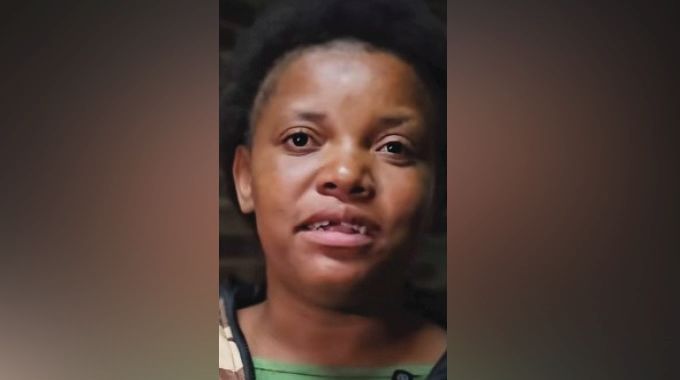
Peter Matika, [email protected]
A FORMER prison inmate has been given a new lease of life following her release under a Government amnesty programme, successfully reintegrating into society through the application of vocational skills acquired during her time in prison.
In March this year, more than 4 000 inmates were released under the Presidential Amnesty designed to ease severe overcrowding in correctional facilities across the country.
The amnesty targeted rehabilitated individuals and vulnerable populations, excluding those convicted of major crimes such as murder, sexual offences and certain public order offences.
The amnesty was intended for inmates who had shown significant progress in rehabilitation, including skills training in areas such as agriculture and crafts.
The young woman, who benefitted from rehabilitation and training initiatives while in custody, is now productively engaged in income generating activities, reflecting the growing impact of correctional reforms aimed at transforming offenders into responsible and self reliant citizens.
Ms Charmaine Ngulube (26) from Bulawayo, who was formerly incarcerated for theft and was sentenced to 10 months in prison but served seven months before being granted amnesty, is quietly rewriting her life story — one rooted in resilience, discipline and the transformative power of second chances.
Once an inmate, Ms Ngulube is now a reformed and industrious young woman whose journey speaks to the growing success of Zimbabwe’s prison reform and amnesty programmes, which are increasingly equipping offenders with skills for meaningful reintegration into society.
Her path, though marked by a difficult past, has blossomed into a compelling story of hope.
During her incarceration, Ms Ngulube made a conscious decision to embrace rehabilitation programmes offered within Mlondolozi Prison, housed at the Khami Prison Complex.
At a time when the country’s prisons have intensified focus on vocational training and personal development, she seized the opportunity to acquire practical skills that would later define her livelihood.
Among the skills she acquired were gardening and sewing — disciplines that not only provided structure during her time in custody, but also laid the foundation for her life after release.
“I realised that I needed to change and prepare for a better future. The programmes in prison helped me to focus and to believe that I could still make something of my life. I am very apologetic to all I wronged, especially my grandmother,” she said.
Her dedication saw her develop a keen interest in horticulture, learning essential techniques in soil preparation, crop management and sustainable food production.
Ms Ngulube said what began as part of a routine prison programme has now become a passion. She mastered knitting and other practical crafts, gaining skills that she believes will soon become a modest source of income.
Following her release under a Government backed amnesty programme, Ms Ngulube returned to her community determined to apply what she had learnt.
While reintegration often presents significant challenges for former inmates, including social stigma and limited economic opportunities, she has remained resolute.
Starting with a small piece of land at the back of her home’s garden, Ms Ngulube says she seeks to establish a garden that will grow into a productive venture.
She said the vegetables she plans to cultivate will not only support her household but will also be sold within the community, providing a steady income.
Beyond gardening, Ms Ngulube has also put her sewing skills to use. Her transformation comes at a time when correctional authorities continue to emphasise rehabilitation as a key pillar of the justice system.
By providing inmates with vocational training and life skills, the system aims to reduce recidivism and promote self reliance among former offenders.
“I am truly grateful for the opportunity I was given. The amnesty allowed me to come back and start afresh. I want to live a life that is different from my past and contribute positively to society,” she said.
Her journey from incarceration to independence illustrates the potential for transformation when individuals are given both a second chance and the tools to rebuild their lives.
Under the amnesty, inmates convicted of violating the Maintenance of Peace and Order Act, as well as those who violated previous pardons, were excluded from the release.
The aim of the amnesty is part of ongoing efforts to alleviate prison congestion.
Zimbabwe periodically uses presidential amnesty to manage prison populations and ease pressure on limited resources.