

 Online Reporter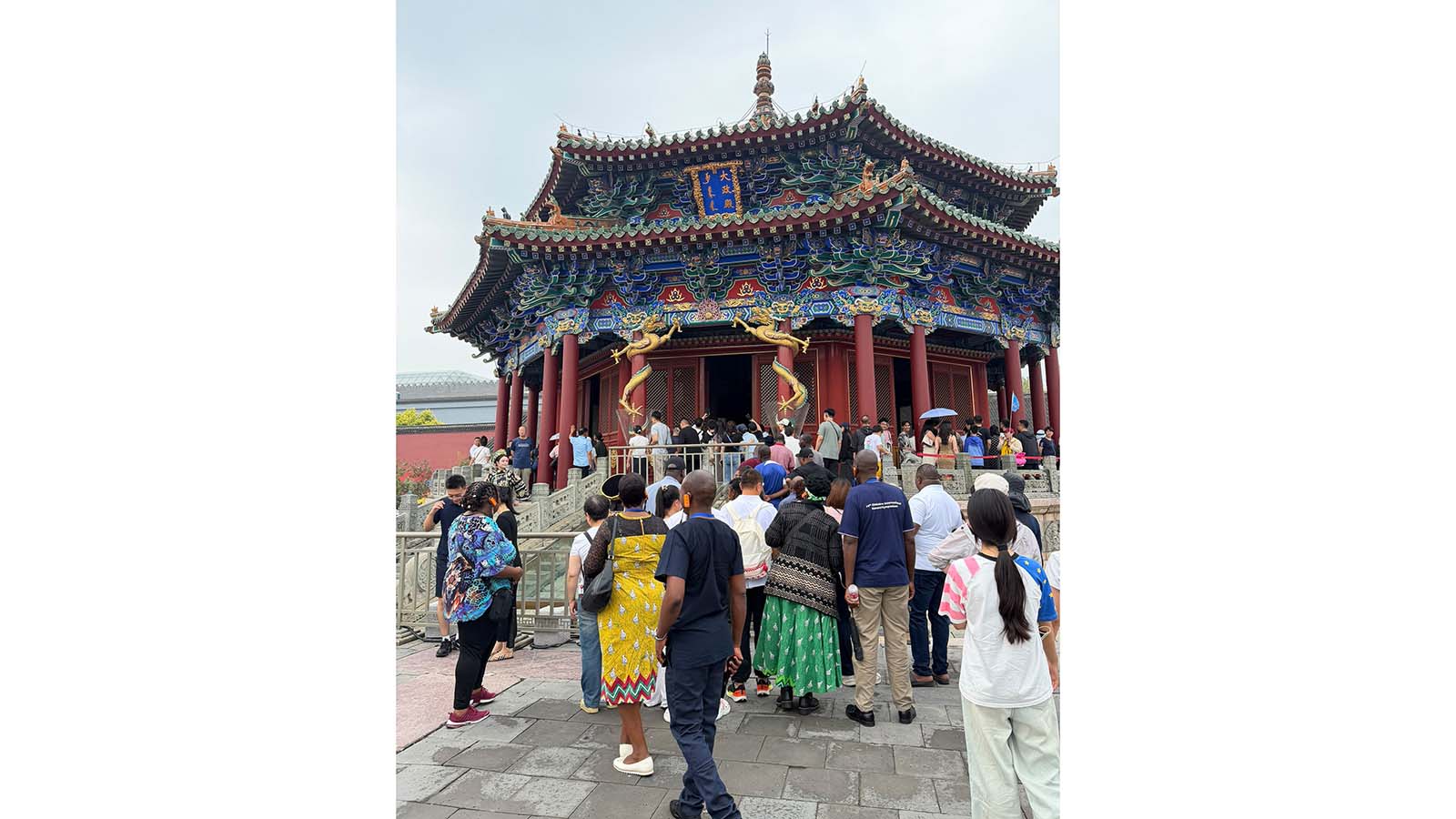
Fidelis Munyoro recently in BEIJING, China
The journey began as a professional mission. It ended as something much bigger.
For two weeks, a delegation of Zimbabwean security and judicial officers travelled across China during an intensive seminar on counter-terrorism, organised crime, cybercrime and emerging security threats.
But somewhere between the ancient walls of Shenyang, the sparkling coastline of Qingdao and the towering monuments of Beijing, the mission quietly transformed into a lesson about nation-building.
The delegation returned home carrying more than certificates. They returned with ideas. They returned with questions.
And above all, they returned convinced that Zimbabwe has every reason to believe in the possibilities that lie within its own borders.
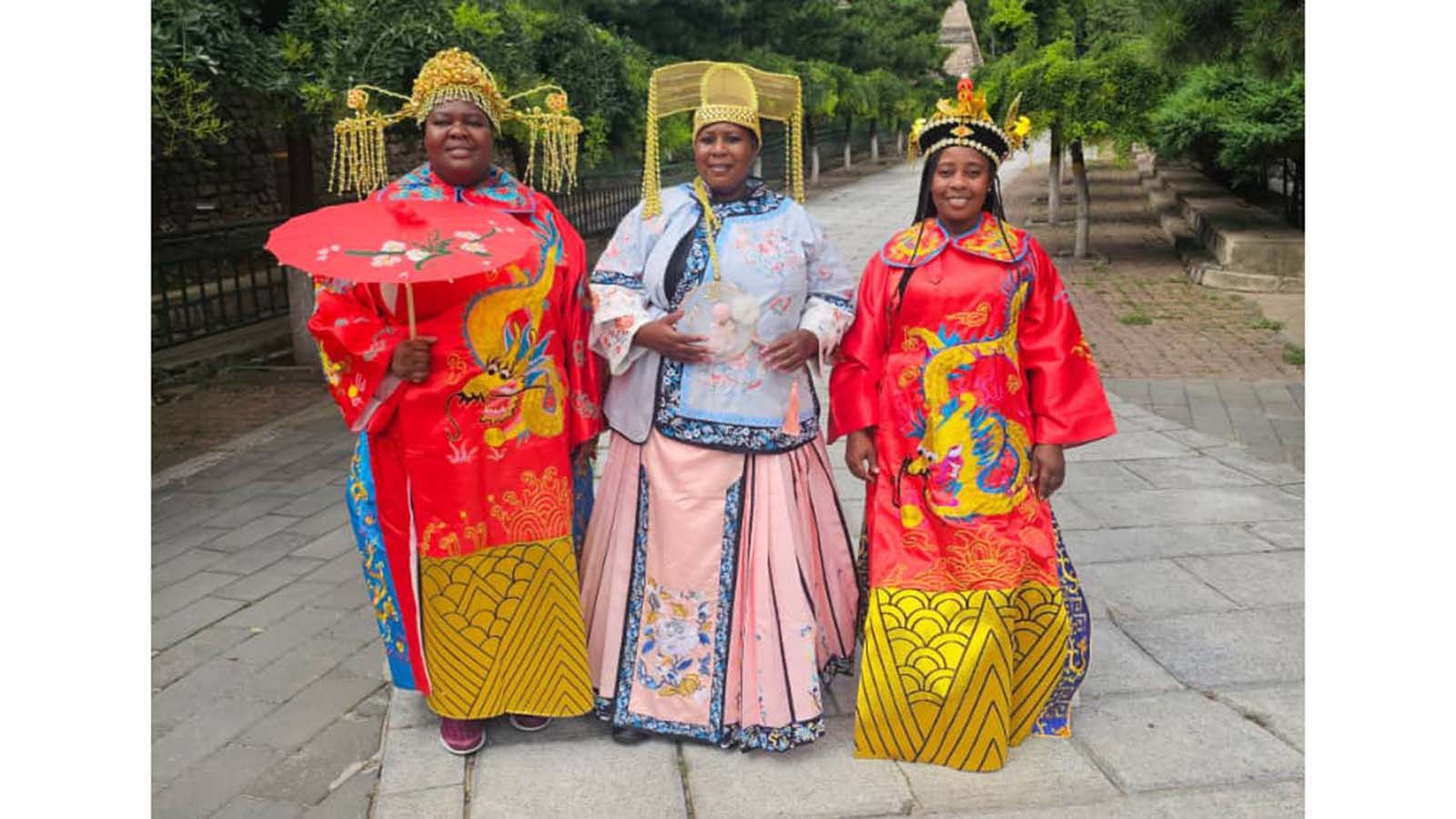
The delegation, drawn from various Government security departments and accompanied by a representative from the media, spent time based in Shenyang, Liaoning Province, where they attended a rigorous academic programme delivered by Chinese experts.
Yet it was outside the lecture rooms where another classroom emerged. China itself became the textbook.
Every city offered a lesson. Every road told a story. Every bridge, museum, railway line and tourist attraction demonstrated what deliberate planning, discipline and national pride can achieve.
“We came to China expecting to learn about security,” members of the delegation reflected.
“But we discovered something equally important. We learnt how a nation protects not only its borders, but also its history, its culture, its environment and its future. We saw how tourism, infrastructure and industry work together to build a strong country.”
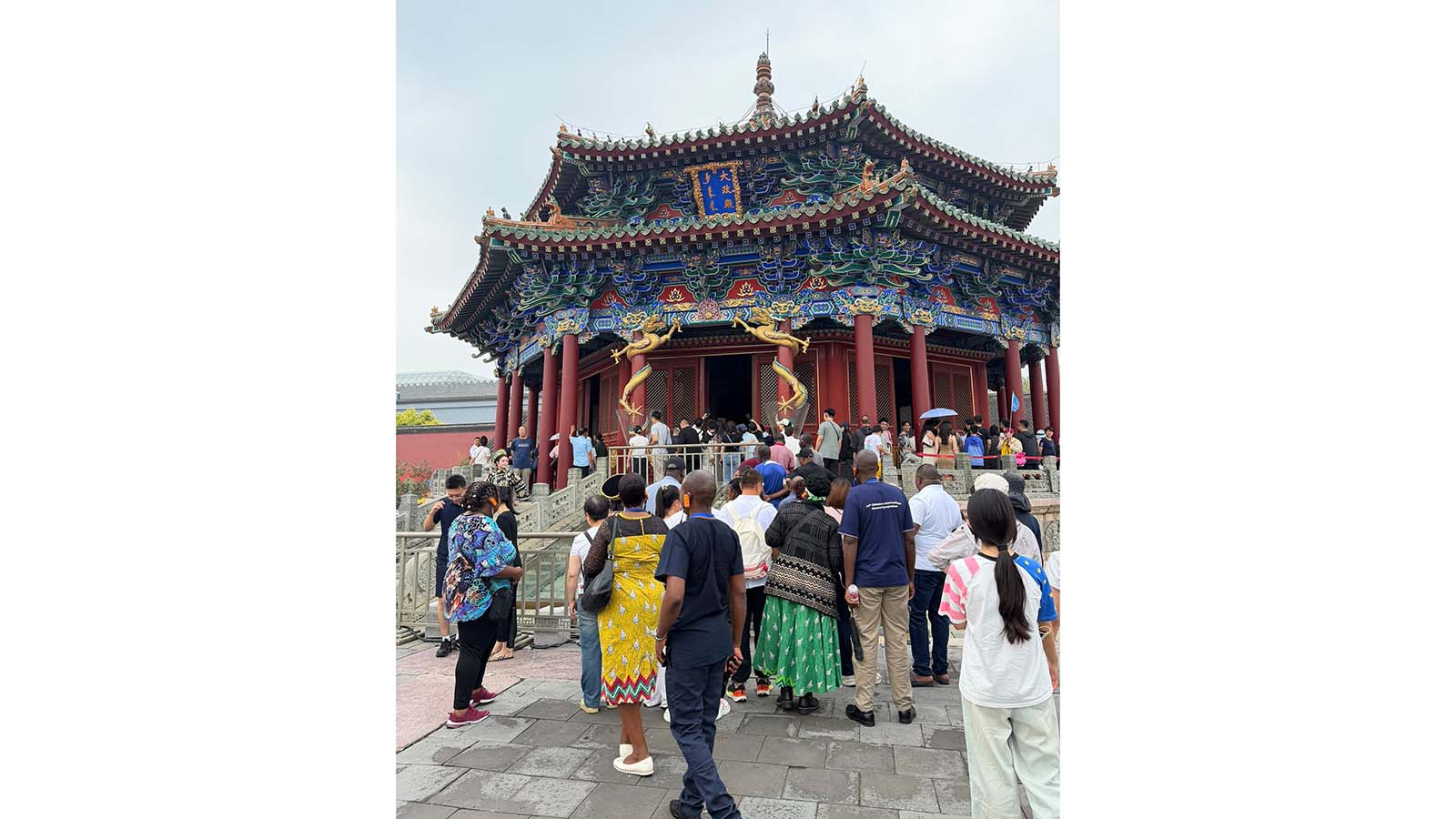
That lesson began in Shenyang. The city, once the birthplace of the Qing Dynasty, effortlessly blends centuries-old history with modern industry.
Standing proudly among its treasures is the Imperial Palace, one of China’s most treasured World Heritage Sites.
Walking through its ancient gates felt like stepping into another century. The beautifully preserved courtyards, carved wooden halls and magnificent imperial buildings remain living reminders that development does not require abandoning history.
Instead, history becomes part of development. That lesson stayed with the Zimbabwean delegation throughout the journey.
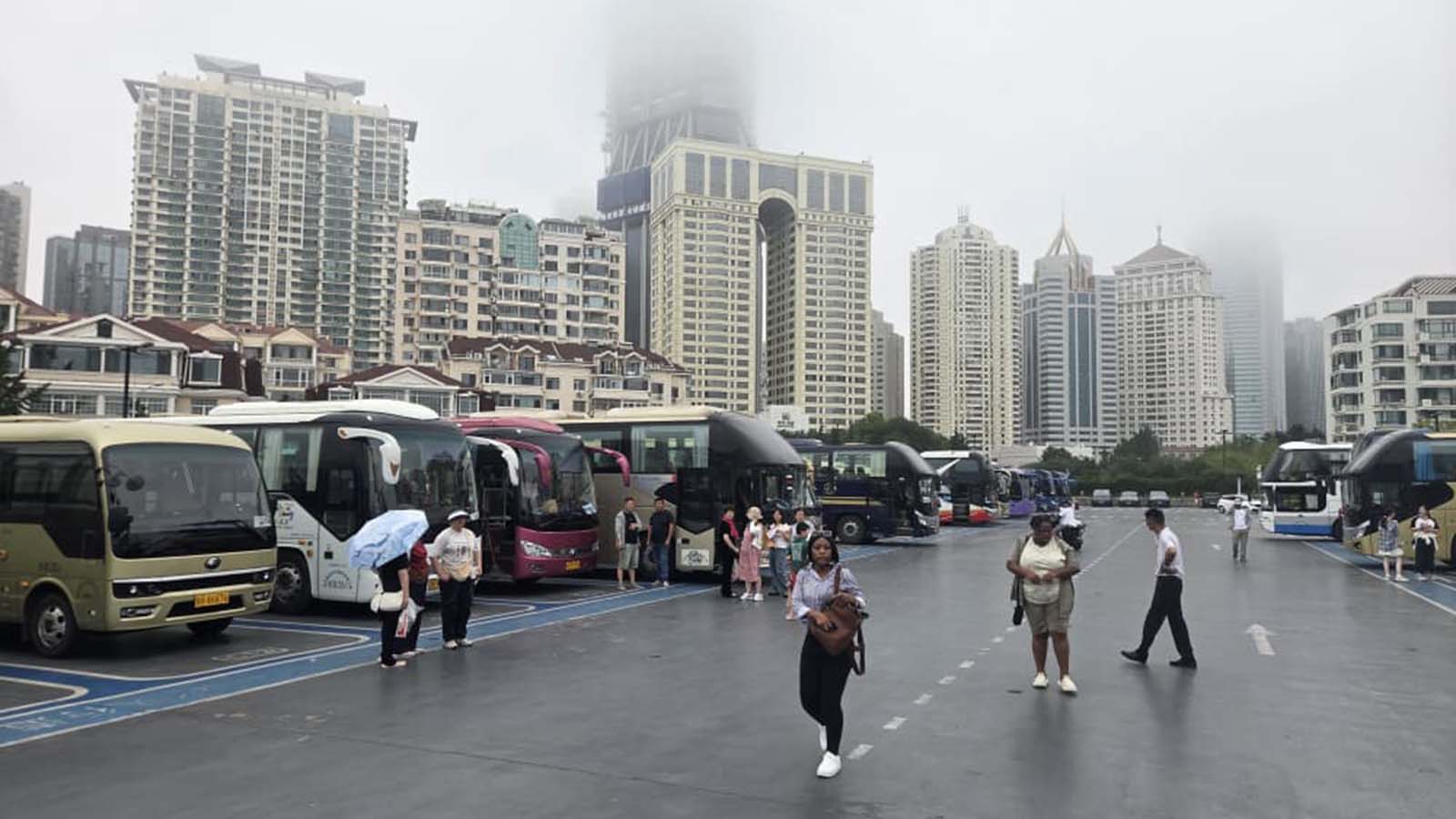
If Shenyang represents China’s respect for its past, Qingdao demonstrates its confidence in the future.
The coastal city welcomed the visitors with fresh sea air, spotless streets and infrastructure that seemed almost impossible to imagine.
There, the delegation toured the famous Tsingtao Beer Museum, where a local brewery founded more than a century ago has grown into one of China’s globally recognised brands.
What impressed the visitors was not simply the beer. It was the story behind it. A local product had become an international symbol through consistency, innovation and national pride.
They toured the Qingdao Olympic Sailing Centre, where the world gathered during the 2008 Olympic Games, before exploring the Museum of the Former German Governor’s Residence, where difficult chapters of colonial history have been preserved, not erased, for future generations.
History, they observed, had become an educational asset. At the famous May Fourth Square, the delegation stood beneath the towering red sculpture that commemorates one of China’s defining patriotic movements.
Nearby, families relaxed along the waterfront while visitors filled parks, museums and restaurants.
The atmosphere was peaceful. The economy was alive. Tourism was working. For Advocate Rutendo Mudarikwa, Qingdao challenged many long-held perceptions.
“What struck me most is that China’s remarkable development has not erased its history. Instead, history has become part of its strength,” she said.
“Qingdao endured foreign occupation by Germany and Japan. Those painful chapters have been preserved with honesty, allowing younger generations and visitors to understand where the nation has come from.
“At the same time, the city has become one of the most modern and technologically advanced places I have ever seen.”
She said the experience demonstrated that preserving heritage and embracing innovation are not competing goals.
“They complement each other. China has shown that you do not destroy yesterday to build tomorrow. You protect your heritage while creating opportunities for future generations. That balance is one of the country’s greatest achievements.”
Everywhere the delegation travelled, engineering excellence seemed to redefine what was possible.
They crossed the magnificent drove through an eight-kilometre undersea tunnel. They crossed the magnificent 62-kilometre Jiaozhou Bay Bridge, appearing to float effortlessly across the ocean.
Roads were smooth. Public transport was efficient. Cities connected seamlessly with industries, ports, airports and tourist destinations.
Nothing appeared accidental. Everything had purpose. Head of delegation Police Commissioner Taonei Nyazema believes that was perhaps China’s greatest lesson.
“We did not see isolated projects. We saw a national vision,” he said. “Every bridge leads to economic activity.
“Every railway supports industry. Every tourist attraction creates employment. Every museum protects history while generating income. Development here is interconnected.”
He said Zimbabwe possesses equally beautiful landscapes, rich history and warm people.
“What China has demonstrated is that natural resources alone are never enough. A country must organise itself. It must invest consistently. It must believe in its own potential.”
Comm Nyazema said domestic tourism particularly stood out during the visit. “Everywhere we travelled, we found Chinese families proudly exploring their own country. Hotels were full. Museums were busy. Parks were vibrant. Historical sites attracted thousands of local visitors every day.”
“That is where national pride begins. Citizens who know their own country value it, protect it and invest in it. Domestic tourism is not simply about holidays. It creates jobs, supports businesses, strengthens national identity and keeps wealth circulating within the country.”
He challenged Zimbabweans to rediscover their own heritage.
“We should not wait for foreigners to tell us that Victoria Falls, Great Zimbabwe, Gonarezhou or our national parks are beautiful,” he said.
“We already know they are. We must visit them ourselves, celebrate them and build an economy around them.”
The delegation believes Zimbabwe can draw several important lessons from China’s remarkable transformation.
First is long-term planning. Nothing in China appeared temporary. Roads, industrial parks, transport systems and tourism facilities reflected decades of consistent investment.
Second is industrialisation. Factories are closely linked with universities, research institutions and transport infrastructure. Innovation is encouraged while production remains at the centre of economic growth.
Third is discipline. From bustling cities to remote towns, public spaces are remarkably clean, organised and efficient. Citizens appear to understand that national development is everyone’s responsibility.
Fourth is investment in people. Education, technology and skills development continue to receive enormous attention. The delegation said a country’s greatest resource is not minerals but skilled citizens.
Finally, came perhaps the biggest lesson of all: confidence. China believes in itself. Its people celebrate local products.
They travel within their own country. They preserve their history. They support domestic industries, they fly their own planes.
That confidence has become one of the engines driving national development. After three memorable days in Qingdao, the delegation boarded one of China’s famous high-speed trains for Beijing.
The journey lasted just three hours. Outside the windows, endless fields of mechanised agriculture stretched towards the horizon.
Large irrigation systems shimmered in the afternoon sunlight. Factories stood beside modern logistics centres. Villages connected effortlessly to highways and railway networks.
For many delegates, the journey itself became another classroom. It demonstrated how infrastructure can unlock agriculture, industry and trade simultaneously.
Government official, Ms Molly Munzverengi, described the visit as life-changing.
“Every destination reminded us that development is not an accident. It is a deliberate choice made every day by governments, institutions and citizens,” she said.
“The Great Wall speaks of resilience. The ancient temples speak of wisdom. The modern cities speak of innovation. Together they tell one story, that a nation can honour its past while confidently building its future.”
She said the visit reinforced the importance of preserving Zimbabwe’s own cultural treasures.
“Our heritage is equally valuable. Our history deserves protection. Our tourism destinations deserve investment.
“If we preserve them properly, they will continue educating future generations while contributing significantly to economic growth.”
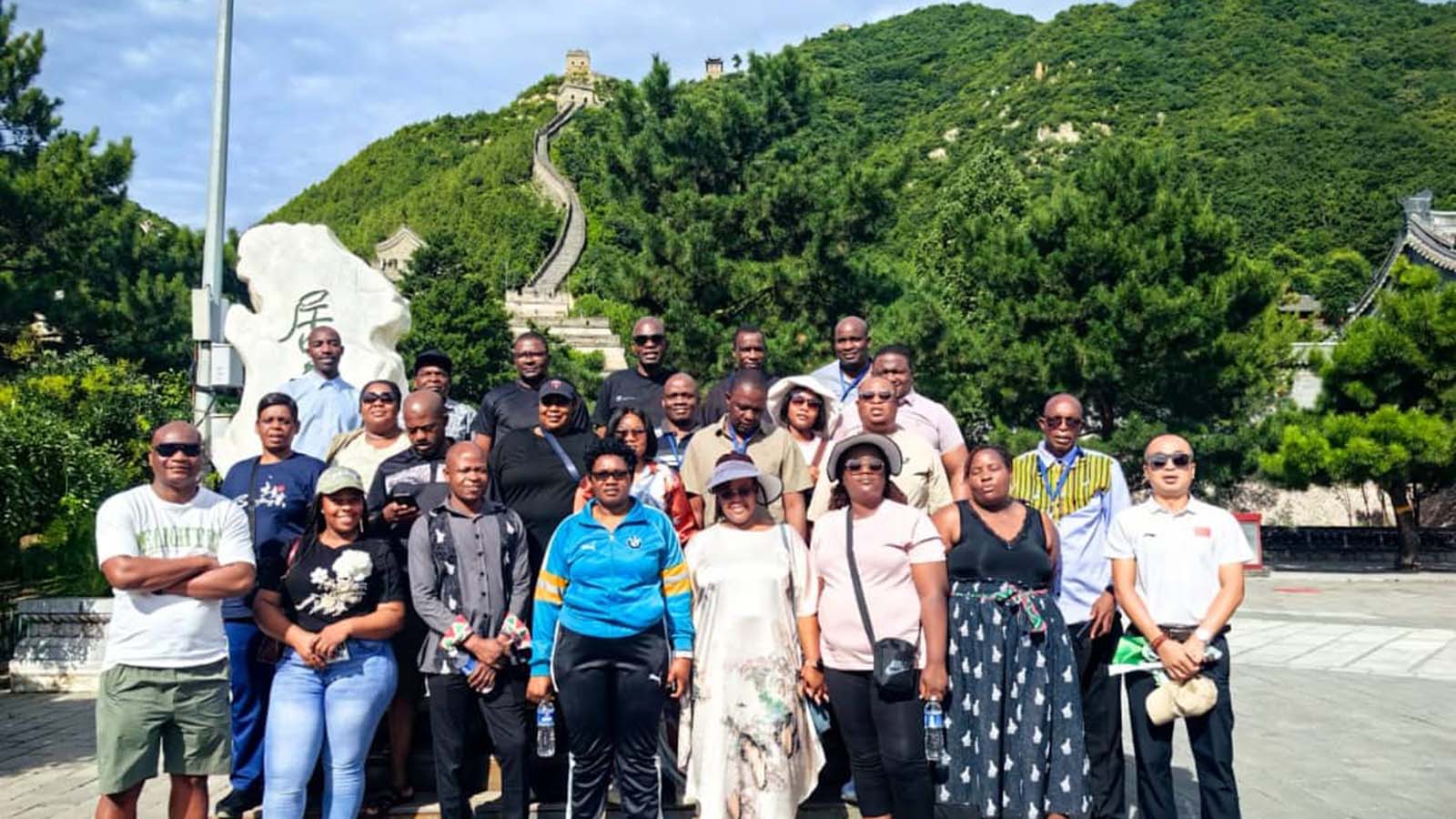
Standing atop the Great Wall of China, thousands of kilometres from home, many delegates found themselves thinking not only about China’s extraordinary journey but about Zimbabwe’s own future.
The ancient stones beneath their feet were built centuries ago. Yet they continue attracting millions of visitors every year. That, they realised, is the power of preserving history.
The journey ended at the magnificent Temple of Heaven, where emperors once prayed for good harvests.
It was a quiet conclusion to a journey filled with discovery. As the delegation prepared to fly home, one message had become unmistakably clear.
China’s greatest achievement is not simply its skyscrapers, bullet trains or massive bridges. Its greatest achievement is belief.
Belief that history matters. Belief that culture creates value. Belief that tourism builds economies.
Belief that industry transforms nations. Belief that every citizen has a role to play.
Commissioner Nyazema perhaps captured the experience best.
“Walking through another nation’s history changes you,” he said.
“It reminds you that every great country begins with people who believe in their own future. China has shown us what is possible when a nation plans beyond elections, invests beyond today and inspires its citizens to take pride in their country.”
He paused before delivering the lesson the delegation carried back to Zimbabwe.
“We are returning home with admiration, but not with envy. We are returning with determination,” he said.
“Zimbabwe has the land, the people, the history and the opportunities. What we have witnessed here tells us that with vision, discipline and unity, we too can build a future that generations yet unborn will celebrate.”
For the Zimbabwean delegation, the two-week-long visit was never simply about China.
It became a mirror. And in that mirror, they saw not only another nation’s remarkable success, but the possibilities waiting at home.



