Ivan Zhakata
Herald Correspondent
Gender-based violence (GBV) prevention and support programmes in higher and tertiary education institutions should be made accessible to students with disabilities, particularly learners with hearing impairments, to ensure they are not left vulnerable to abuse, an advocate for people with disabilities, Ms Susan Masona, has said.
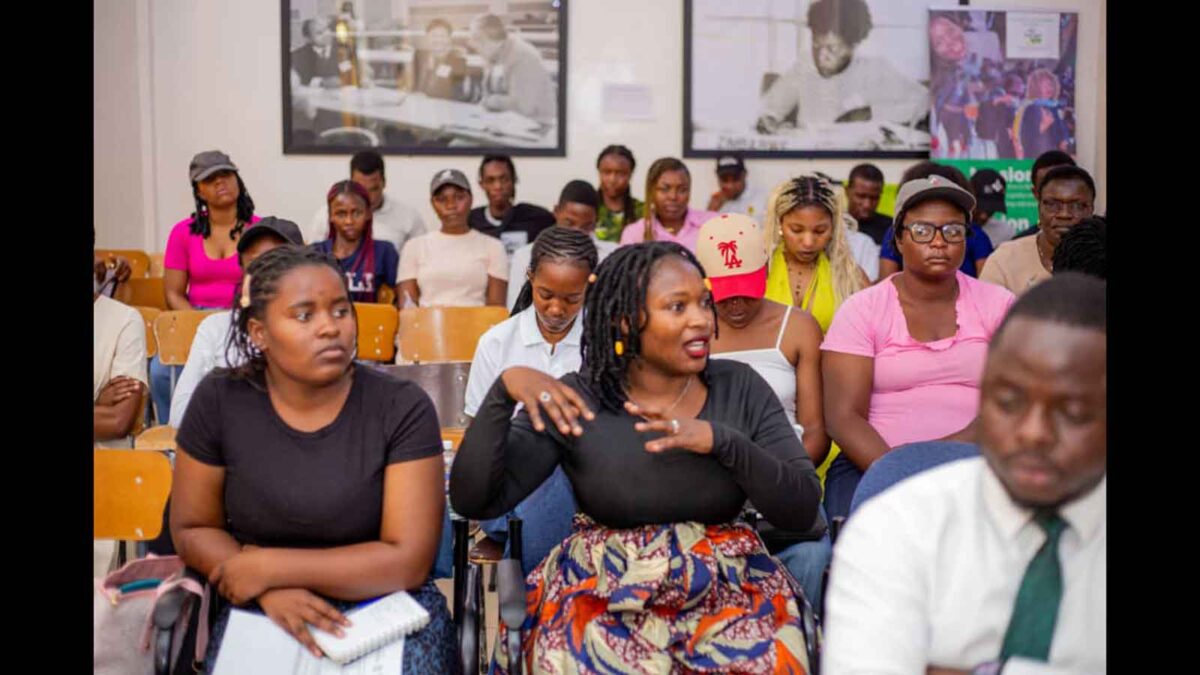
Speaking at the Unmuted: Young Voices Against GBV – Supporting Higher and Tertiary Education Institutions to Break the Silence on Gender-Based Violence conference hosted by the Forum for African Women Educationalists Zimbabwe (FAWEZ) in partnership with Government, UNESCO and the Swiss Agency for Development and Cooperation, Ms Masona said communication barriers were denying people with disabilities access to information and justice.
“It is very crucial that gender-based violence programmes should be more accessible in the right formats that people with disabilities can understand,” she said.
Ms Masona said students with hearing impairments were particularly disadvantaged by the absence of sign language interpretation during awareness campaigns, making it difficult for them to access critical information on preventing and reporting abuse.
“For this university (Women’s University in Africa), maybe you are doing GBV awareness programmes, you have that programme, and then you put it into sign language. That can also help if you have students who are deaf,” she said.
She said many children with hearing impairments grew up in families where communication was limited because relatives lacked sign language skills, leaving them isolated and struggling to access information.
“You find that most of the children who are deaf are deprived of access to sign language. When you go to a family of many people, that child has no communication within the family,” Ms Masona said.
She said the challenges extended to public institutions, where the absence of sign language interpreters was affecting the handling of GBV cases involving deaf survivors.
“Most of the cases are still pending. Some of those cases can go on for years and years. That means we failed to get a sign language interpreter,” she said.
Ms Masona said people with hearing impairments also struggled with written communication when complicated English grammar and institutional jargon were used.
“For the deaf people, for them to understand what you are saying, you should write it in very simple English. If you write it in English, it will be difficult for them to understand,” she said.
She said people with disabilities faced multiple barriers, including inaccessible buildings, communication challenges, inaccessible information and negative attitudes which could expose them to gender-based violence.
Ms Masona called for reasonable accommodation and inclusive education systems to ensure students with disabilities participated equally in university activities and accessed GBV prevention, reporting and support services.
She also said there was a need to introduce sign language education at the early childhood level to improve the educational progression of deaf learners and increase their opportunities to enrol at tertiary institutions.