Online Reporter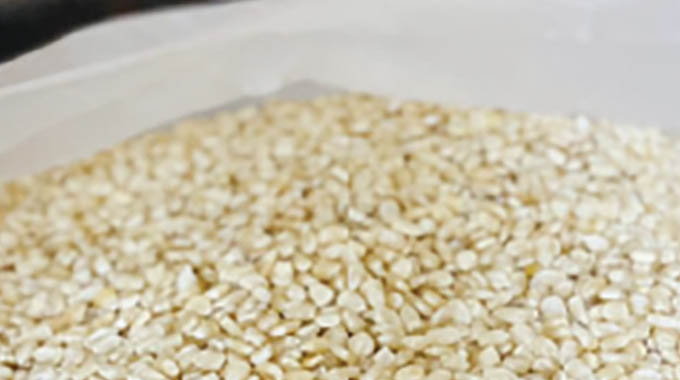
THE Grain Millers Association of Zimbabwe (Gmaz), through its members, has so far purchased over 35 000 tonnes of wheat from the Agricultural and Rural Development Authority (Arda) this season, an official has said.
Gmaz Secretary, Mr Moses Maunganidze, announced the development in Harare during the signing of an agreement with Arda for the supply of 200 000 tonnes of white maize.
Mr Maunganidze said procuring wheat from Arda was an indication of the organisation’s continued support for local farmers and national food security.
“We are committed to reducing imports and strengthening local grain supply chains.”
The new deal will see Arda cultivating and supplying maize to Gmaz members between 1 April 2026 and 30 March 2027. Deliveries will be made to areas such as Harare, Bulawayo and Mutare, with a fixed price of US$355 per tonne.
Mr Maunganidze said the association would continue to procure more wheat during the remaining six to eight weeks of the marketing season.
“Our members are still active on the market and we expect to increase our wheat intake significantly before the end of the season,” he said.
Due to global supply challenges and rising input costs, Mr Maunganidze said Gmaz remained determined to prioritise local sourcing.
“It is important to build resilience within our own systems. That is why we are investing in partnerships that support domestic production and protect our economy from external shocks,” he said.
He also revealed that structured agreements like the one signed with Arda formed part of Gmaz’s long-term strategy.
“This deal is not just about maize. It’s about building a reliable, farmer-focused value chain that supports productivity, guarantees supply, and creates sustainable business opportunities across the agriculture sector,” Mr Maunganidze said.
Arda operations director, Mr Shingirai Jenah, hailed the agreement as a milestone that bridged the long-standing gap between primary producers and the commercial market.
“This partnership is a big step in linking farmers with buyers.
“It will boost local production and reduce our dependence on imports, which have been draining our much-needed and scarce foreign currency.”
He said the agreement also supported smallholder farmers, promoted structured markets and helped align private sector and Government efforts.
“Together with Gmaz, we are creating a national model that supports localised value chains, enhances food security and ensures the participation of women, youth and vulnerable communities in agriculture,” he said. — New Ziana