
Peter Matika, [email protected]
A TOTAL of 1 923 businesses have been prosecuted since January this year for various consumer-related offences including selling expired goods and counterfeit products, the Consumer Protection Commission (CPC) has revealed.
Other offences include selling substandard products, improper labelling, and underweight products, failing to provide warranties, and violating refund and return policies.
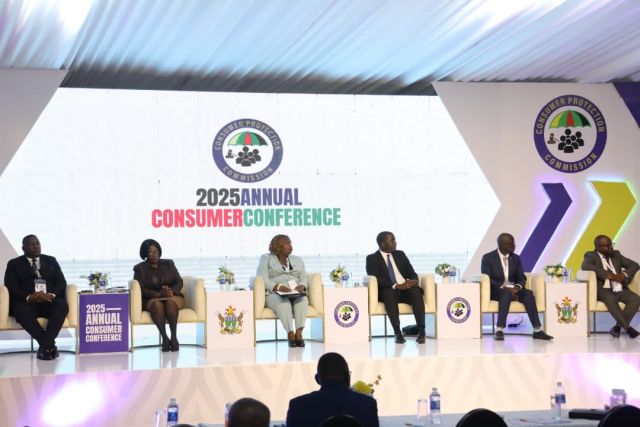
CPC board chairperson, Commissioner Respina Zinyanduko, said this yesterday at the annual Consumer Conference being held in Bulawayo.
“We will not rest until all perpetrators are brought to book,” she said.
“Consumers must no longer be exposed to harmful products that compromise their health and safety.”

Comm Zinyanduko expressed concern over rising cases of fake electronics, noting that some traders are importing refurbished laptops and cellphones but misrepresenting them as brand-new.
She said this constitutes serious fraud and gross misrepresentation of product quality.
“The CPC has been carrying out nationwide raids in collaboration with the Zimbabwe Republic Police, Zimra, the Trade Measures Department, local authorities, and the Medicines Control Authority of Zimbabwe (MCAZ),” said Comm Zinyanduko.
“These co-ordinated blitz operations have resulted in the confiscation of counterfeit sugar, smuggled milk, illicit beverages, substandard alcoholic drinks, and various other fake or unsafe goods.
“The seized products have been destroyed under the supervision of public health inspectors.”
Comm Zinyanduko said, despite the progress, there are still gaps, especially in remote areas.
“We will intensify consumer awareness campaigns nationwide, guided by President Mnangagwa’s mantra: ‘No one and no place should be left behind’.
To ensure stronger deterrence, the CPC has begun engaging the National Prosecuting Authority, the Judiciary, the Police, the Ministry of Justice, and the Attorney General’s Office,” she said.
“The goal is to strengthen sentencing for offenders and close gaps in the Consumer Protection Act to make enforcement more effective.
“The private sector has long cried out about the threat of counterfeits. This is your opportunity to help shape the response,” said Comm Zinyanduko.
She challenged delegates to transform discussions into actionable strategies that protect every consumer, whether in cities or the remotest communities.
“Together, we can build a marketplace anchored in integrity, restore confidence, empower our people, and move Zimbabwe closer to achieving Vision 2030,” said Comm Zinyanduko.

The conference is aimed at strengthening Zimbabwe’s fight against counterfeit products and promoting consumer safety, industry competitiveness, and national economic progress.
The conference, running under the theme: “Combating Proliferation of Counterfeit Products for Enhanced Industry Competitiveness and Consumer Safety for the Realisation of Vision 2030”, is being attended by senior Government officials, regulators, industry players, and consumer rights advocates.
Comm Zinyanduko said the theme was carefully crafted to reflect the growing threat posed by counterfeit products to consumer health, industry viability, and national fiscal revenues.
“This conference will contribute to crafting strategies that will help eliminate the menace of counterfeits in our midst,” she said.
Comm Zinyanduko said the conference emphasises the crucial role of consumer protection in Zimbabwe’s broader economic blueprint.
She reiterated that achieving Vision 2030, which seeks to transform Zimbabwe into an empowered upper-middle-income economy, depends heavily on preserving the integrity of the marketplace.
“Realisation of this Vision is predicated on a safe marketplace, industry integrity, and the overall well-being of our society,” Comm Zinyanduko said.
She said the consumer protection has been formally submitted as a key pillar under the National Development Strategy 2 (NDS2), expected to be launched before year-end.
“NDS2 adopts a holistic approach to economic growth, placing consumer protection at the centre of long-term stability and sustainable national development,” said Comm Zinyanduko.
She said CPC is committed to global best practices guided by the United Nations framework on consumer protection, which outlines principles such as fair trading, access to basic goods, consumer education, and inclusive decision-making.
“The Commission has been aligning its activities with Vision 2030, NDS2, and UN guidelines to strengthen Zimbabwe’s consumer protection ecosystem.
“To this end, the CPC has been actively conducting enforcement operations, market surveillance, and public education programs across the country to empower consumers to demand and defend their rights,” said Comm Zinyanduko.