Online Reporter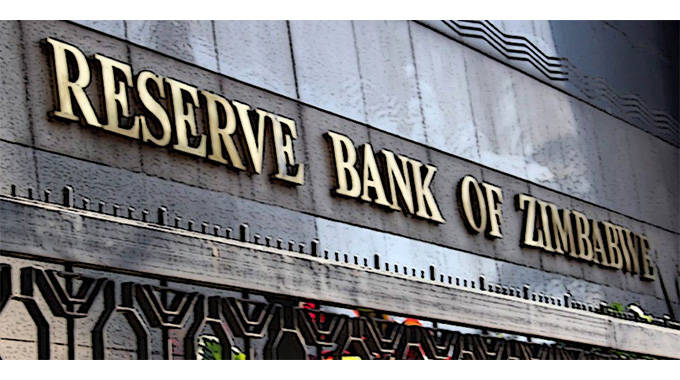
Michael Tome, Zimpapers Business Hub
THE Government has approved the establishment of 10 national priority areas that will guide development and implementation of the National Development Strategy 2 (NDS2) in line with the aspirations of Vision 2030 of transforming Zimbabwe into an upper middle-income economy.
The NDS2 is an economic blueprint to complete the second five-year medium-term development plan, riding on the success of NDS1, running from January 2021 to December 2025.
The NDS1 succeeded the Transitional Stabilisation Programme (TSP), a short-term economic blueprint implemented from 2018 to 2020.
In pursuit of the vision to become an empowered and prosperous upper-middle-income society by 2030, the Second Republic introduced the NDS1 as a roadmap for transformative and inclusive growth.
Building on NDS 1, the forthcoming NDS2 will serve as the final phase of the country’s development agenda, driving it towards 2030 aspirations.
NDS2 will likely focus on consolidating gains, addressing remaining challenges and propelling the nation towards sustainable economic growth, social development and improved living standards for all citizens.
To ensure a comprehensive and inclusive strategy, Finance, Economic Development and Investment Promotion Ministry and the Office of the President and Cabinet (OPC), announced the establishment of thematic working groups that will guide the development and implementation of NDS2.
These national priority working thematic groups will include:
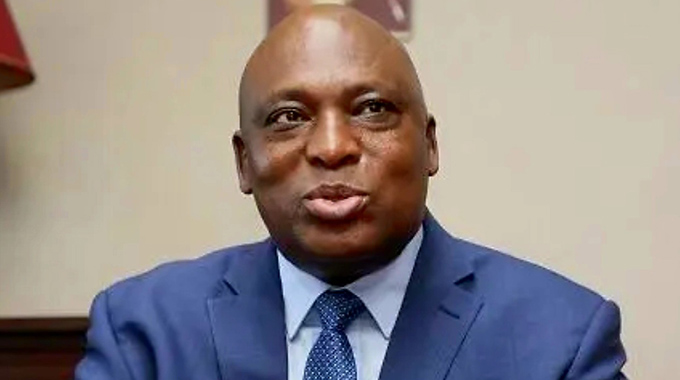
1. Macro-Economic Stability and Financial Sector Deepening, which will be chaired by the Reserve Bank of Zimbabwe (RBZ) Governor Dr John Mushayavanhu and co-chaired by Mr Fanwell Mutogo of the Bankers Association of Zimbabwe.
This group will focus on creating a stable macro-economic environment and developing a robust financial sector that can support economic growth, investment and job creation.
To achieve this, several initiatives will be implemented, including maintaining low inflation and stable exchange rates, strengthening banking and financial institutions and improving access to credit and financial services.
Additionally, efforts will be made to promote financial inclusion and stability, as well as encourage investment and economic growth with the ultimate goal of building a strong economy that can support the country’s development aspirations, driving progress and improving the lives of its citizens.
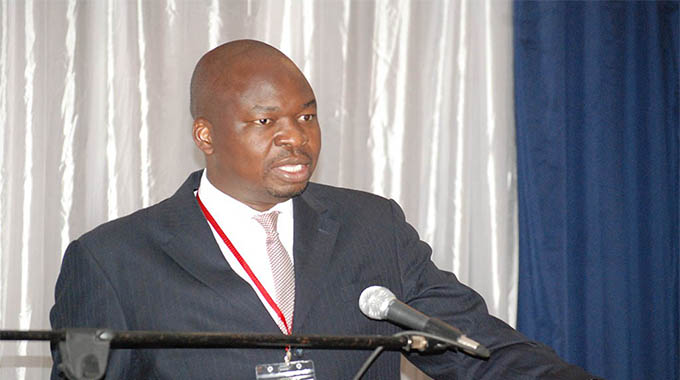
2. Inclusive Economic Growth and Structural Transformation, will be chaired by the Secretary for Finance, Economic Development and Investment Promotion, Mr George Guvamatanga, co-chaired by the Secretary for Industry and Commerce, Dr Thomas Utete Wushe.
This thematic group will focus on creating an economy that grows in a way that benefits all citizens, reducing poverty and inequality through the promotion of entrepreneurship and private sector development, supporting small and medium-sized enterprises, encouraging innovation and competitiveness, creating jobs and opportunities for the youths and vulnerable groups.
3. Infrastructure Development and Housing group will be chaired by the Secretary for Transport and Infrastructural Development, Engineer Joy Makumbe and co-chaired by Engineer Theodius Chinyanga. They will focus on growing investments in various infrastructure sectors such as transportation, water and sanitation for the growing population of Zimbabwe.
4. Food Security, Climate Resilience, and Environmental Protection will be chaired by Secretary for Agriculture, Fisheries, Water and Rural Development Professor Obert Jiri and co-chaired by Secretary for Environment, Climate and Wildlife Ambassador Tadeous Chifamba.
This sector will focus on ensuring food security through development of the agriculture sector that guarantees sufficient, safe and nutritious food through modernisation of the local agriculture sector, irrigation development and support for smallholder farmers.

5. Science, Technology, Innovation and Human Capital Development group will be headed by Secretary for Higher International Education, Innovation, Science and Technology Development, Professor Fanuel Tagwira and co-chaired by Secretary for Information, Communication, Technology and Postal and Courier Services, Dr Beaullah Chirume.
Science, technology, innovation and human capital development are essential drivers of economic growth, productivity and competitiveness. Investing in these areas will help the country leapfrog development challenges and achieve its vision for an upper-middle-income society by 2030.
6. Job Creation, Youth Development, Creative Industry, and Culture cluster will be led by Secretary for Youth Development, Mr Solomon Mhlanga, co-chaired by the Secretary for Sports, Arts and Recreation, Mr Nicholas Moyo.
This group’s mandate will focus on job creation, generating employment opportunities that are sustainable, productive and well-paying, enabling citizens to support themselves through entrepreneurship development, vocational training and support for small and medium-sized enterprises.
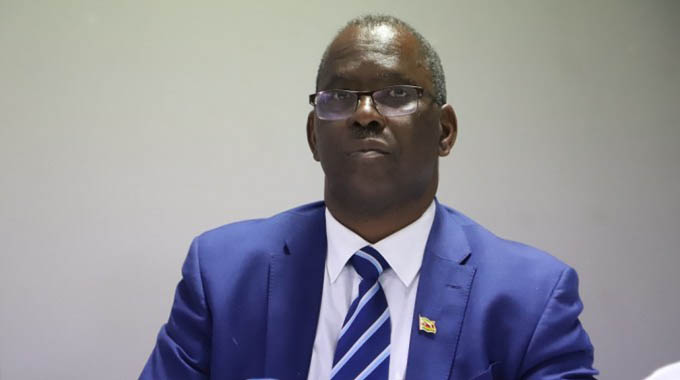
7. Social Development and Social Protection will be headed by the Secretary for Public Service, Labour and Social Welfare Mr Simon Masanga and Secretary for Health and Child Care Dr Aspect Maunganidze will co-chair the thematic group.
This sector will encompass a range of initiatives aimed at promoting the well-being and dignity of all citizens, particularly the most vulnerable populations, through poverty reduction, inequality and social exclusion, while enhancing access to essential services such as healthcare, education and social welfare.
8. Regional Development and Inclusivity through Devolution and Decentralisation working group will be led by the Secretary for Local Government and Public Works, Dr John Basera, while Secretary for Public Service Commission Mrs. Sibusisiwe Zembe will co-chair.
This sector aims to promote balanced growth and development across different regions of the country by transferring power, authority and resources to local governments, enabling regions to make decisions that best suit their unique needs and priorities.

9. Image Building, International Relations and Trade cluster will be led by Secretary for Foreign Affairs and International Trade, Ambassador Albert Chimbindi assisted by Secretary for Information, Publicity and Broadcasting Services Mr Nick Mangwana.
This group will work on the promotion of a positive perception of the country, both domestically and internationally, to attract investment, tourism and talent through various initiatives such as branding, marketing campaigns and cultural diplomacy.
10. Good Governance, Institution Building, Peace and Security will be chaired by Mrs Vimbai Nyemba, Secretary for Justice, Legal and Parliamentary Affairs and Secretary for Home Affairs and Cultural Heritage, Ambassador Raphael Faranisi will co-chair.
This group will focus on creating strong institutions that can uphold the rule of law, protect human rights and provide essential services to citizens and will focus on promoting transparency, accountability and citizen participation in decision-making processes.
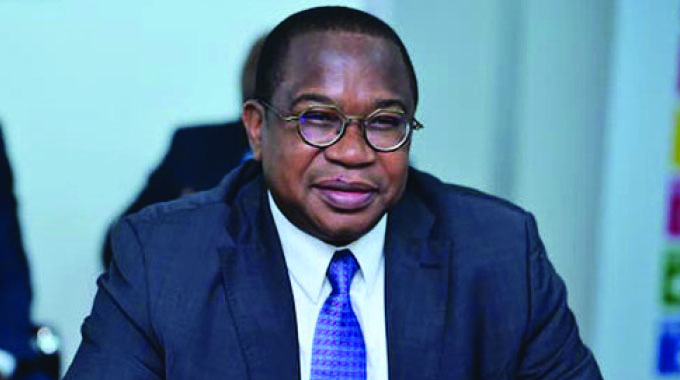
While addressing business participants at the National Priorities and NDS2 Roadmap consultative meeting held in Harare on Wednesday, Finance, Economic Development and Investment Promotion Minister, Professor Mthuli Ncube said these thematic groups will work in consultations with wide range of stakeholders, including the private sector, academia, media, civil society, citizens, development partners, parliament and the judiciary.
“The development of NDS2 commenced with approval by Cabinet of the NDS2 Roadmap on 17 September 2024. Following that, there was the identification of national priority proposals, which the Cabinet subsequently approved on 11 March 2025.
“These thematic working groups will engage relevant stakeholders across their thematic domains to determine the appropriate strategies and interventions necessary for achieving the national priorities and ultimately, Vision 2030,” said Minister Ncube.
He said an official website will also be set up to enable all citizens to contribute their views and recommendations, embodying the principle of “leaving no one and no place behind.”
Speaking at the same event, Chief Secretary to the President and Cabinet, Dr Martin Rushwaya said NDS2 will provide a clear outline for Government targets and implementation processes up to 2030.
“NDS2 will establish a clear framework for aligning planning, programming, budgeting and in the implementation of public investments.
“It will define minimum service standards at all levels and leverage the unique strengths of each province to contribute to national development. Specific performance targets and indicators will guide the effective delivery of development outcomes and thematic working groups will spearhead the development of the NDS2 national blueprint,” said Dr Rushwaya.
Speaking at the same event, Deputy Chief Secretary to the President and Cabinet for Policy Analysis, Dr Willard Manungo, said the Government is embarking on a comprehensive terminal evaluation of NDS1 as the current blueprint approaches its conclusion at the end of 2025.
According to Dr Manungo, this critical exercise is designed to capture progress and inform the upcoming NDS2.
“By the end of December 2025, the roadmap that has been guiding the interventions, the initiatives by Government and by all stakeholders, will come to an end, now, for us to be able to capture the progress that we have made during the NDS1 period, the activities that we need to carry forward into the NDS2 period, it becomes necessary that we undertake the terminal evaluation of how we have fared with the NDS1,” said Dr Manungo.
Business representative bodies that attended the consultative meeting included the Zimbabwe National Chamber of Commerce (ZNCC), the Confederation of Zimbabwe Retailers (CZR), the Employers’ Confederation of Zimbabwe (EMCOZ), the Confederation of Zimbabwe Industries (CZI) and the Bankers Association of Zimbabwe.
Transport operators, members of academia, farmers’ organisations, religious leaders, economists and the retailers’ association representatives also attended the event.