George Maponga
Masvingo Bureau
Government continues to drive the nation towards achieving universal health coverage after okaying the recruitment of over 14 000 personnel to fill new posts and boost health delivery in line with Vision 2030 of an upper middle-income society.
The recruitment started last year and the absorption of new employees to fill the vacant health sector posts until year-end.
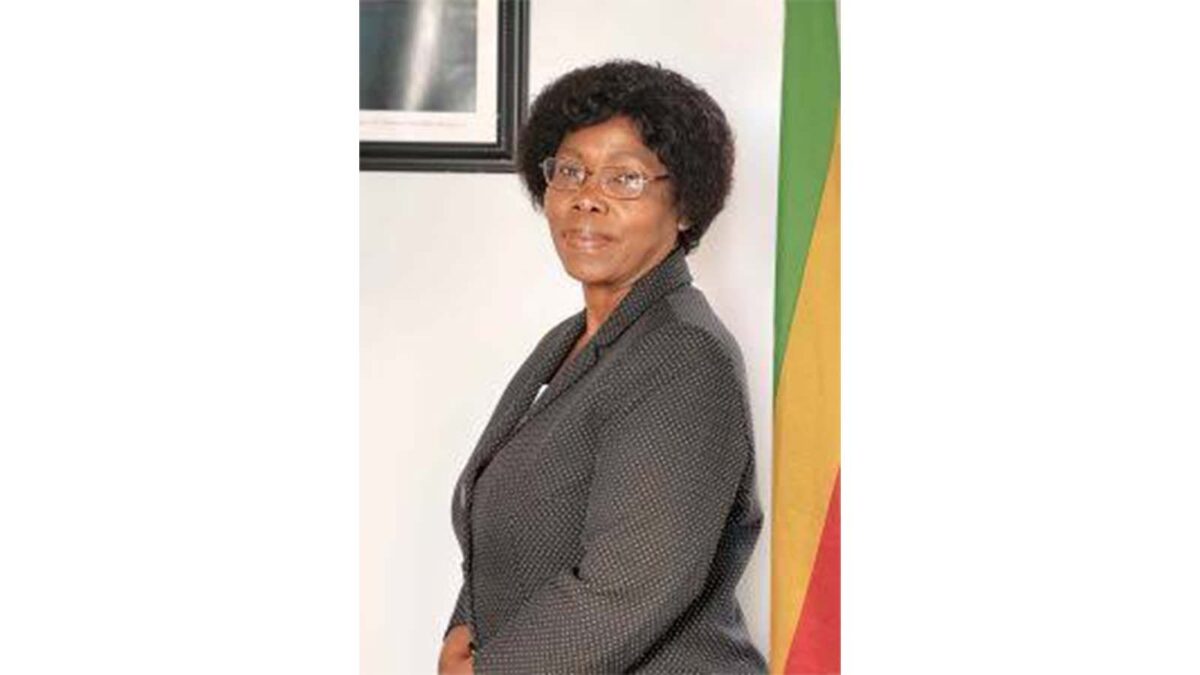
Health Service Commission deputy chairperson, Dr Rugare Abigirl Kangwende, revealed that the posts being filled were for both clinical and support staff as Zimbabwe angles to attain upper middle-income society status by the year 2030.
Speaking on the sidelines of a tour of Masvingo Provincial University Teaching Hospital, Dr Kangwende said that 32 000 new health sector posts should have been filled by 2030 to help the nation achieve universal health coverage.
The Health Service Commission deputy chair led a delegation that toured the new university teaching hospital that is undergoing a US$40 million upgrading project.
On completion of the upgrade, Masvingo University Teaching Hospital will be transformed into a modern 400 – bed facility offering specialist health services.
This development will stop patients from travelling to faraway places like Harare and Bulawayo to seek specialist medical care.
The upgrading exercise is being done in four phases and also seeks to make sure the institution is able to adequately train medical students from the Great Zimbabwe University’s Simon Mazorodze School of Medical and Health Sciences who will conduct their clinical studies there.
Dr Kangwende said her commission was pulling all the stops to make sure Zimbabweans in all places were able to access quality health services.
“We were given the green light by Treasury to recruit over 14 000 new workers for the health sector between last year and the end of this year, and we are really excited by that move by Government so we are really moving around to see how we can distribute those posts, looking at which areas need what,” she said.
“We are excited because those new posts should have been filled by the end of this year, so we are looking at workers like radiographers, doctors and other clinical staff and how they will be distributed.”
She revealed that her commission would also advise the Government on the right policies for the nation to produce more health professionals and meet the nation’s health needs.
The Health Service Commission deputy chair pointed out that the shortage of trained health personnel remained the elephant in the room to fill the 14 800 posts that had been okayed by Treasury in the health sector.
“We have started recruitment of support staff, and in terms of support staff that is non-clinical staff, we have managed to do quite a lot, the challenge is in recruiting clinical staff, the health professionals such as nurses, doctors and specialist doctors; the market does not have enough trained people to recruit,” Dr Kangwende said.
“At the moment we are looking at coming up with the right policies for us to be able to train more health professionals, our output from our local training institutions should be able to meet this demand.”
Dr Kangwende paid tribute to the Second Republic under President Mnangagwa for successfully pivoting Zimbabwe towards attaining universal health coverage for its citizens.
“We need to double the number of workers in the health sector so that we add impetus to the transformation of Zimbabwe into an upper middle-income economy,” she said.
“The Government has granted us the posts, but the bodies are missing, and we have to train more people to increase the output, we have to come up with innovative methods of training so that we can serve our people of Zimbabwe.”
According to her, 32 000 new workers would have to be employed in the country’s health sector to deliver effective health services to every Zimbabwean by the year 2030.
Currently, there are about 57 000 workers in the country’s health sector, and the figure will surpass 80 000 by 2030 if more workers are employed.
“Ultimately we would like at least 32 000 new posts to boost our health workforce in Zimbabwe by 2030 and the 14 800 that we are currently recruiting are from that figure,” Dr Kangwende said.
“We want to be able to provide health services to all Zimbabweans when they need and where they need it without impoverishing themselves and it must be quality health care for every citizen; that is what we call universal health coverage to help Zimbabwe attain upper middle income economy status.”
Dr Kangwende and her delegation expressed satisfaction with upgrading works at Masvingo Provincial University Teaching Hospital, which has undergone massive transformation after being refurbished, with works ongoing.
The delegation also toured other health institutions in Masvingo such as Ngomahuru Psychiatric Hospital, Chivi District Hospital and Morgenster Mission Hospital to familiarise with the obtaining situation.