Online Reporter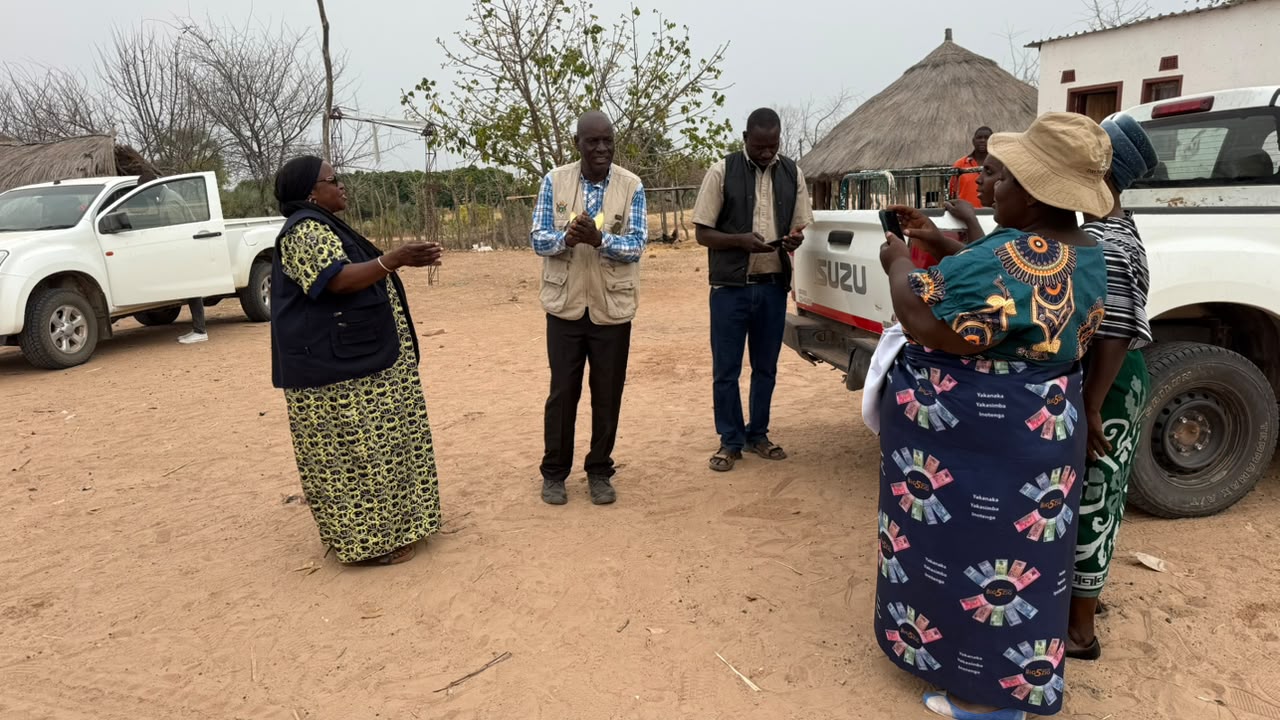
Conrad Mupesa
Mashonaland West Bureau
GOVERNMENT is set to establish an irrigation scheme in Mola, Nyaminyami District, which could become the first large-scale development project of its kind to directly benefit local communities since the construction of Kariba Dam more than six decades ago.
Mashonaland West Provincial Affairs and Devolution Minister Marian Chombo announced the planned irrigation project this morning during her visit to Chief Mola to console families affected by the Kariba RIDA ferry disaster, which claimed 97 lives.
Most of those who perished in the August 11 disaster were from Mola and surrounding communities, with the ferry serving as a vital link between the remote communities and Kariba urban.
Minister Chombo said the Government was working on plans to introduce irrigation development in the area as part of broader efforts to improve livelihoods and ensure that communities benefit from the natural resources around them.
“I am here to console the Chief and people of Mola following the devastating Kariba boat disaster,” she said.
“As government, we are stepping up efforts to ensure that the community has access to sustainable projects, including setting up an irrigation scheme drawing water from Lake Kariba.”
Chief Mola’s area, which is home to villagers in Wards 1, 3, 4, and 5, has arable land, and the upcoming scheme is expected to end hunger.
The area, which falls under natural region five, relies heavily on food aid due to poor rains, while wildlife attacks on crops and livestock also hamper farming activities.
The proposed project aims to boost food production, income generation, and employment opportunities in a region where communities have historically faced limited economic prospects and difficult access to markets and services.
The development holds historical significance for Mola and the broader Nyaminyami area. The Tonga, Shangwe, Gova, and Korekore communities were displaced from the banks of the Zambezi River during the construction of Kariba Dam in the late 1950s and early 1960s.
While Kariba Dam has become one of Zimbabwe’s main sources of hydro-electricity and a significant tourist attraction, communities displaced from the Zambezi Valley have long expressed concerns over limited development and livelihood opportunities in their resettlement areas.
Chief Mola welcomed the announcement, stating the project aligns with the Government’s policy of ensuring that no community or geographical area is left behind.
He thanked the Government for responding to the concerns of communities in Nyaminyami and said the proposed irrigation scheme would provide residents with a chance to improve their livelihoods.
The announcement comes amid efforts by the Government to enhance connectivity and access to services in the remote district following the ferry disaster.
On Friday, the Government commissioned a privately operated ferry to serve as an alternative link between communities on the Zambezi and Kariba urban.
The ferry is expected to relieve pressure on communities that rely on water transport to access health facilities, schools, markets, and other essential services in Kariba.
Additionally, the Government is enhancing efforts to upgrade and rehabilitate the Karoi-Siakobvu-Binga Road, a key transport corridor serving communities in the Zambezi Valley.