Online Reporter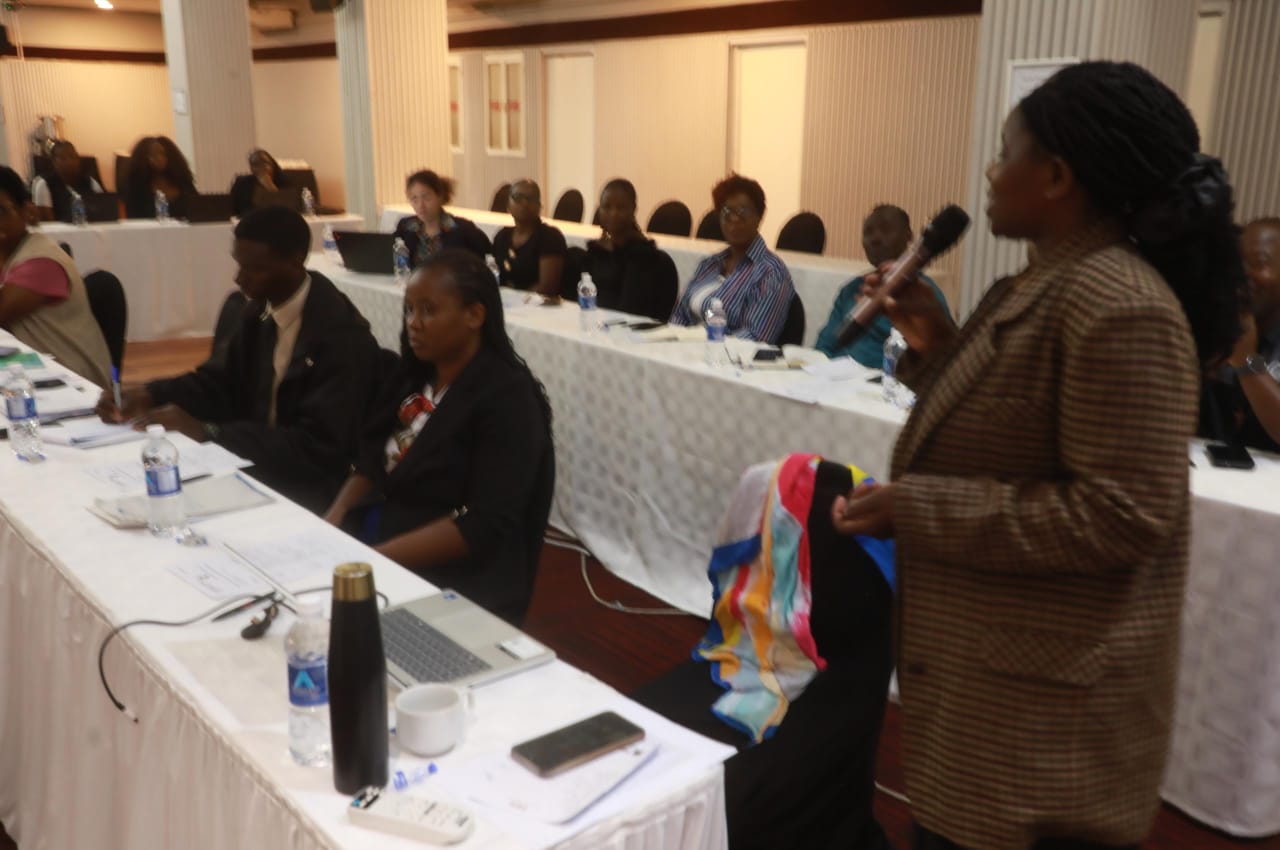
Peter Matika [email protected]
GOVERNMENT has intensified its scrutiny of Bulawayo’s 11 residential child-care facilities, warning institutions entrusted with vulnerable children that they must meet prescribed standards of care, protection and welfare.
The city has eight privately owned and three Government-run residential child-care facilities, placing hundreds of vulnerable children under the watch of institutions that are legally required to provide safe, nurturing environments, adequate nutrition, healthcare, sanitation and education.
Provincial Social Welfare/Development Officer for Bulawayo in the Ministry of Public Service, Labour and Social Welfare, Ms Energy Mlambo, said the Government will continue monitoring and inspecting the facilities to ensure children under institutional care are protected and that they enjoy their rights.
“Government is mandated to provide adequate care and support, given the inherent vulnerability of children under institutional care, and to ensure comprehensive care for their well-being and development,” she said.
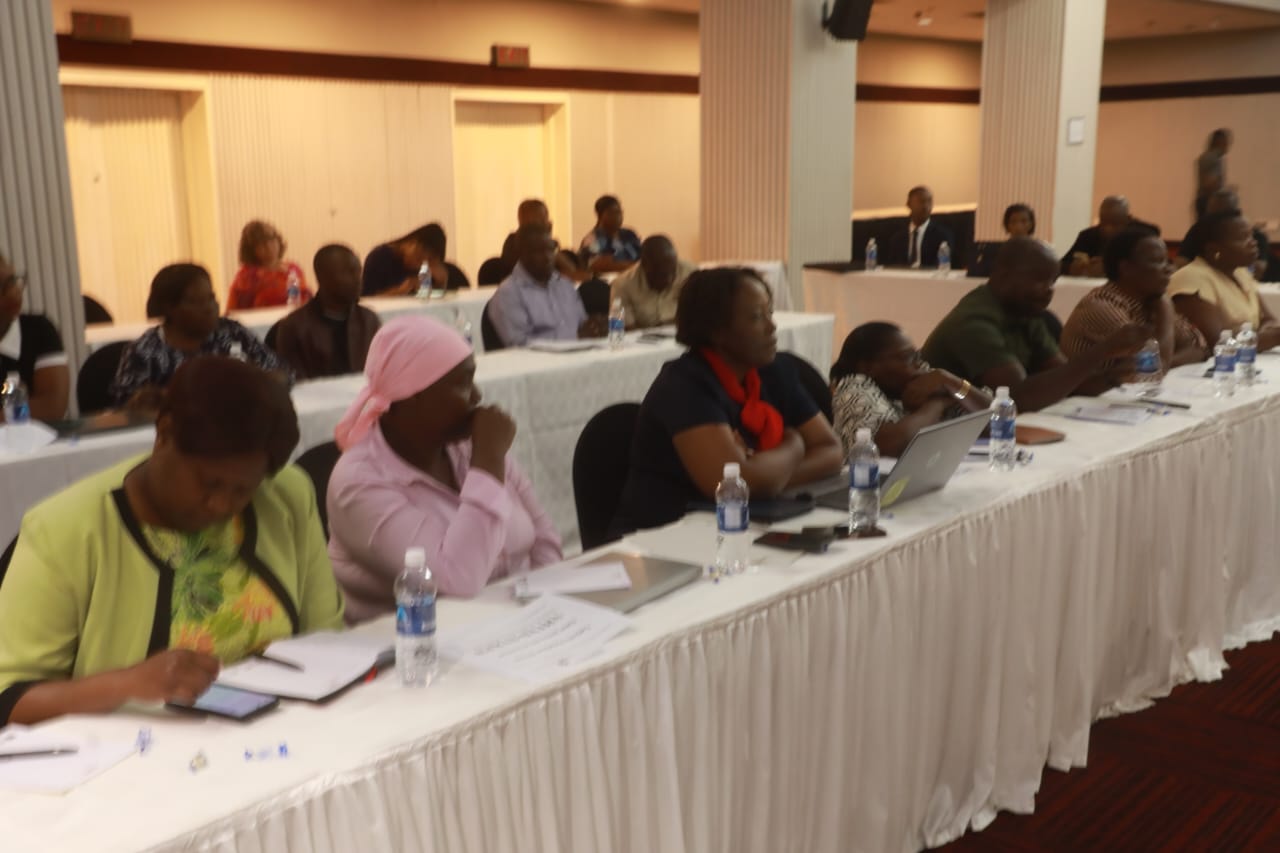
Ms Mlambo, made the remarks during the 2026 Residential Child Care Facilities Review Meeting in Bulawayo on Monday, which brought together Government departments, local authorities and representatives of institutions involved in child protection.
She said residential child-care facilities were expected to comply with the National Residential Child Care Standards (NRCCS), which were introduced to standardise and regulate the care and protection of children in institutions countrywide.
The standards are anchored on the Children’s Act (Chapter 5:06), the National Orphan Care Policy and international child-protection frameworks, including the United Nations Convention on the Rights of the Child and the African Charter on the Rights and Welfare of the Child.
Ms Mlambo said the best interests of children must remain the primary consideration in decisions affecting them, while children should be given an opportunity to participate in matters concerning their welfare.
The standards also prohibit discrimination based on factors including HIV status, disability, religion, ethnicity and gender.
“All children within institutions are formally identified, placed and committed by a Child Protection Officer in terms of Section 2 of the Children’s Act and Children’s Amendment Act,” she said.
Bulawayo’s residential care network includes Thembiso Children’s Home, SOS, Isaiah Umuzi Wothando, Emthunzini Wethemba Children’s Home, Mustard Seed, St Francis, Queen Elizabeth and Sandra Jones, while Government operates Percy Ibbotson Hostel, Luveve Training for Girls and John Smale Children’s Home.
Two of the private institutions, Mustard Seed and St Francis, cater for children with disabilities.
Ms Mlambo said the city also has specialised schools providing education and life skills to children with disabilities, including Jairos Jiri, John Slaven, Simanyane, Sibantubanye, Riverside and King George.
She said Percy Ibbotson Hostel and Luveve Training School for Girls played a rehabilitation role, dealing with children requiring behavioural transformation and those in conflict with the law.
While private institutions complement Government efforts, Ms Mlambo stressed that they remained legally and morally responsible for ensuring children under their care received basic services necessary for their wellbeing.
“Private institutions complement Government efforts and are legally and morally obligated to provide a safe, nurturing environment that meets all the children’s basic needs, including adequate nutrition, sanitation, healthcare and education,” she said.
The ministry supports private institutions through monthly supplementary grants and food supplements, while also conducting routine inspections and monitoring the welfare of children.
Ms Mlambo said payment of supplementary grants had been consistent this year. She said the annual review meeting provided an opportunity for stakeholders to assess achievements, identify gaps and make recommendations for strengthening child protection.
Child protection remains a key component of the Second National Development Strategy (NDS2), under the Social Development, Gender and Social Protection priority area.
Ms Mlambo urged stakeholders to use the review meeting to strengthen the systems protecting children and ensure institutions remained focused on the welfare and development of every child in their care.
“I would like to commend all of you for your continuous technical and financial support, which has been vital for safeguarding children in our institutions and protecting them,” she said.
Stakeholders representing residential child-care institutions, however, called on Government to increase funding and strengthen its responsiveness to challenges affecting facilities, particularly those requiring intervention from local authorities.
They said while institutions were expected to comply with national child-care and health standards, inadequate financial resources and delays in securing assistance from local authorities could make it difficult for some facilities to address infrastructure, sanitation, water, waste management and other health-related requirements.
They said Government support should go beyond supplementary grants and food assistance to include stronger coordination with local authorities so that issues affecting the safety and wellbeing of children were addressed without delays.
The participants called for increased funding to enable institutions to maintain buildings, improve sanitation facilities, access reliable water supplies, undertake repairs and meet other standards required by health and social welfare authorities.
They said residential child-care facilities remained important partners in Government’s child-protection programmes and should therefore be adequately resourced to meet the standards expected of them.
Stakeholders further called for greater visibility of responsible Government departments when institutions encountered challenges requiring urgent intervention from councils and other public agencies.
They said delays in resolving issues such as refuse collection, sewerage, water supplies, building maintenance and environmental health could directly affect children living in the facilities.
The stakeholders welcomed the National Residential Child Care Standards, but said their effective implementation required adequate financial and technical support.
They said the welfare of children should remain the priority and urged Government to ensure that institutions entrusted with their care were not left struggling to meet standards because of resource constraints.