Online Reporter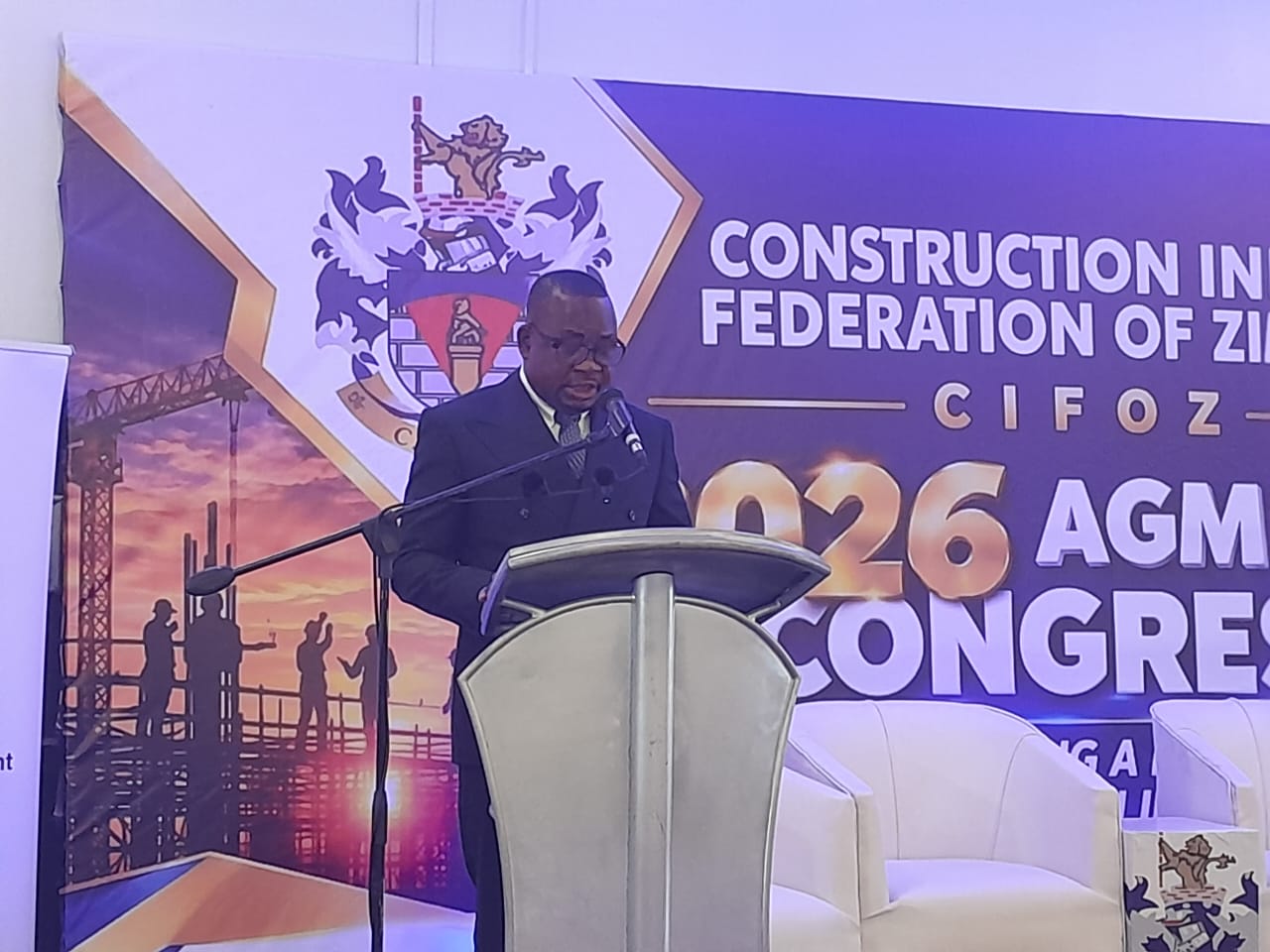
Sikhulekelani Moyo [email protected]
GOVERNMENT has challenged the construction industry to help deliver at least one million houses in the next five years under the National Development Strategy 2 (NDS2), saying infrastructure is the physical expression of national ambition.
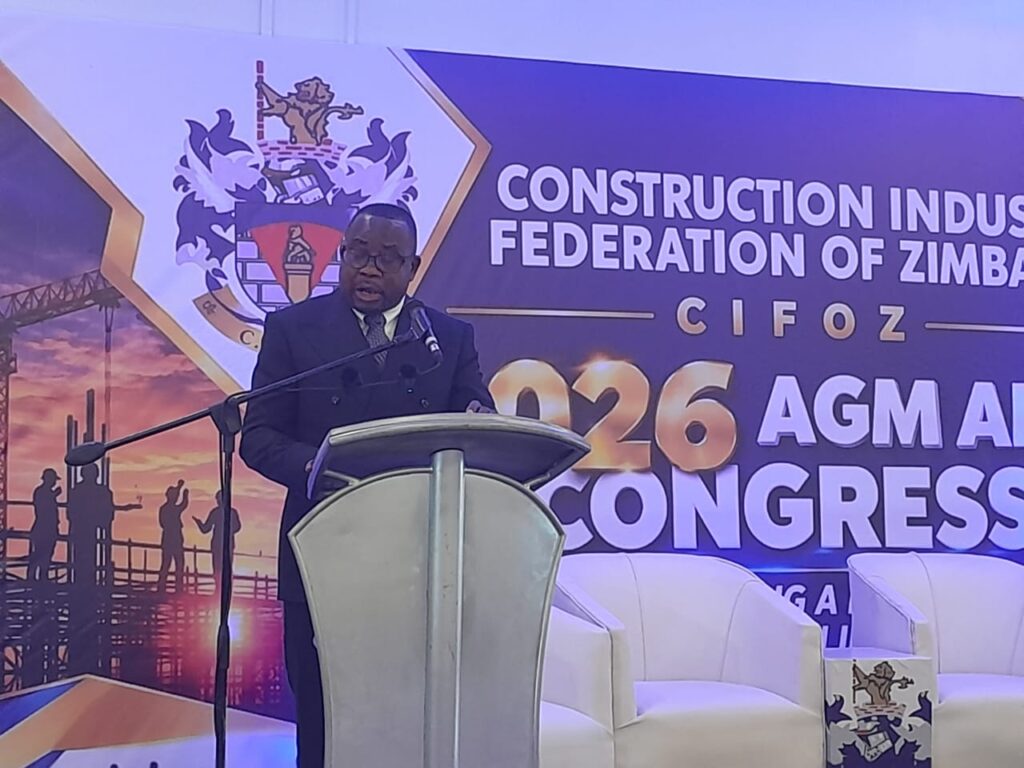
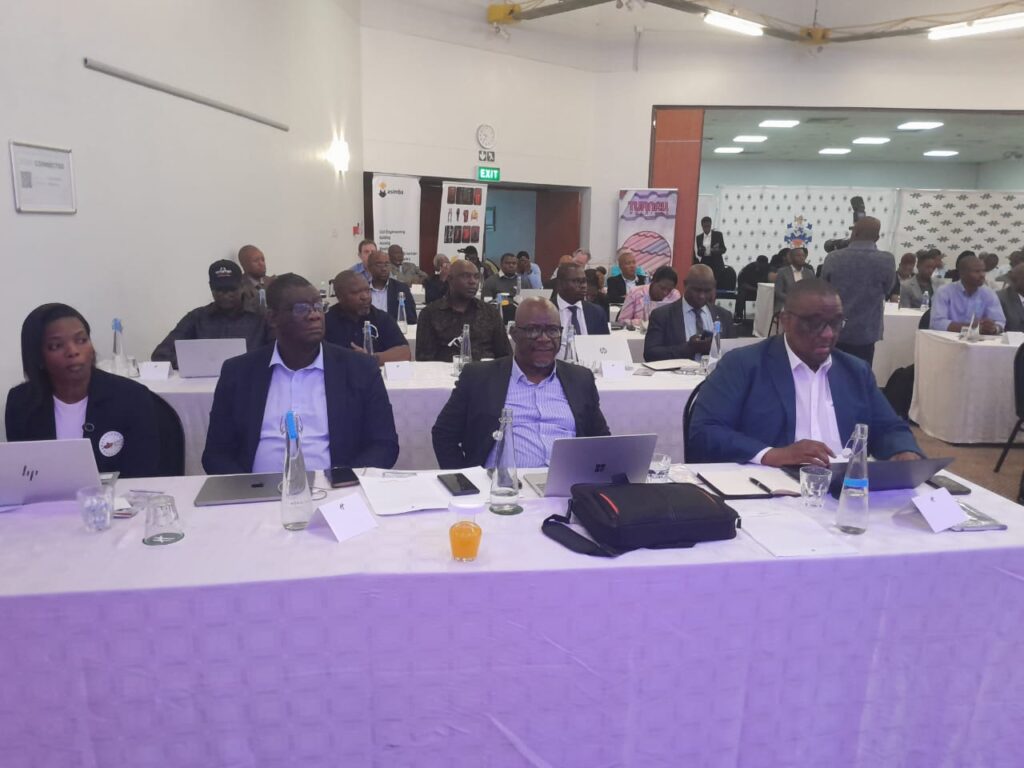
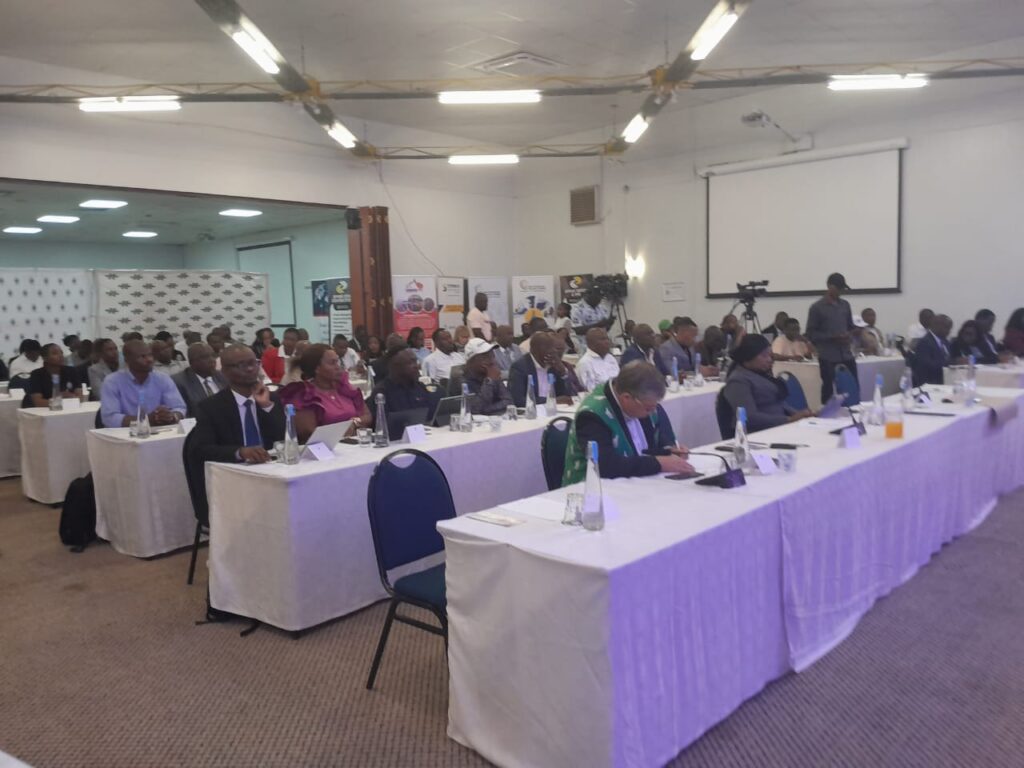
Officially opening the Construction Industry Federation of Zimbabwe (CIFOZ) Annual General Meeting and Congress, Minister of National Housing and Social Amenities Professor Paul Mavima said construction was not just about concrete, steel and bricks, but a strategic driver of socio-economic transformation.
“Construction is therefore an economic lifeline. Every housing project stimulates demand for cement, steel, bricks, timber, transport, engineering, and professional services.
“Every road connects markets. Every industrial facility expands production capacity. Every school develops human capital,” said Prof Mavima.
He said the sector must translate national vision into deliverables through two stages of construction.
“The first construction takes place through our vision, our policies, our plans. The second is through the hands of engineers, of architects, of contractors, artisans, manufacturers, financiers, regulators, and communities,” he said.
Prof Mavima said Government’s philosophy of “Nyika Inovakwa Nevene Vayo / Ilizwe Lakhiwa Ngabanikazi Balo” was now more than a slogan, calling for national ownership where Government provides leadership and an enabling environment, the private sector brings investment, innovation and efficiency, professionals bring knowledge and integrity, workers bring skills and communities bring participation.
He said under NDS1, Government achieved one million housing units when combining State-led and private sector developments, and the same collaborative model was needed to achieve the NDS2 target of one million houses.
“I will never be able to get the money that I need to deliver the one million houses. At most, I could provide a few flats here and there. But with your participation, we can deliver the one million,” he told contractors.
“That target requires collaboration between Government, the private sector, local authorities, financial institutions, developers, professionals, manufacturers, and communities.”
The Minister urged local contractors to form joint ventures, consortia and strategic partnerships to build financial and technical capacity to undertake major projects at home and compete regionally.
“Look at China, the way they are claiming wealth from all over the world by selling everything to the world. Zimbabwe should have this hunger to sell to other nations. The capacities that you are building here as members of CIFOZ should, sooner rather than later, be sold elsewhere so that we can build the wealth of our nation,” he said.
“When South Korea built South Korea, most cities there were built by South Koreans. That helped to move South Korea from being a poor country to being one of the top economies in the world.”
Prof Mavima warned against sacrificing quality for scale, saying Zimbabwe cannot be built on shortcuts.
“We must move from a culture of construction at any cost to a culture of quality construction with lasting value. A defective building can threaten human life. A poorly constructed road becomes an economic cost. A housing development without adequate roads, water, sanitation, and social amenities is not a complete human settlement,” added Prof Mavima.
He said ethics was the foundation of professionalism and called on the industry to reject corruption, collusion, inflated costs and substandard materials.
“Every tender that is awarded, every certificate that is issued, materials specified, and project supervision carries a responsibility,” said the Minister.
Housing, he said, was not merely a commodity but was about human dignity, and the industry must commit to affordable homes for teachers, nurses, artisans, civil servants and young professionals.
Prof Mavima challenged contractors to innovate to build faster and cheaper to address a housing backlog of about 1.5 million.
“We must embrace modern construction technologies, alternative building methods, modular construction, digital design, and green technologies that reduce costs, improve quality, and accelerate delivery,” said Prof Mavima.
He said Government was moving from the outdated 1977 building by-laws to a modern unified National Building Code to improve safety, resilience and sustainable construction.
“As CIFOZ, you are not just contractors. You are partners in national development. You are building modern houses, you are building communities, you are building modern roads, you are connecting people to opportunity, you are building modern schools and clinics, you are building human capability and ultimately you are building a Zimbabwe we will pass on to the next generation. That is the true meaning of brick by brick,” said Prof Mavima.