Business Reporter
THE Government has reaffirmed that economic diplomacy and export-led industrialisation are central to its development agenda, urging local companies and foreign buyers to forge sustainable commercial partnerships.
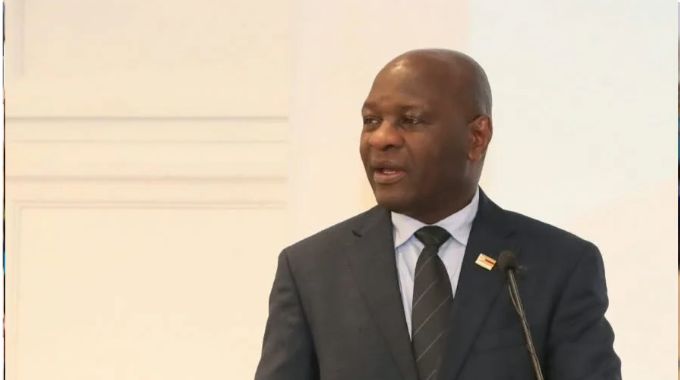
Speaking at the second leg of the Buyers Seminar in Harare on Wednesday, Permanent Secretary for Foreign Affairs and International Trade Ambassador Albert Chimbindi said export promotion remains a core pillar of the country’s foreign policy framework.
The initiative, opened with engagements in Bulawayo on Monday and hosted by the national trade development and promotion agency ZimTrade with the backing of the African Export-Import Bank (Afreximbank) and Stanbic as anchor sponsor, seeks to link Zimbabwean producers directly to regional and international supply chains.
Ambassador Chimbindi stressed that foreign policy must yield concrete commercial results aligned with the government’s Vision 2030 and National Development Strategy 2.
“Economic diplomacy is no longer a complementary aspect of foreign policy; it is central to our engagement with the international community,” he said.
He added that the global trade environment is rapidly evolving and urged domestic manufacturers to move away from exporting unrefined primary commodities towards high-value, processed goods.
“The future of Zimbabwe’s export growth lies in value addition and beneficiation,” said Ambassador Chimbindi.
He highlighted major trade breakthroughs, including expanded duty-free market access under China’s zero-tariff framework for African nations, established export protocols for agricultural produce such as blueberries and the commissioning of a state-of-the-art honey testing laboratory to meet international export certification standards.
Encouraging participating firms to capitalise on regional frameworks like COMESA and the African Continental Free Trade Area (AfCFTA), Ambassador Chimbindi urged attendees to translate initial business engagements into binding commercial agreements.
“Together, let us transform business conversations into contracts, partnerships into prosperity, and trade opportunities into sustainable economic growth.”