Online Reporter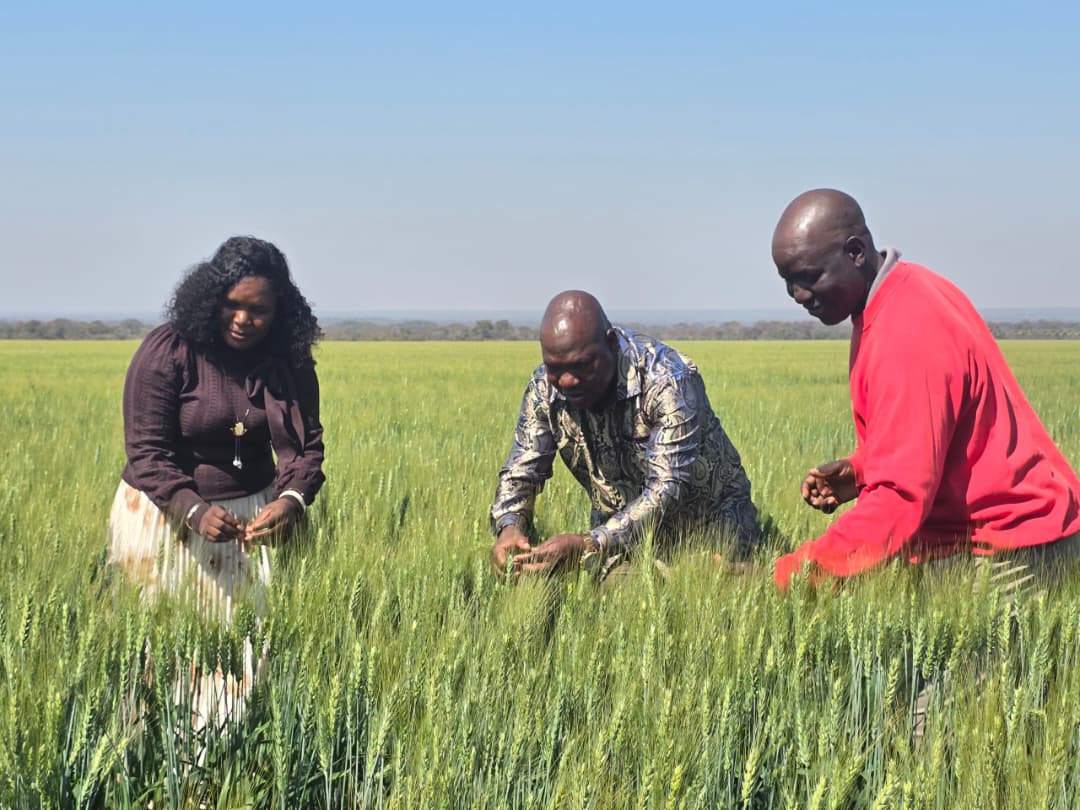
Theseus Shambare recently in MAPHISA
PARLIAMENT has called for increased resourcing of the Agricultural and Rural Development Authority to enable the State-owned landholder to fully use its estates and expand food production.
An oversight visit to ARDA Antelope Estate in Maphisa, Matobo District, Matabeleland South, by the Parliamentary Portfolio Committee on Lands, Agriculture, Fisheries, Water and Rural Development observed strong wheat production at the estate last Friday, where ARDA planted 633 hectares of winter wheat expected to yield above eight tonnes per hectare.
Committee chairperson, Felix Maburutse, said the performance at Antelope Estate demonstrated ARDA’s capacity to independently drive large-scale agricultural production while supporting Zimbabwe’s strategic grain reserve.
He said the Government should prioritise resourcing ARDA estates so that they operate at full capacity and complement efforts by private farmers and smallholder producers in ensuring national food security.
“ARDA has good capacity to use all their estates on their own. What we would advise Government is to resource ARDA so that they can operate with their estates at full capacity while at the same time assisting our small farmers,” said Maburutse.
The production levels being achieved at Antelope Estate were evidence that State-owned farms could play a critical role in transforming Zimbabwe’s agricultural sector.
“On this farm, if you are talking of getting seven tonnes and above per hectare, that is a very good figure to talk about in serious business,” he said.
ARDA Matabeleland regional agronomy manager Mr Ndodana Ncube said the estate had planted 633 hectares of wheat and planting was completed on April 18.
The crop was already approaching maturity, and harvesting was expected to begin at the end of next month.
“We are optimistic that we are going to reach above eight tonnes per hectare, which will be a massive contribution towards the strategic grain reserve from ARDA Antelope Estate,” said Mr Ncube.
He attributed the strong crop performance to favourable conditions, including adequate water supplies following good rains received last season and improved irrigation reliability.
Antelope Dam was full, allowing the estate to irrigate without restrictions throughout the season.
“This year we were lucky because we received rain up to late April. Some of the wheat that was planted in April germinated through natural rainfall, and that moisture remained adequate as a reserve in the soil,” he said.
With Zesa now supplying power without load shedding, irrigation farmers are assured of keeping their systems going.
Faults were attended to very quickly.
“Most wheat-growing farms in Matabeleland South were ring-fenced such that whenever there was a fault, communication was made to ZESA and the response was quick,” he said.
Maburutse said ARDA’s partnerships with private investors through joint ventures were also improving production across the authority’s estates.
He, however, noted that Antelope’s performance showed that ARDA had the capacity to operate independently and maximise production from its own land.
“Joint ventures are good, but ARDA has proved it can plant 633 hectares on its own, which is encouraging,” he said.
The visit formed part of an eight-day committee oversight tour of ARDA estates and supported farms across Zimbabwe’s eight rural provinces.