Online Reporter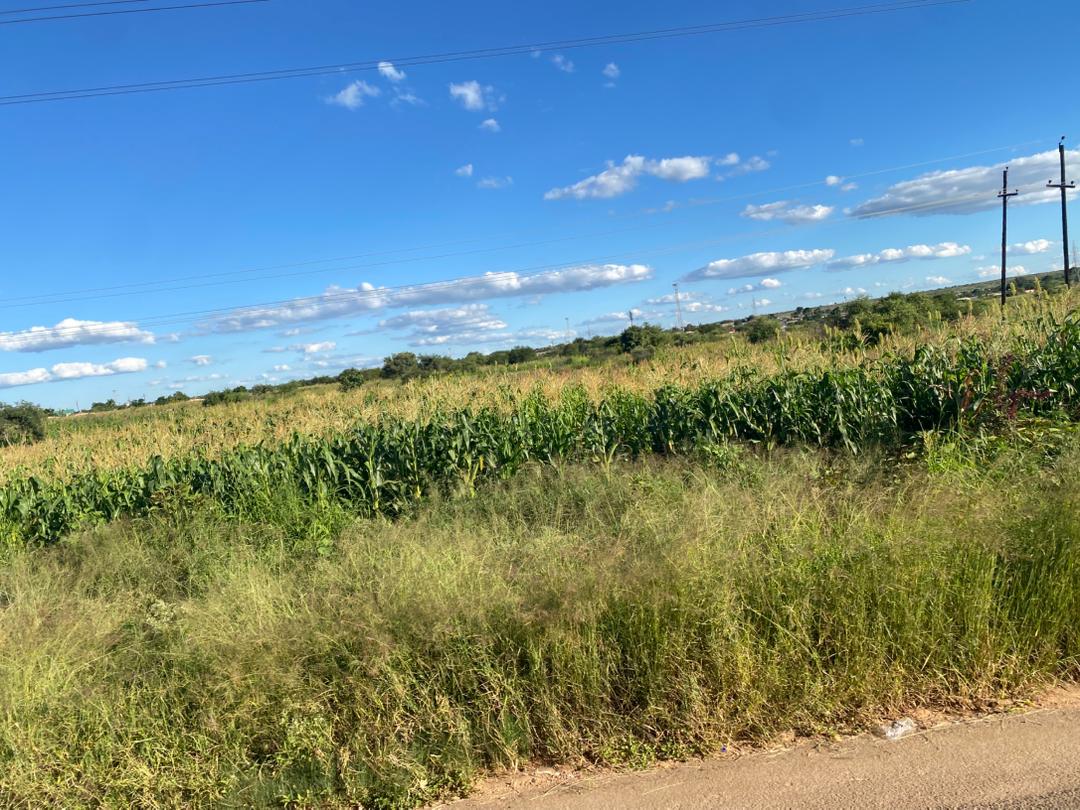
Christopher Nyika [email protected]
ACROSS the city’s open spaces and in the backyards of many homes, maize crops are standing tall, their tassels turning golden as they approach harvest time. What was once idle land has now been transformed into thriving green fields, a clear testimony to the hardworking spirit of Zimbabweans who believe in living from the sweat of their brows.
Under clear blue skies, residents can be seen checking on their crops, carefully inspecting the cobs that are almost ready for picking. In high-density suburbs and along open stretches of land, families have taken it upon themselves to ensure that no space goes to waste. For many, farming is not just an activity but a way of life deeply rooted in the country’s culture.
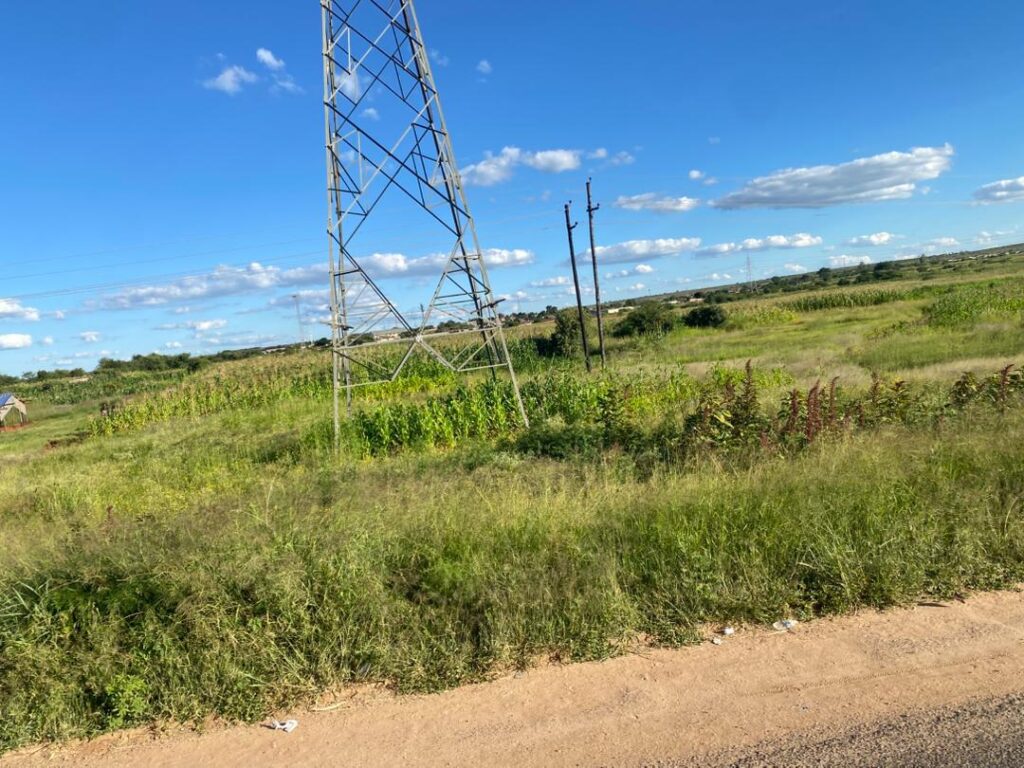
Residents say they do not wait to be allocated large farms to produce food. Instead, they make use of every available space around them to secure their families’ future. “Zimbabweans are naturally farmers,” Bongani Ndlovu said while standing proudly beside his maize crop. “We don’t wait to be given land. If there is space, we plant. Our children must eat from our sweat.”
Some families expect to harvest up to 15 bags of maize from small open fields and backyard plots. Others say they no longer remember when they last bought mealie-meal from shops because their harvests have been enough to sustain them throughout the year. The sight of the nearly mature crops has brought a sense of pride and relief to many households who see the harvest as both food security and independence.
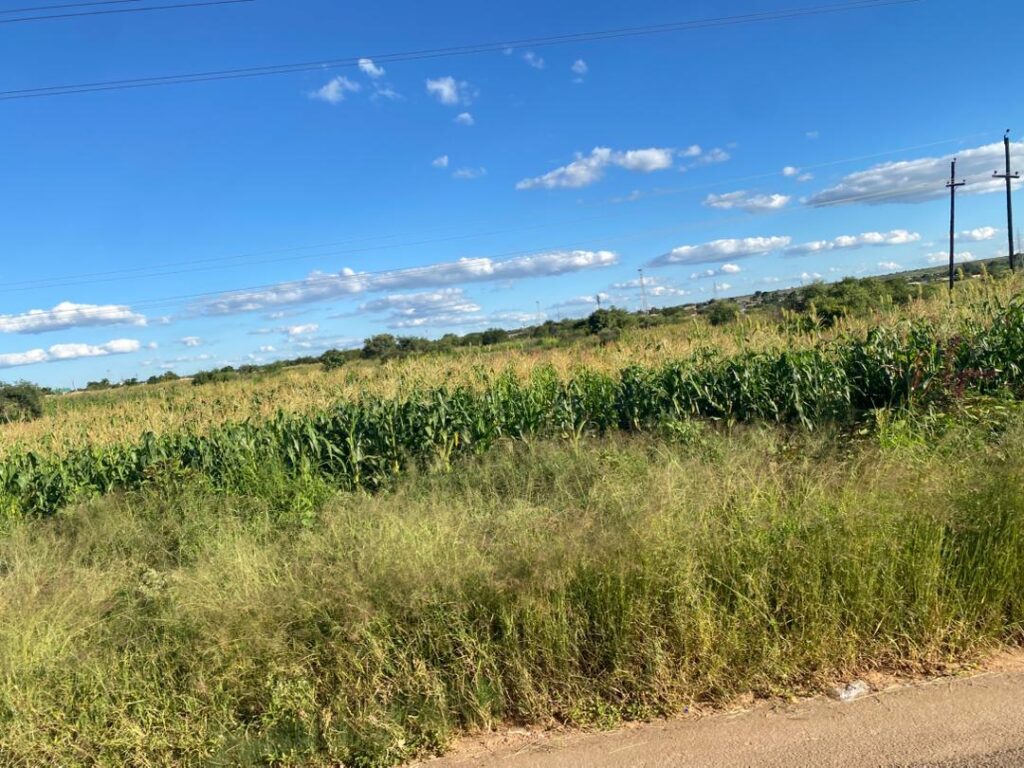
Beyond easing financial pressure, residents say consuming fresh food from their own fields is healthier and more satisfying. Harvesting maize and vegetables straight from the backyard ensures that families eat fresh, chemical-free produce, improving their nutrition and overall well-being.
As the crops near harvest, the green scenery scattered across the city tells a powerful story of resilience, determination and cultural identity. In Zimbabwe, farming remains more than an economic activity — it is a tradition passed from one generation to another. Wherever there is land, Zimbabweans plant. And wherever they plant, they reap.