Online Reporter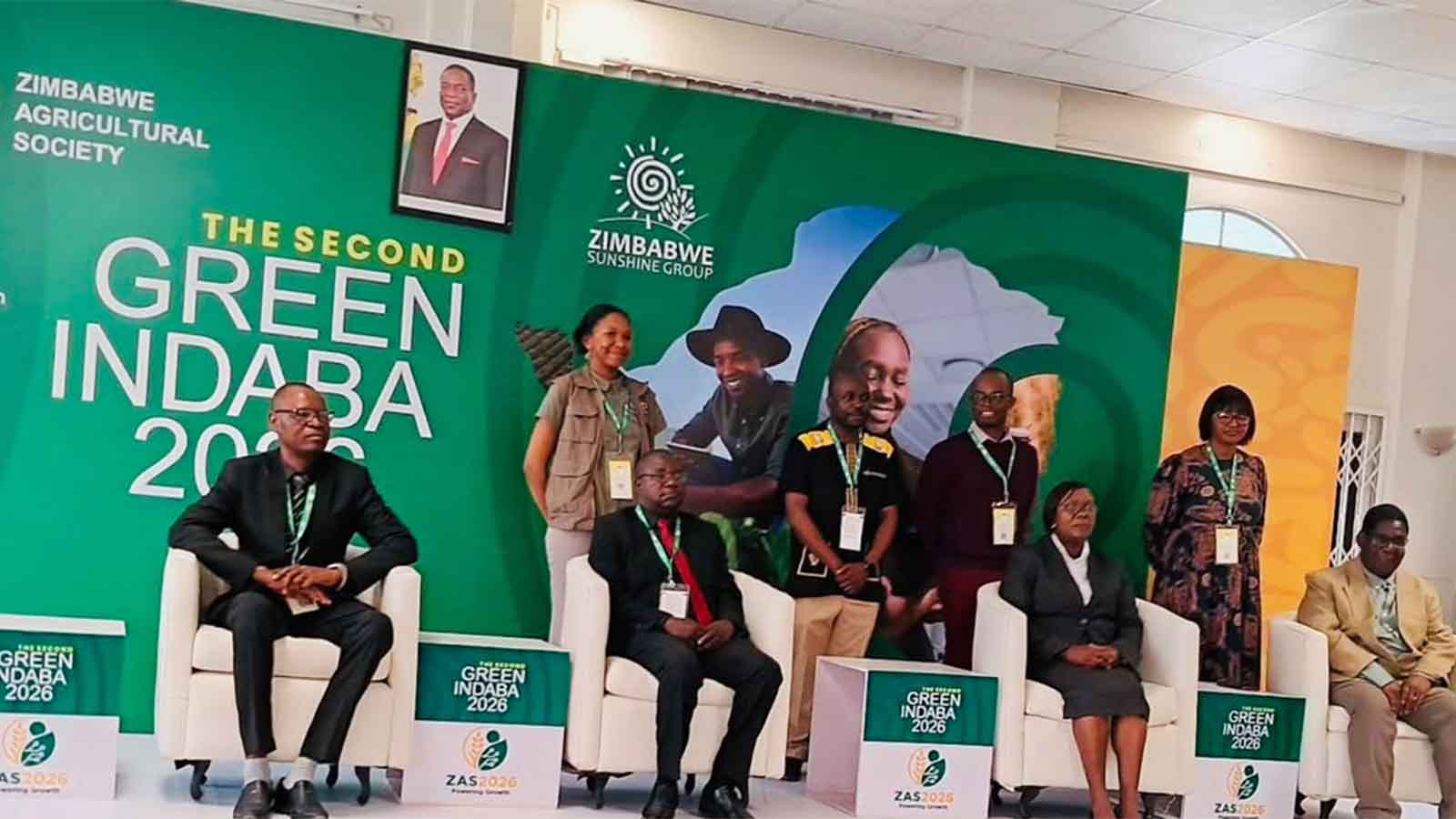
Herald Reporter
COMMUNITIES, research and commerce must converge to drive inclusive and sustainable urban development, stakeholders said at the second edition of the Green Indaba held at the Zimbabwe Agricultural Show on Monday.
The indaba, held at Andy Miller Hall, brought together Government, the City of Harare, researchers, development partners, civil society, the private sector, young people and grassroots organisations under the theme: “Powering Inclusive Growth: Communities, Research and Commerce Converging for Sustainable Urban Development.”
The event was anchored on action research being undertaken through the African Cities Research Consortium (ACRC), a major urban research initiative led by the University of Manchester, with its implementation phase covering five African cities — Accra, Harare, Kampala, Lagos and Nairobi.
The five-city approach allows researchers and communities to compare experiences, share evidence and cross-learn what works in tackling complex urban challenges.
In Harare, the research includes a community-led waste-management initiative in Dzivarasekwa Extension, led by Zimbabwe Sunshine Group (ZSG), which is working with Dialogue on Shelter and waste pickers organised under the Zimbabwe Homeless People’s Federation.
ZSG co-founder and chief operating officer Mr Cliff Chivanga said the initiative was deliberately ensuring that communities were not merely subjects of research, but active researchers and beneficiaries.
“The important change is that communities are no longer being treated merely as subjects of research,” he said.
They are becoming researchers themselves, generating evidence from their lived experience and helping to shape the solutions that are ultimately implemented.”
Waste pickers were trained as community researchers and rewarded for their contribution, while evidence generated through the process is informing the construction of a community waste transfer station.
Mr Chivanga said the project was also creating local economic opportunities, with community artisans, including bricklayers, being employed by the contractor and local procurement helping to keep investment within Dzivarasekwa.
“The infrastructure is important, but equally important is who benefits from its construction. Local artisans are being employed and goods are being procured locally, meaning that part of the investment remains within the community,” he said.
ACRC identifies ZSG as the lead agency for the Dzivarasekwa project, which seeks to establish a community-led waste transfer centre managed by women and young people as part of a circular-economy model.
ZSG head of programmes Ms Claris Mandoreba said waste pickers were providing an essential environmental service and should be recognised as important actors in building cleaner, climate-resilient cities.
“Waste management becomes sustainable when communities are able to see themselves in the solution,” she said.
“They need the skills, infrastructure and economic opportunities to participate meaningfully, rather than simply being told what to do.”
The initiative is also combining training with income generation, with waste pickers at the Agricultural Show receiving training before undertaking paid practical waste-picking work and earning from recyclable materials.
Mr Chivanga said the Green Indaba itself represented a new approach to urban dialogue, with grassroots participants given a central role in panel discussions and Shona used during one session.
“We wanted the ordinary people who are doing the work every day in their communities to have the opportunity to speak for themselves, rather than having other people speak on their behalf,” he said.
He said the conference had also moved from simply proposing solutions to presenting evidence from interventions already being tested.
“We are moving from asking what solutions might work to bringing evidence of solutions that are already being tested. That evidence can then inform policy, investment and decisions by local authorities,” he said.
Permanent Secretary in the Office of the Minister of State for Harare Provincial Affairs and Devolution, Dr Shingirayi Mushamba, whose speech was delivered by Director of Economic Affairs and Investment Mrs Spiwe Nyamatore, said sustainable urban development was critical to achieving Vision 2030.
He said rapid urbanisation had exposed cities to informal settlements, infrastructure deficits, water and sanitation challenges, poor waste management and climate-related risks, but urged stakeholders to regard these challenges as opportunities for innovation.
“The success of a platform such as this cannot be measured by the number of presentations made or reports produced,” he said.
“Its real value lies in whether the evidence influences policy, planning, investment and the decisions made by local authorities.”
Zimbabwe Agricultural Society chief executive officer Mr Rufaro Gunundu said the Indaba had moved beyond discussion to action.
“We are not gathered simply to talk. We are here to act. Our cities are engines of Zimbabwe’s future, but growth without inclusion is not progress, and growth without sustainability cannot be considered meaningful growth,” he said.
With ACRC enabling cross-city learning between Accra, Harare, Kampala, Lagos and Nairobi, organisers said the Green Indaba demonstrated how locally generated knowledge could be connected to wider African experience, investment and policy to build more inclusive and resilient cities.