Andrew Mangwarara
AVOCADOS are brisk business in many cities and towns across the country.
It is not unusual to see cars slow down as drivers ask from their open windows, “How much are those avocados?”
People from all walks of life enjoy this delicious fruit, especially alongside their morning tea or coffee. Originally from Mexico, the avocado (persea americana) was first introduced to Southern Africa in the late 1800s.
Today, it is considered one of the most nutritious fruits on the planet, packed with more than 25 essential nutrients.
It is a rich source of vitamins A, B, C, E and K, as well as copper, phosphorus, potassium, iron and magnesium.
The fruit is also laden with protein, fibre and beneficial plant compounds such as beta-sitosterol, glutathione and lutein, which help protect the body against disease.
If you are looking to manage your weight, the avocado is an excellent dietary choice.
It contains around 200 calories per 100g, compared to 60 to 80 calories per 100g in many other fruits. The calories provided by avocados are healthy, as they come without excess sugars.
Beyond general nutrition, avocados offer a wide range of specific health and wellness benefits.
Avocados help eliminate bad breath by cleansing the digestive tract, which is often the root cause of a coated tongue and unpleasant breath. They are also well known for moisturising properties — avocado oil nourishes the skin and gives it a healthy glow.
While pure avocado oil can be expensive, you can use the raw, ripe fruit or even the inner side of the peeled skin directly on your face, leaving it overnight for a natural treatment.
Avocado oil is also used to help soothe psoriasis, a condition that causes red, itchy patches on the skin.
Studies suggest that compounds in avocados, including oleic acid, help inhibit the growth of certain cancer cells, particularly in prostate and breast cancers.
Furthermore, high levels of folate, potassium and healthy fats help lower cholesterol, regulate blood pressure, support heart and eye health, boost the immune system and reduce the risk of stroke.
Adding avocado to meals enhances the body’s ability to absorb fat-soluble nutrients from other foods.
Growing and cultivating avocados
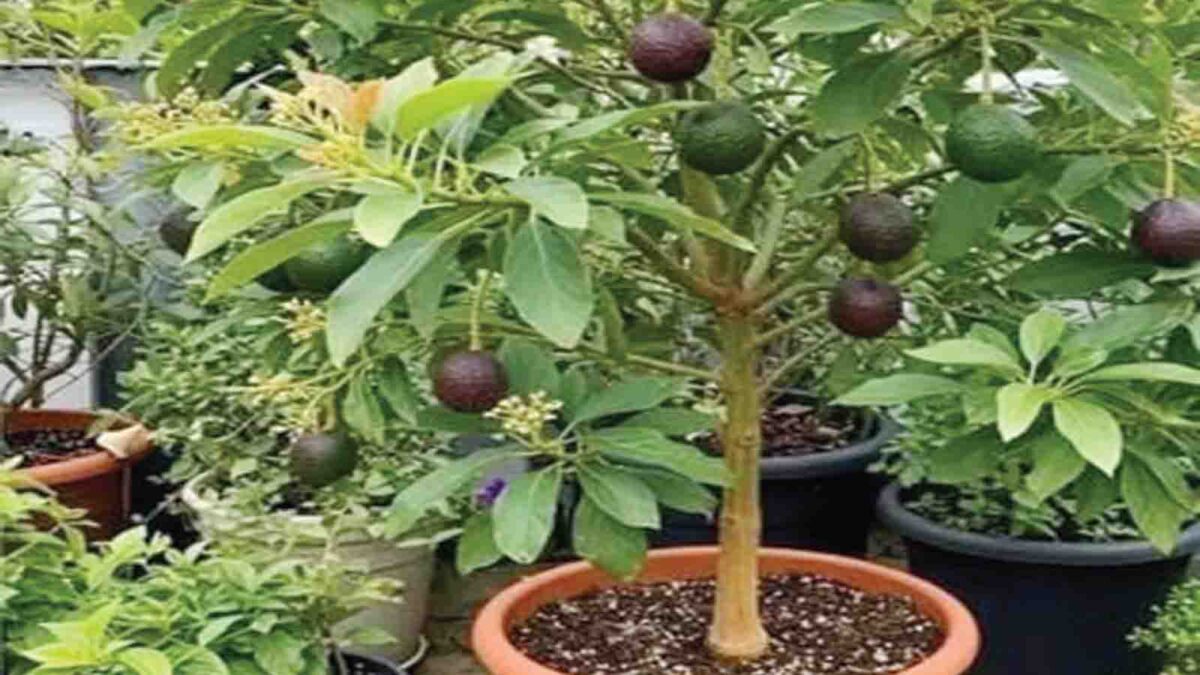
To grow your own avocado tree at home, you can use the classic window-sill method.
Insert toothpicks into the side of an avocado seed, suspend it over a glass of water
so the base is submerged and top up the water as needed until roots and sprouts appear.
For fruit production, graft young trees using scions from established varieties such as hass or fuerte.
In Zimbabwe, avocados thrive primarily in the Highveld region, preferring cool tropical and subtropical conditions with mean daily temperatures between 20°C and 24°C.
They require an annual rainfall of around 1 000mm, meaning supplementary irrigation is essential in drier areas.
Avoid fertilising very young trees too early.
Once established, apply equal portions of nitrogen and potassium split across the eight warmer months of the year.
Apply micronutrients such as zinc and boron as foliar sprays.
Most avocado pests are kept in check by natural predators. Fruit flies can be managed effectively using bait stations.
Be cautious of phytophthora root rot, which typically arises from poor soil drainage, over-irrigation or trunk damage.