Online Reporter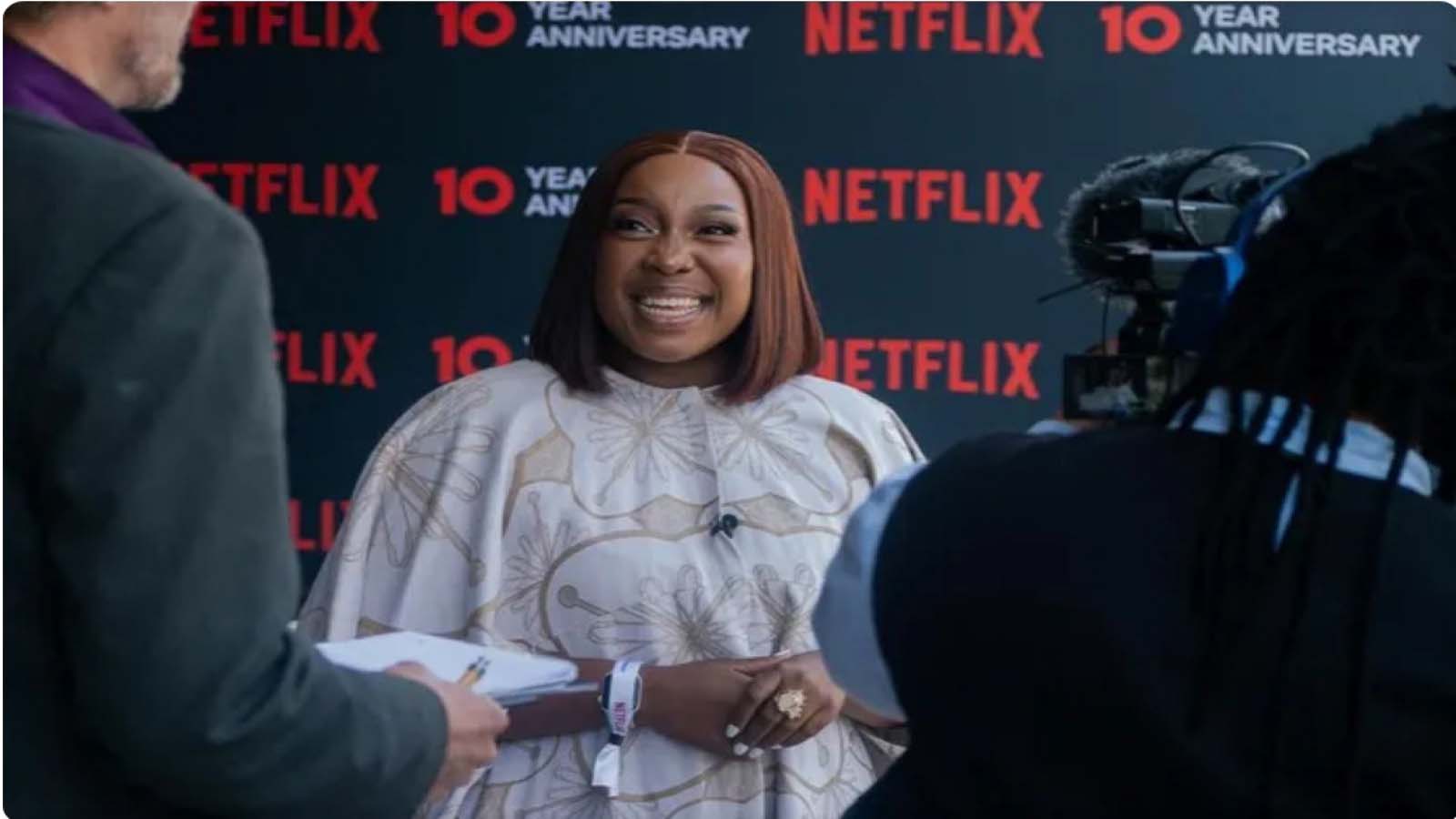
For Gugu Zuma-Ncube, co-founder of Stained Glass TV, the success of a television show is only part of the story.
The real reward, she says, is seeing people grow from finding their feet in the industry to taking on positions they may once have only dreamed of.
Speaking to IOL at the Netflix 10 Year anniversary press event, Zuma-Ncube reflected on the highlights of building Stained Glass, the lessons learned from “Uzalo” and the importance of creating stories that resonate with South African audiences.
At the press showcase event, Zuma-Ncube was part of a panel discussion on the “Netflix Effect” and its impact on our stories, talent and the growth of the local industry.
“It’s a blessing for me to be able to do what I love and then also make a way for other people to do what they love,” she said.
“Finding talent, be it in front of or behind the screen, is something that we’re very passionate about at Stained Glass.”
‘The SABC needs to come back’
On the state of the industry, Zuma-Ncube said stronger support mechanisms are needed to ensure productions can continue to grow.
“I really wish that we’d get ourselves together. I really wish that the funding mechanisms and how we are able to support productions and the arts sort of increase,” she said.
She also highlighted the importance of the SABC as a training ground for South African creatives.
“I know this is not an SABC event, but I think the SABC needs to come back. It is the engine that grows us as creatives.”
“There’d be nobody working for Netflix if it wasn’t for the SABC. Most of us started there and were trained, were given opportunities there.”
For Zuma-Ncube, a stronger public broadcaster is essential to the continued growth of the local television industry.
“We need the SABC to work. We need government to really pay attention to that so that the engine carries on and that the industry can grow and thrive and become bigger.”
‘It’s a place for absolute growth’
While Stained Glass has become known for its productions, Zuma-Ncube said the company’s greatest achievement is the impact it has had on people’s careers.
“The thing that I’m the most proud of is just what it’s done for people’s lives, the growth that people have had,” she said.
“No one comes to Stained Glass into a position and stays there. We all grow. We all do more.”
She pointed to examples of employees who have moved into more senior roles as evidence of the opportunities the company aims to create.
“We’ve had cleaners that have become line producers. We’ve had unit assistants that have become creative directors. It’s a place for absolute growth, and I’m so proud of that.”
‘The work done in the development room can’t be replaced’
Zuma-Ncube also reflected on the success of “The Polygamist”, Stained Glass’ Netflix collaboration, and the importance of developing strong characters and stories before they reach the screen.
“The work that was done in the development room, when we were writing the story and we were writing the characters, can’t be replaced,” she said.
“That’s really where Jonasi was born. That’s where most of the characters were born. That’s where the story really came alive.”
She credited the space given to the creative team during development as an important part of the process.
“To work with a partner like Netflix that allows you room and space and time in that development room is really, really a blessing.”
Ultimately, she said, the response to the show was a reflection of the personal experiences brought into its creation.
“We all brought our experiences, our lives, our essences into it, and to then put that in there and have the world receive it the way they did, we’re forever grateful.”
‘With every production, you learn more’
Looking back at “Uzalo”, one of Stained Glass’ early successes, Zuma-Ncube acknowledged that the production was also a learning experience.
“We were young. It was our first one, so a lot of mistakes were made along the way, but there was such grace from the audience,” she said.
The show quickly found its audience and went on to become one of South Africa’s most watched television dramas.
“They made us number one within the first two months or so that we had been on air, and we stayed there for a decade, basically.”
For Zuma-Ncube, the journey from that first production to the company’s current work has been one of constant growth.
“With every production, you learn more, you get better, you get sharper,” she said.
“I’m so glad to be here 10 to 12 years on and making some mistakes still, but hopefully a lot less and getting sharper as we go.”
‘They come in for a story, they stay for a story’
Having worked across free-to-air television, pay TV and streaming, Zuma-Ncube said the industry’s changing viewing habits have made adaptability essential.
“You need to be cognisant about your audience and how they change depending on where they’re viewing,” she said.
For her, however, the fundamentals of storytelling remain unchanged.
“Your audience, ultimately, everybody comes in for a story. They come in for a story, they stay for a story, so make sure that that’s tight, and then you can do your little tweaks depending on where you are and what that audience expects and needs.”
‘Our government is sleeping on the film industry’
Zuma-Ncube also spoke about the role television and film can play in showcasing South Africa to the world.
Reflecting on the country’s tourism potential, she said the industry’s influence extends beyond entertainment.
“Sometimes I feel like our government is sleeping on the film industry a little bit. There’s such power,” she said.
“You think of people all around the world, and those tourism dollars and stuff that come in, it’s a privilege for us to feel like, in some way, we’re contributing to our GDP.”
She also called for greater investment in the creative sector, arguing that the returns can extend well beyond the initial funding.
“The more people appreciate what this industry can do, the more that they see that what they’re investing comes back a hundredfold.”
‘Women have always been the moment’
Reflecting on seeing more women, particularly Black women, represented in leadership positions across the industry, Zuma-Ncube said the change was welcome, but long overdue.
“Women have always been the moment. They’ve always been it,” she said.
“The fact that people are now waking up to the fact, we’re happy, but we’ve always been here. We’ve always known what we bring to the table, and I’m glad that people are appreciating and understanding that too.”
Her approach to leadership, she added, is rooted in respect and enjoyment.
“There’s a reason some of us dropped out of law. There’s a reason some of us didn’t go into engineering or medicine. We want to have fun.”
“We get to do what we love.”
‘More, more and more’
Looking ahead, Zuma-Ncube said Stained Glass’ ambitions remain centred on creating more opportunities and telling more stories.
“More shows, more empowerment, more practitioners, more new actors, just more, more and more,” she said -IOL.