Rutendo Nyeve in VICTORIA FALLS
THE Gukurahundi Community Outreach Programme is nearing a critical stage, with traditional leaders expected to assess progress made so far and come up with a way forward.
The hearings, which began in June last year, are being led by traditional leaders across Matabeleland North and South provinces.
The programme was launched by President Mnangagwa in July 2024 as part of a home-grown response to the 1980s disturbances.
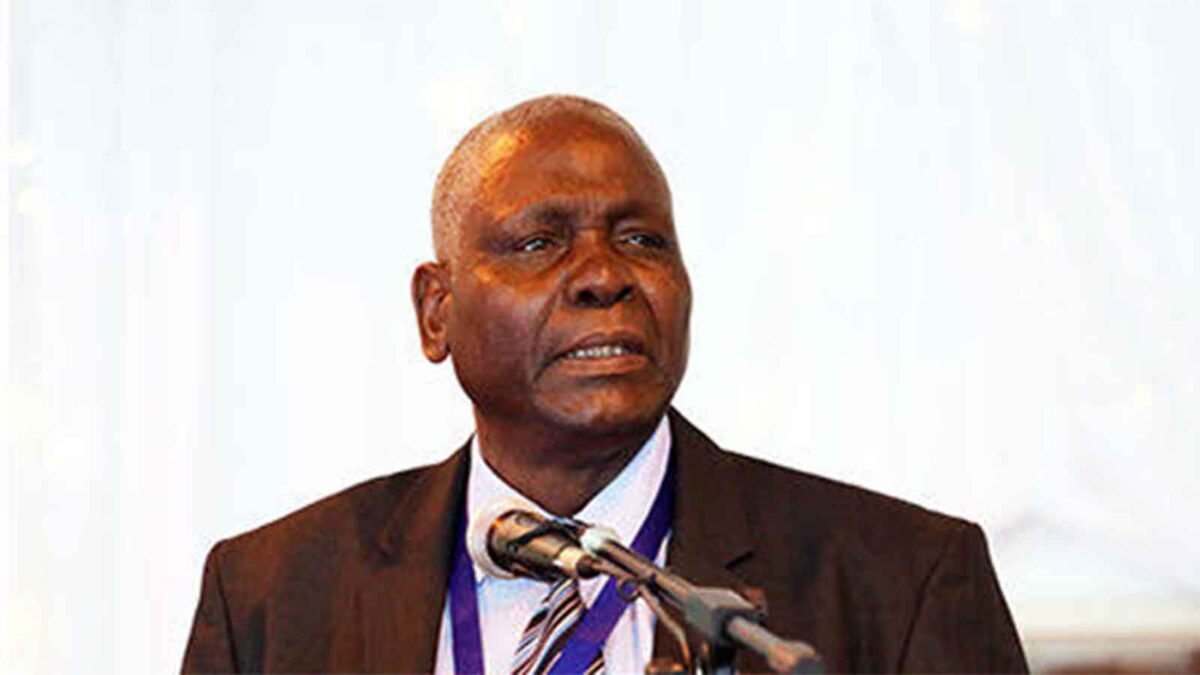
In an interview with Zimpapers, president of the Chiefs Council, Chief Mtshana Khumalo, expressed confidence that the process has covered much ground.
Chief Mtshana said the Chiefs together with the Secretariat will assess the progress made so far before making a decision on the way forward.
“We will determine how we progress with the process during the course of this week. However, I am confident that the hearings have covered much ground,” said Chief Mtshana.
The traditional leader commended the exercise, which he said was held in a peaceful manner without any incidents.
“I want to commend all those who participated in this process. It has been conducted peacefully and without any incidents, which is a testament to the maturity of our people,” Chief Mtshana said.
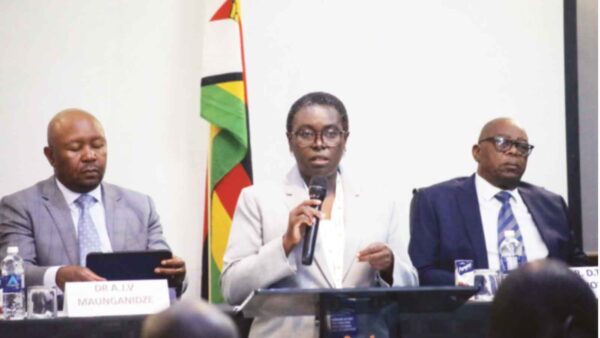
Attorney General Mrs Virginia Mabiza who also heads the Secretariat of the Matabeleland Peacebuilding Outreach Programme, is on record saying the initiative experienced increased participation as Zimbabwe works towards a home-grown response to the 1980s disturbances.
The outreach programme has been widely welcomed as a critical step towards national healing and unity.
The hearings have provided a platform for communities affected by the disturbances to share their experiences and contribute to the peacebuilding process.
The involvement of traditional leaders in leading the hearings has been praised as a culturally appropriate approach that resonates with local communities.
Chiefs have been at the forefront of the process, ensuring that the voices of the people are heard and documented.
The programme is seen as a key pillar in the Government’s efforts to promote reconciliation and unity in the country.
By addressing the grievances of the past, the initiative aims to foster a sense of shared history and common purpose among Zimbabweans.
As the programme heads towards its conclusion, expectations are high that the findings will contribute to lasting peace and reconciliation in Matabeleland and beyond.
The decision to be made this week will determine whether additional hearings are necessary or whether the process has gathered sufficient information to proceed to the next phase.
The Government has reiterated its commitment to the peacebuilding process, with President Mnangagwa’s administration prioritising national healing as a cornerstone of its development agenda.