Online Reporter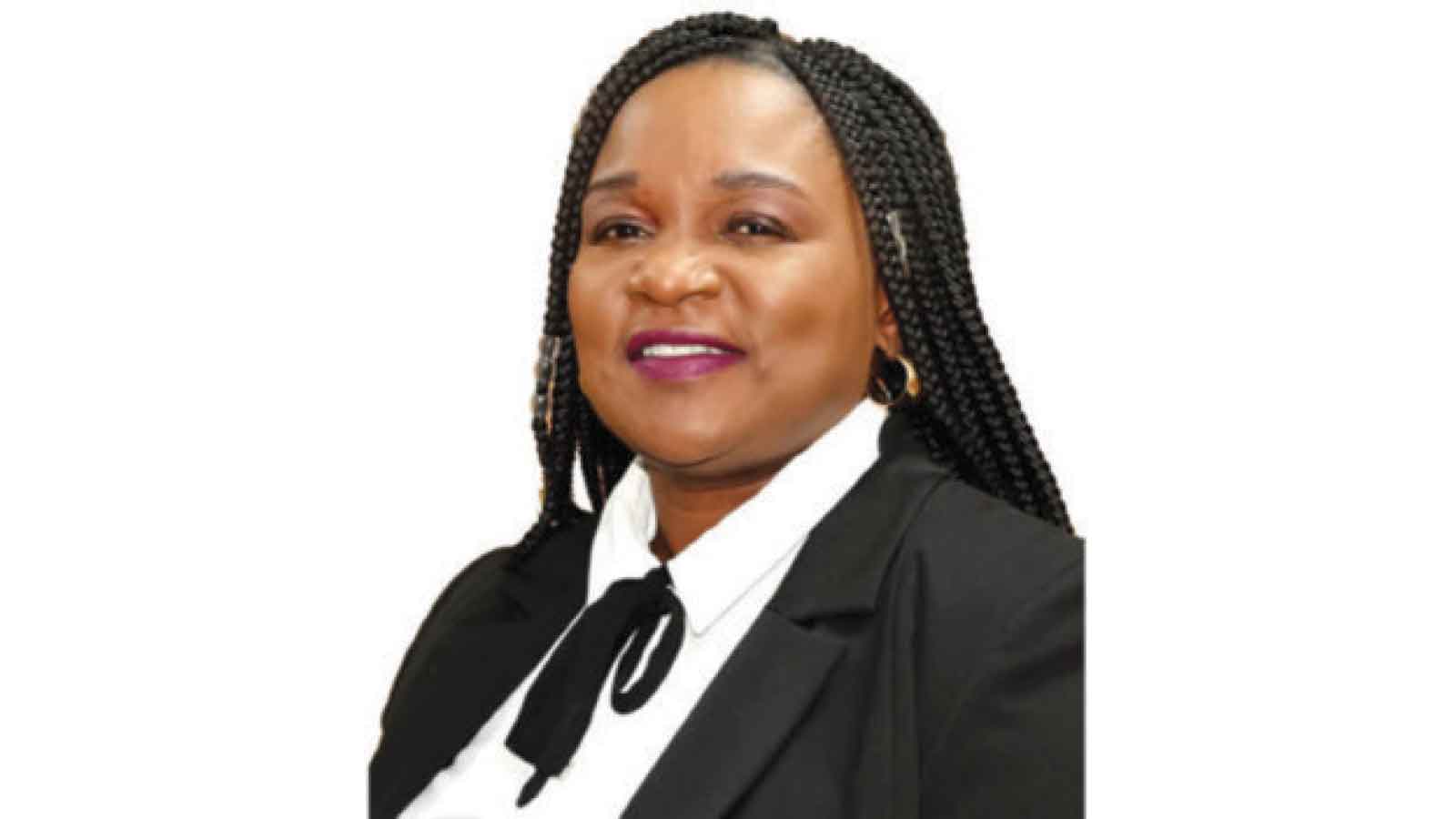
Gibson Mhaka
THE Government says the Gukurahundi Community Engagement Outreach Programme has made major progress as it enters its final phase, with thousands of people participating in the community-led process aimed at promoting healing, reconciliation and national unity.
The programme, spearheaded by traditional leaders in Matabeleland under the guidance of President Mnangagwa, has recorded increasing participation from affected communities as Government pursues a home-grown solution.
As the country prepares to commemorate Heroes Day on August 10 under the theme “Lest We Forget,” Government said the outreach programme reflects the Second Republic’s broader commitment to fostering peace, reconciliation and social cohesion alongside preserving the country’s liberation heritage.
The Gukurahundi Community Engagement Outreach Programme was officially launched by President Mnangagwa in Bulawayo in July 2024 after extensive consultations with traditional leaders.
Attorney-General Mrs Virginia Mabiza, who heads the Secretariat of the Matabeleland Peacebuilding Outreach Programme, said the initiative continued to make progress.
“The Gukurahundi Community Engagement Outreach Programme continues to make steady progress towards achieving its objective of providing affected communities with an opportunity to recount their experiences in a dignified, confidential and victim-centred process led by traditional leaders,” she said.
Mrs Mabiza said the programme’s Steering Committee, chaired by the President of the National Council of Chiefs, Senator Chief Mtshane Khumalo, recently met to review progress, assess operational challenges and map the way forward.
“The meeting brought together members of the Steering Committee, representatives of the Secretariat and senior Government officials responsible for supporting the programme’s implementation to review progress, assess operational challenges and adopt strategies for the successful completion of the outreach exercise,” she said.
Mrs Mabiza said the community-based approach, which places traditional leaders at the centre of the process, had strengthened public confidence and encouraged greater participation.
“The overwhelming response from the communities has been truly remarkable and is a testament to the trust placed in our traditional leaders to spearhead this healing initiative.
“Given the numbers and the commitment to ensure inclusivity, the consultation process will likely be extended into next year to ensure every affected community member is accorded a fair opportunity to share their story,” she said.
According to the latest progress report presented to the Steering Committee, the programme had, as of July 15, received 25 407 online submissions, 25 862 physical submissions and 25 479 audio testimonies, reflecting widespread participation by affected communities.
Mrs Mabiza said substantial progress had also been made in processing the testimonies received.
“The Committee noted that progress had been made in transcribing recorded testimonies. In this regard, 12 956 audio testimonies have been transcribed as at the date of the meeting,” she said.
Mrs Mabiza said continued participation demonstrated growing confidence in the outreach programme and the leadership of traditional chiefs.
“The continued participation of communities demonstrates growing public confidence in the outreach process and the resolve of traditional leaders to facilitate inclusive community engagement.
“The impressive turnout by affected communities also affirms the deep commitment of local people to the dialogue and reconciliation framework championed by President Mnangagwa as part of the Second Republic’s broader nation-building agenda,” she said.
The outreach programme forms part of Government’s wider efforts to promote national healing, dialogue and social cohesion, with traditional leaders playing a central role in facilitating community engagement and preserving indigenous approaches to conflict resolution.
Since assuming office in November 2017, President Mnangagwa has consistently stated that national unity, peace and reconciliation are indispensable pillars for sustainable socio-economic development. His administration has prioritised dialogue as a means of resolving historical issues, arguing that lasting development can only be achieved in an environment characterised by mutual trust, inclusivity and social cohesion.
The decision to entrust traditional leaders with the outreach programme recognises their constitutional role as custodians of culture, heritage and customary conflict-resolution systems. Chiefs have been tasked with facilitating hearings within their communities, compiling reports and submitting recommendations to Government for consideration.
The outreach programme complements broader national peace-building initiatives being implemented under the Second Republic, including devolution, community development programmes and efforts to strengthen social cohesion in line with Vision 2030. The process is intended to promote healing while ensuring that future generations inherit a united, peaceful and prosperous Zimbabwe.