Patrick Chitumba, [email protected]
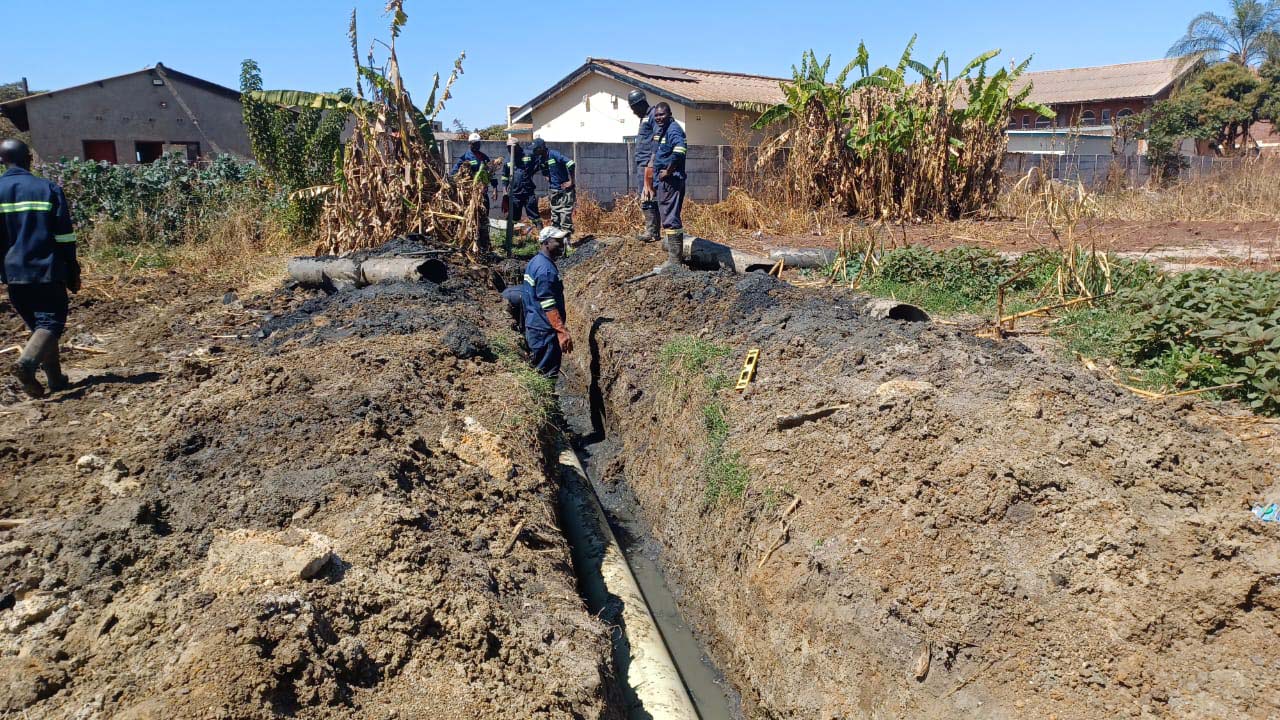
GWERU City Council is battling a surge in sewer blockages caused by residents dumping foreign objects such as plastic bags, nappies, sanitary pads, rags and bottles into toilets, sinks and manholes, resulting in raw sewage spilling into homes or the streets.
The council has warned that the growing problem is not only straining its limited resources but is also turning routine sewer faults into a potential public health hazard.
Gweru City Council Director of Engineering Services, Eng Masauso Store said council crews were being forced to spend a lot of time and resources clearing blockages caused by items that should never enter the sewer system.
“As a local authority, we are battling a surge in sewer blockages caused by residents dumping plastic bags, nappies, sanitary pads, rags, bottles and other foreign objects into toilets, sinks and manholes, threatening to turn routine sewage faults into a major public health hazard,” he said.
Eng Store said residents in Mkoba, Mtapa, Senga and Ascot had recently reported sewage spills after sewer lines were blocked.
He said investigations had shown that the problem was largely being driven by human behaviour rather than ageing infrastructure.
“We are pulling out plastic bags, rags, disposable nappies, sanitary pads, bottles, tins, pieces of cloth, building rubble and even animal carcasses from our sewer lines. These things do not decompose. They settle, they accumulate and they block the sewage flow,” he said.
The overflowing sewage creates an unpleasant environment and exposes residents to potential health risks while also placing additional pressure on council’s already stretched resources.
“Every hour a crew spends unblocking a line is an hour not spent on planned maintenance or on attending to a genuine infrastructure fault,” said Eng Store.
He also warned residents against attempting to clear blockages by opening manholes, saying sewer systems are dangerous confined spaces that can contain toxic and flammable gases.
Eng Store said gases such as hydrogen sulphide and methane could cause asphyxiation within seconds while residents also risked falling into deep chambers.
“Sewer systems are a confined-space hazard. Without the correct training, gas detection equipment, harnesses and breathing apparatus, no one should go anywhere near an open manhole,” he said.
Eng Store urged residents to report sewer blockages to council and allow trained and authorised personnel to attend to them.
He also called on private plumbers to ensure they were properly trained and registered and had the necessary protective clothing and safety equipment.
“We are appealing to residents, businesses, schools, churches and other institutions to change their waste-disposal habits. Residents are urged to flush only human waste and toilet tissue, while plastic bags, nappies, sanitary pads and tampons, cotton wool, paper towels, wet wipes, condoms, rags and food waste should be disposed of in bins,” said Eng Store.
He said cooking oil, fats and grease should not be poured down sinks as they could solidify inside pipes and cause stubborn blockages.
Building rubble, sand, stones and garden waste should never be dumped into sewer systems while storm-water drains should not be connected to sewer lines, said Eng Store.
“Anything that is not human waste or tissue paper should not go into the toilet. That is the simple rule,” he said.
“Cooking oil, nappies, plastics and rags don’t belong to sewer system. Please use a bin, or use the refuse collection service.”
Eng Store said keeping Gweru’s sewer network functional required cooperation between council and residents.
“We can only win this fight together. A clean and functional sewer system is not the council’s responsibility alone, but everyone’s responsibility,” he said.
“Please let trained plumbers open manholes. Report blockages to council immediately so we can respond before sewage spills into your yard or your neighbour’s yard.”