Online Reporter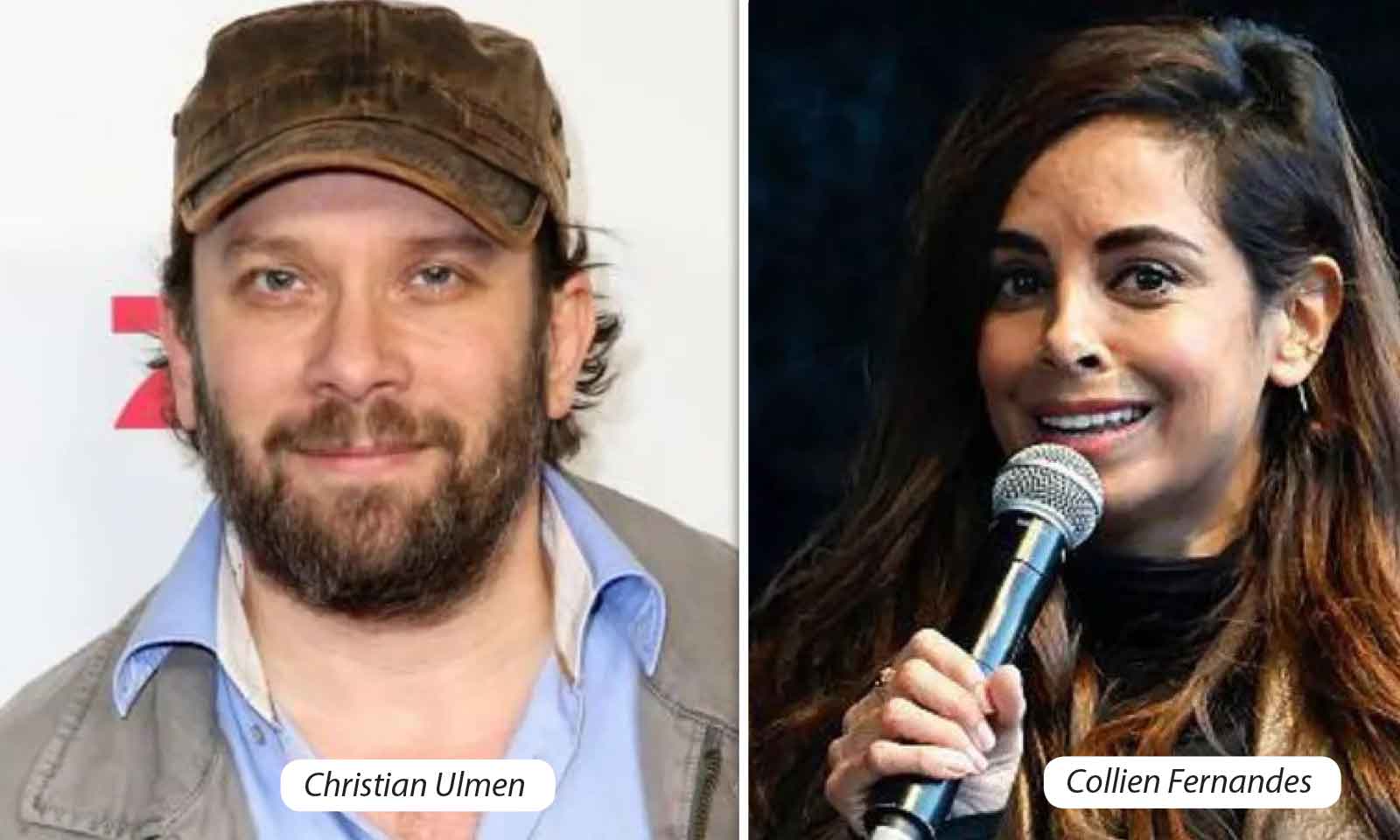
BERLIN. – It is a story that is gripping Germany and has led to one of its best known TV stars tearfully telling thousands of protesters from a stage in Hamburg how she had to wear a bulletproof vest, due to death threats.
A week ago Collien Fernandes, 44, accused her ex-husband of spreading fake, sexualised images of her online, in bombshell allegations first published by German news magazine Der Spiegel.
Her claims have triggered demonstrations, promises to tighten the law and criticism that Chancellor Friedrich Merz has bungled his response.
Fernandes’ ex-husband, Christian Ulmen, denies the allegations and has not been charged.
He is also taking legal action against the magazine that broke the story.
His high-profile media lawyers, Christian Schertz and Simon Bergmann, have told the BBC that Ulmen has never “produced and/or distributed deepfake videos of Ms Fernandes or any other individuals. Any such claims are false”.
They argue that what happened between Fernandes and Ulmen is completely unrelated to the German debate surrounding legal loopholes in criminal law over deepfake pornography.
Ulmen and Fernandes were for years known as a prominent, celebrity couple chalking up extensive TV, presenting, production, writing and acting roles between them.
The pair’s status as public figures partly explains why the case has captivated Germany.
But, regardless of the outcome of this case, it has also exposed anger about what campaigners say are glaring gaps in criminal law.
A group of 250 women from politics, business and culture has released 10 “demands” including the clear criminalisation of producing and distributing non-consensual sexualised deepfakes.
The group includes Labour minister Bärbel Bas from the centre-left SPD party, rapper Ikkimel and climate activist Luisa Neubauer.
Federal Justice Minister Stefanie Hubig has announced plans to change the law so that the creation and distribution of pornographic deepfakes would become an explicit offence.
The crime would be punishable by up to two years in prison – according to draft plans seen by German media.
Currently under German law, only the dissemination of such pictures is potentially punishable if it is found to have breached someone’s right to their own image. – BBC