Online Reporter
Fidelis Munyoro
Chief Court Reporter
A MAN used a spade to kill his wife by repeatedly striking her and delivering devastating injuries to the body and skull in a vicious and barbaric assault that has shaken a quiet rural community.
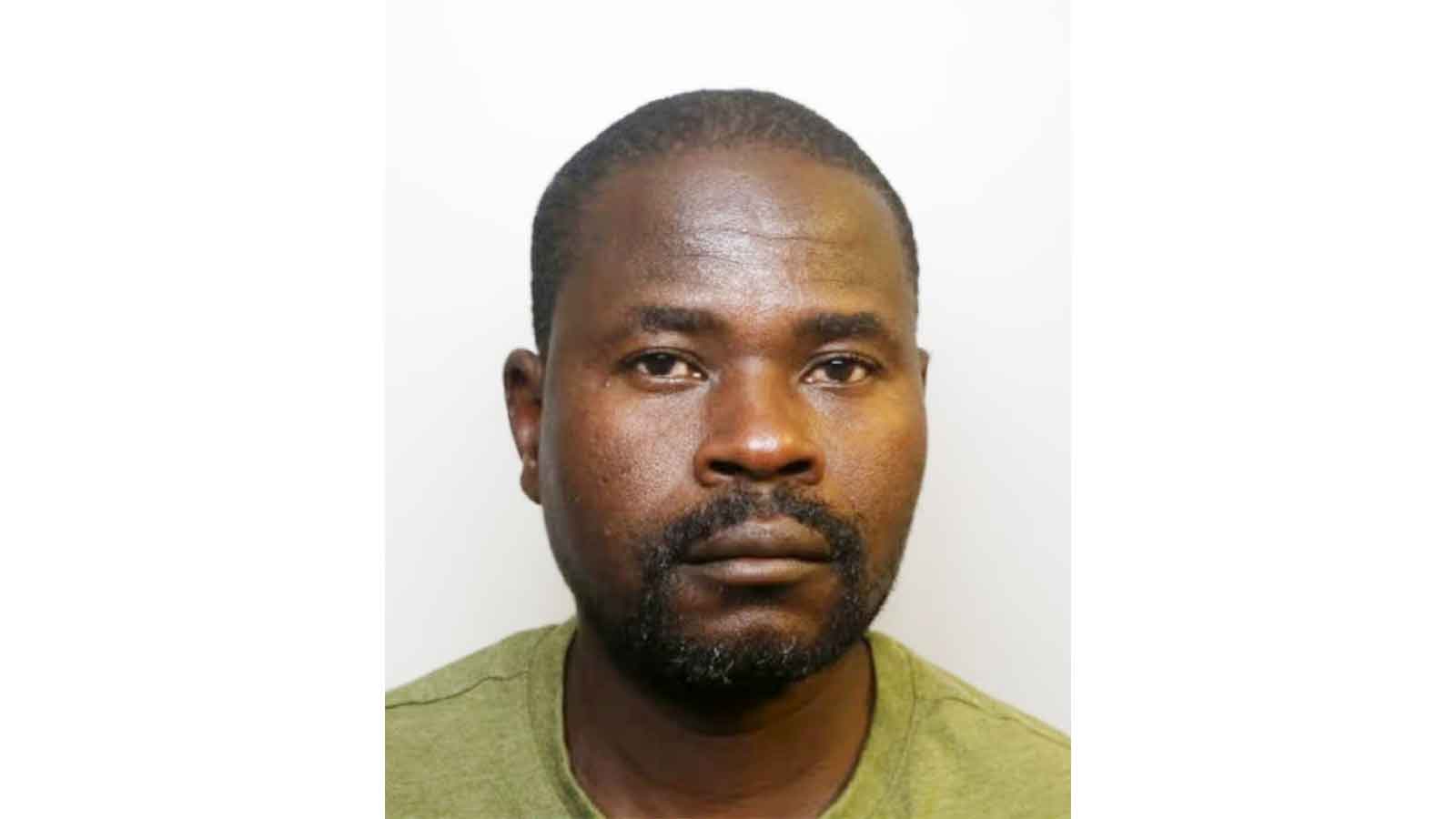
Elias Tasiyana has been sentenced to TWENTY FIVE years in jail.
The murder happened in the quiet village of Bumbe in Mhondoro-Ngezi.
It happened inside a small one-room dwelling where the couple shared meals, laughter and dreams for their child.
The High Court sitting in Chinhoyi heard how 30-year-old Tasiyana killed the woman he called his wife in the early hours of July 6, last year.
Though the two were not formally married, they had lived together for years and shared a young child.
When Justice Catherine Bachi-Mzawazi delivered judgment in a packed courtroom, the details painted a grim picture of rage, brutality and a desperate attempt to escape responsibility.
The judge dismissed Tasiyana’s defence as fabricated and unbelievable, ruling that the killing was not accidental, but a calculated and intentional murder.
“The weapon used, the multiplicity of the blows, the force used, the depth and extent of the injuries and the part of the body the blows were aimed at cumulatively points not towards legal intention but actual intention,” ruled Justice Mzawazi.
According to court proceedings, Tasiyana admitted striking the deceased with a spade but tried to convince the court that her death resulted from a chaotic confrontation involving an alleged lover.
He claimed he had returned home from the mine around 4 am and heard suspicious voices inside his room.
After forcing his way in, he allegedly found another man armed with the spade. A struggle supposedly followed, during which the fatal blow accidentally landed on the deceased.
But the court found his story collapsing under the weight of contradictions.
The strongest evidence came not from police detectives or forensic experts, but from the accused’s mother, Juliana Tasiyana, who lived only a few metres away.
Her testimony would become central to the conviction of her son.
She told the court that the couple had spent the previous day behaving affectionately.
They laughed together, moved around the homestead peacefully and even bathed together late in the evening.
Nothing suggested violence was coming.
Then, in the darkness before sunrise, she heard terrifying screams from the deceased calling for help.
When she rushed to the room, she found the door locked from inside.
She banged frantically, begging to be let in. When the door finally opened, the sight before her was horrifying.
The deceased lay lifeless in a pool of blood. Her son stood naked, confused and violent.
There was no sign of another man.
The court found it impossible to believe that an intruder had escaped unnoticed from the locked room while the accused’s mother stood just outside moments after the attack.
Justice Mzawazi said the accused’s story about a boyfriend only emerged during the trial and had never been mentioned to police, villagers or relatives immediately after the killing.
“The boyfriend story only emerged on the day of the trial,” the judge observed.
“He did not disclose the same to the mother . . . He failed to mention it when he was apprehended by fellow villagers.
‘‘To the police he admitted telling them a different reason for killing the deceased.”
The court further noted that Tasiyana openly admitted lying to police because he wanted the alleged affair to remain “his guarded secret,” an explanation the judge treated with open disbelief.
Even more damaging was the medical evidence.
The autopsy report revealed devastating injuries to the woman’s body and skull, injuries consistent with repeated heavy blows delivered with enormous force.
The court ruled that the wounds could never have resulted from a single accidental strike or from falling onto mining tools as the accused claimed.
There were no bloodied mining tools recovered from the room. Only the murder weapon — the spade.
As the trial unfolded, a painful picture of domestic abuse also emerged.
The victim impact statement revealed that the deceased had allegedly suffered repeated violence during the relationship.
Police reports had been made before, and she had previously been hospitalised after assaults.
Yet, like many women trapped in abusive relationships, she returned to the same man who would ultimately kill her.
The court spoke strongly about the wider crisis of gender-based violence affecting Zimbabwean communities.
“This is the height of domestic violence perpetrated on women victims, vulnerable persons,” Justice Mzawazi declared.
The judge described the murder as “cold-blooded” and “brutal,” adding that the accused had shown no remorse.
Instead, the court said, he tried to tarnish the memory of the dead woman by inventing false allegations of infidelity.
Particularly heartbreaking was the fact that the killing happened in the presence of the couple’s three-year-old child.
“The offence was committed in the presence of a three-year-old child who has not only been orphaned but inevitably traumatised,” the judge said during sentencing.
After the murder, Tasiyana reportedly consumed poison in what appeared to be a suicide attempt.
He was hospitalised after his arrest but later escaped from lawful custody before being recaptured. The court interpreted this behaviour as further evidence of guilt rather than innocence.
Villagers who responded after the attack described the accused as violent and uncontrollable.
One witness told the court community members struggled to approach him because he behaved “like a mad person.”
In delivering sentence, Justice Mzawazi spoke emotionally about the sanctity of human life and condemned the growing scourge of domestic violence.
“Life is sacrosanct,” the judge said. “No one is entitled to expend life other than the giver of life, the Creator himself.”
The court concluded that the murder had been committed with actual intent to kill, known in law as dolus directus.
The judge explained that the repeated blows, aimed at vulnerable parts of the body with severe force, showed a clear intention to end the deceased’s life.
Tasiyana was sentenced to 25 years imprisonment.
As the sentence was handed down, the courtroom fell quiet.



 Bongani Ndlovu