
Lovemore Chikova
Development Dialogue
Zimbabwe has an opportunity to take rural transformation to another level by adopting an integrated development model that brings together agricultural investment, community participation, technology, value addition and commercial enterprise.
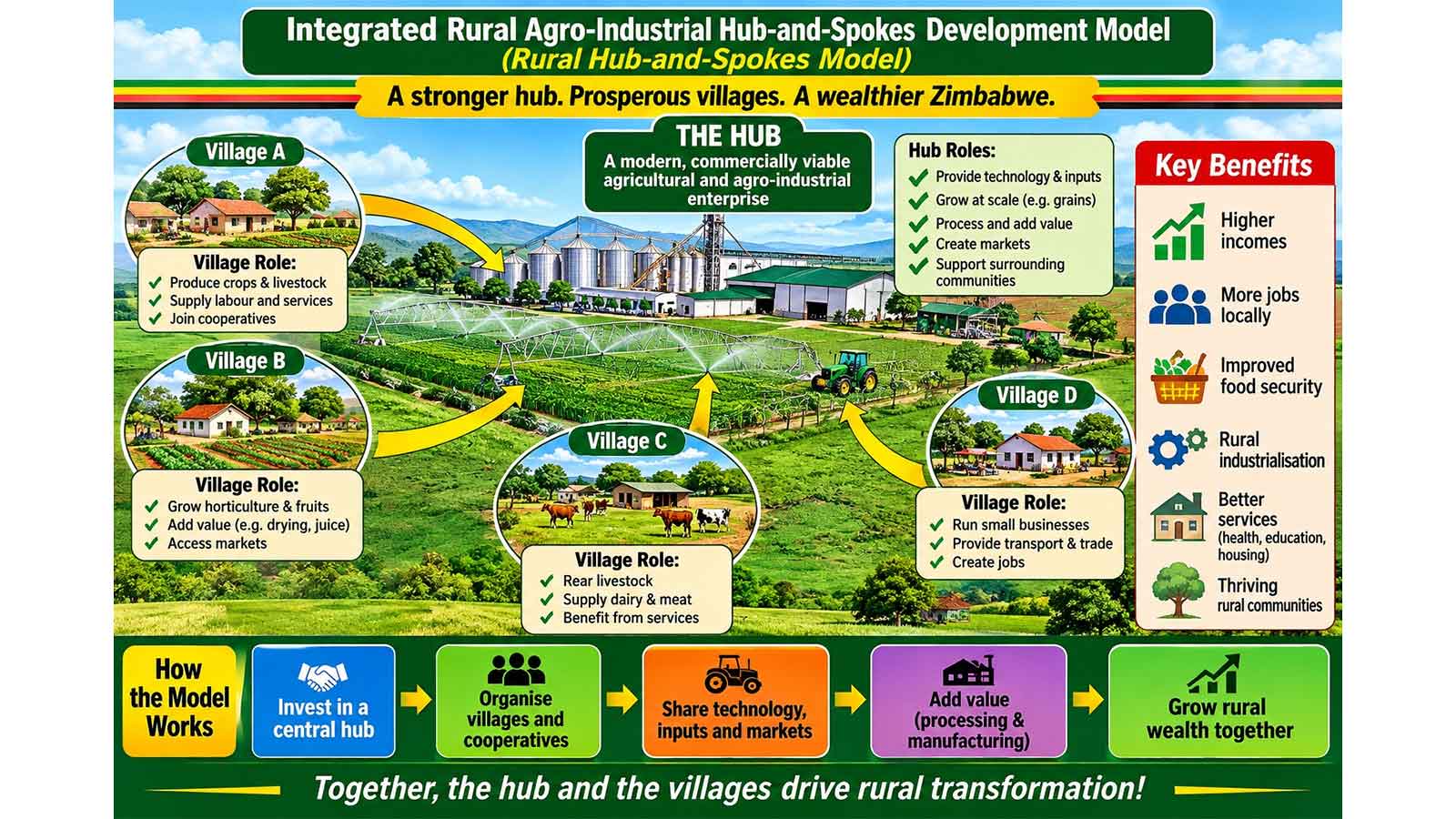
One such a promising approach is the Integrated Rural Agro-Industrial Hub-and-Spokes Development Model, which could provide the country with a practical framework for accelerating rural industrialisation and inclusive economic growth.
The model is built around a relatively simple, but powerful proposition: establish a commercially viable, technologically advanced agricultural enterprise as the central economic hub, and connect surrounding villages and communities to it as productive “spokes”.
The hub provides the infrastructure, technology, expertise, markets and economic opportunities that individual rural households may struggle to establish independently.
The spokes, comprising villagers, smallholder farmers, rural entrepreneurs and community-based enterprises, provide agricultural produce, labour, complementary services and other economic activities that sustain and expand the hub.
President Mnangagwa’s latest push to make agricultural mechanisation accessible to every farmer provides a practical demonstration of the thinking behind this hub-and-spokes approach.
The President launched the Expanded Farmer Mechanisation Facility on Wednesday, with its underlying principle closely aligned with the model: productive infrastructure and technology must be organised in a way that reaches beyond the principal enterprise and benefits the wider rural economy.
His insistence that machinery should no longer be the preserve of farmers with substantial financial resources means rural transformation cannot be built around isolated pockets of prosperity.

The productive capacity of the central hub must be extended to the surrounding villages, enabling smallholder and communal farmers to participate in modern, commercially oriented agriculture.
This is precisely the kind of shared infrastructure envisaged in the Hub-and-Spokes model: instead of every household having to purchase costly equipment, farmers draw on machinery services coordinated through a well-resourced centre.
President Mnangagwa’s call for affordable, appropriate and reliable machinery fits naturally into a system in which the hub provides the equipment, technical support and coordination, while the spokes use those resources to expand cultivation, improve timeliness and raise productivity.
This creates an interconnected rural economy in which large-scale commercial production and smallholder agriculture reinforce each other.
It is a departure from the traditional understanding of rural development as a collection of individual projects.
Instead, it views the rural community as an integrated economic system in which the prosperity of one component contributes to the prosperity of others.
Why Zimbabwe needs this model
The country’s rural development circumstances make this approach particularly relevant.
Zimbabwe has vast agricultural potential, considerable rural human capital, diverse climatic conditions and an established agricultural knowledge base.
But this productive potential of many rural communities remains constrained by fragmented production, limited access to irrigation, inadequate storage facilities, expensive agricultural inputs, weak market linkages and insufficient investment in rural processing industries.
The Hub-and-Spokes model addresses these constraints by creating an economic relationship between a commercially established agricultural enterprise and surrounding communities.
Rather than expecting every village to independently acquire expensive irrigation infrastructure, machinery, storage facilities and processing equipment, the model allows communities to benefit from shared facilities anchored by an economically viable hub.
This is particularly important in Zimbabwe, where capital constraints make it difficult for individual rural households and smallholder farmers to invest in sophisticated agricultural infrastructure.
A central hub can make such infrastructure economically viable by serving a wider production catchment area.
For instance, a large agricultural enterprise equipped with centre pivots, mechanisation, storage facilities, agricultural laboratories and processing infrastructure can become the foundation around which surrounding villages organise their own agricultural activities.
Villagers can specialise in crops and livestock suited to their particular circumstances, while accessing technical support, inputs, markets and processing opportunities through the central enterprise.
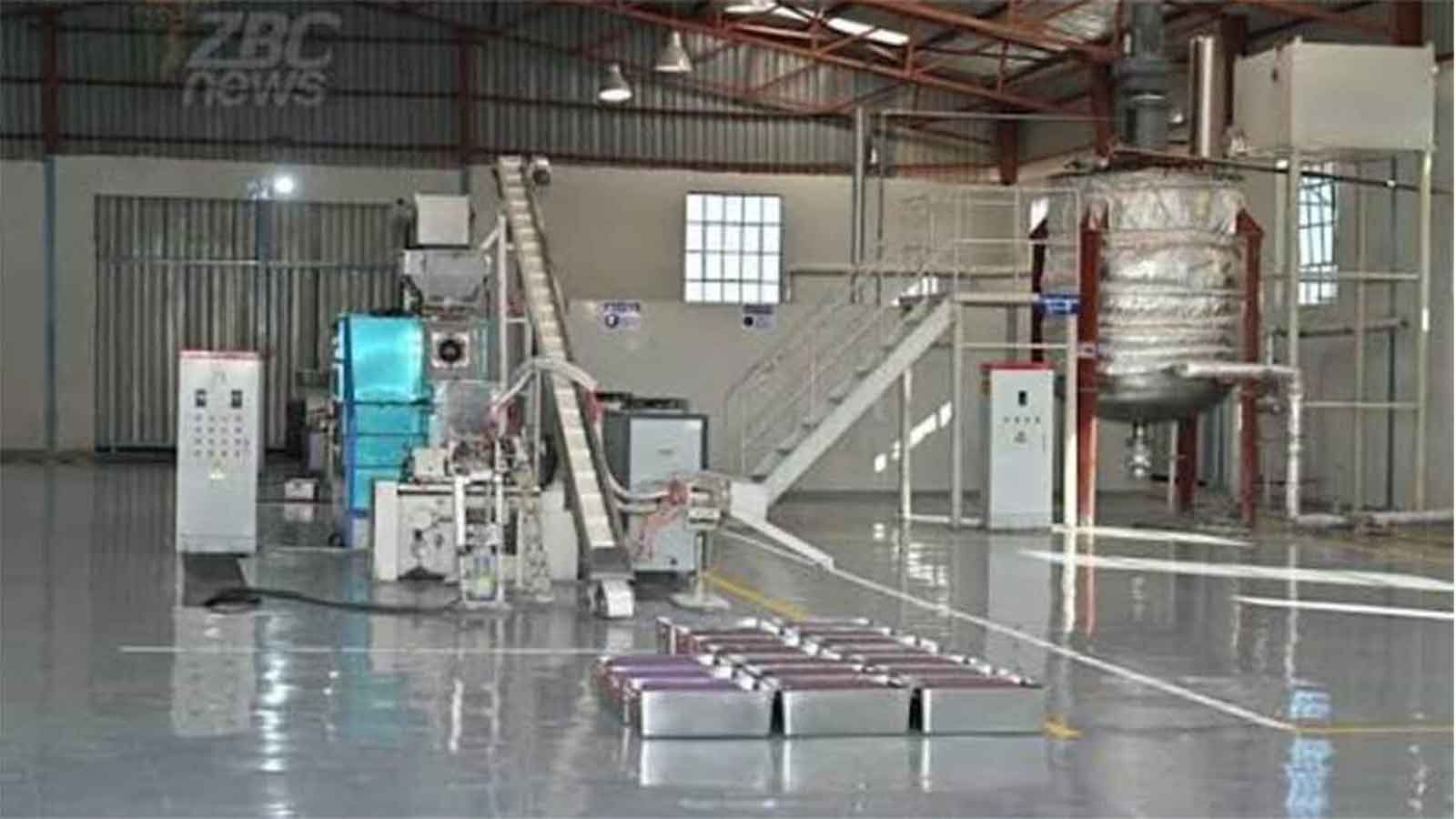
The result is a rural economy in which agricultural investment is no longer confined to the boundaries of one commercial operation, but stimulates economic activity across an entire surrounding community.
Understanding the hub and the spokes
The hub is the economic anchor of the model.
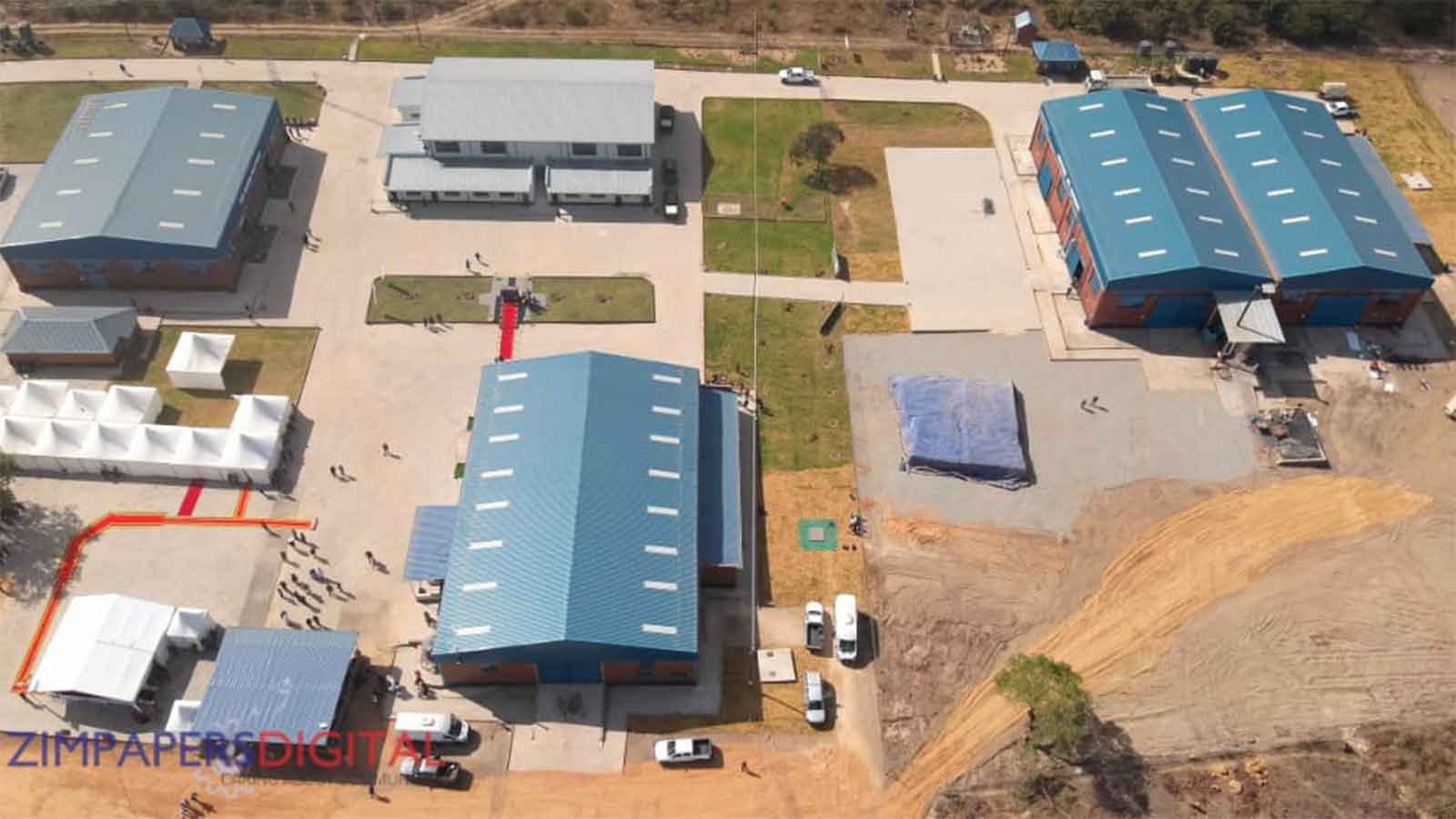
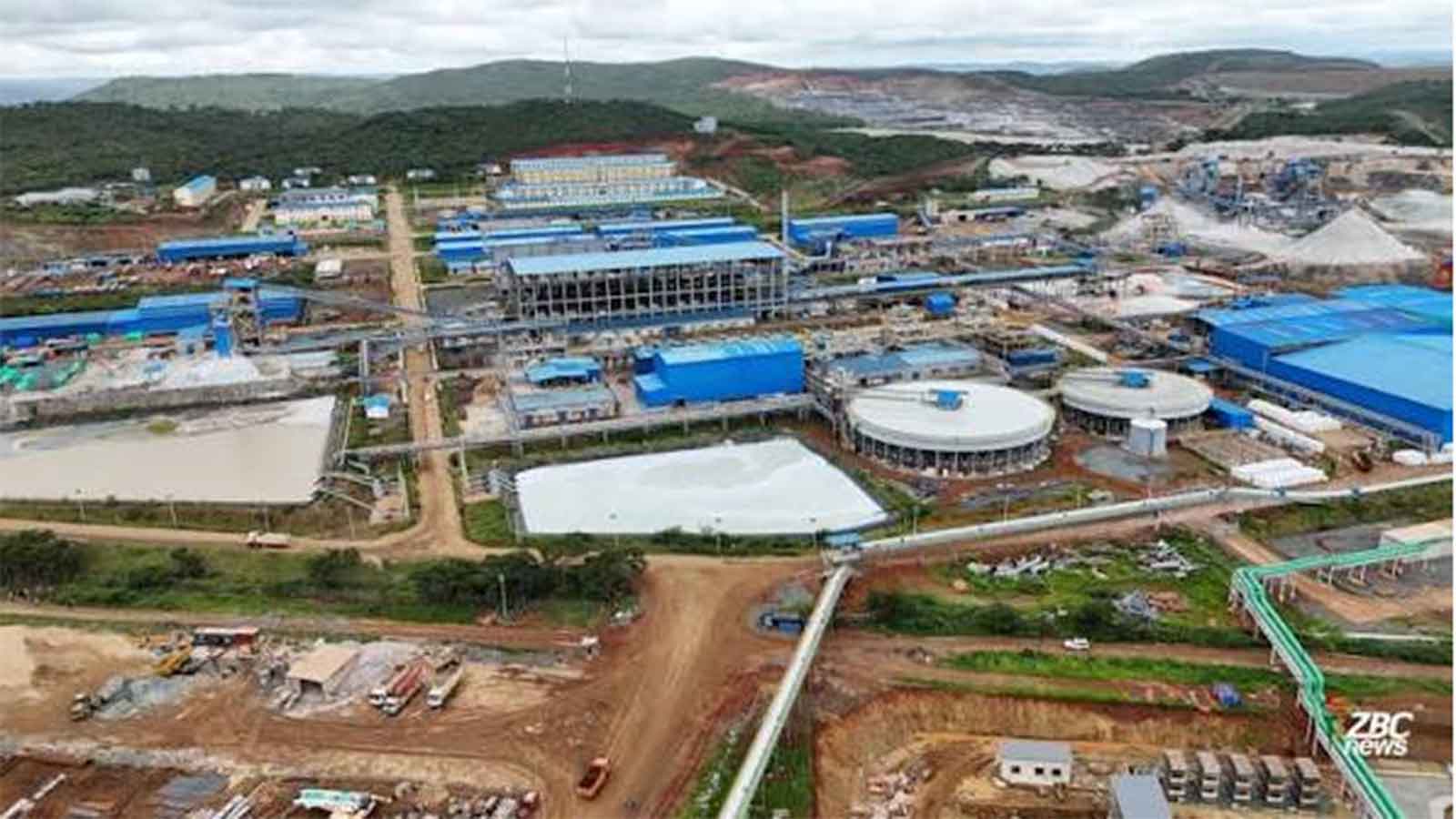
It is normally a substantial agricultural or agro-industrial enterprise with the capacity to mobilise investment, deploy modern technology, provide specialised services and connect production to markets.
Its functions go beyond growing crops, as it can provide irrigation infrastructure, mechanisation services, agricultural extension, improved seed, fertilisers, veterinary services, warehousing, cold storage, processing facilities, packaging and marketing arrangements.
It can also coordinate production schedules to ensure that the quantities and quality of agricultural commodities meet market requirements.
The hub, therefore, becomes a centre of agricultural knowledge, technology transfer, commercial coordination and rural industrial development.
The spokes are the surrounding villages and their economic activities.
They comprise individual households, smallholder farmers, organised farmer groups, cooperatives, youth enterprises, women’s businesses and other rural entrepreneurs.
Their role is not simply to supply labour to the hub, they must be productive economic participants in their own right.
They can produce grains, horticultural crops, fruits, livestock, poultry, dairy products and other commodities that complement the hub’s production and processing requirements.
They can also establish businesses supplying transport, packaging, repairs, irrigation equipment, agricultural inputs, catering and other services required by the expanding rural economy.
The relationship is reciprocal – the hub creates opportunities for the spokes through markets, technology, expertise, infrastructure and investment, while the spokes provide the hub with additional agricultural commodities, labour, services and a wider economic base.
This interdependence is the defining characteristic of the model.
It is not a situation where a large investor develops an agricultural enterprise, while villagers merely watch from the sidelines.
Neither is it a model in which rural communities surrender their economic independence to a single commercial operator.
Instead, it creates a mutually beneficial arrangement in which the success of the hub is linked to the economic advancement of surrounding communities.
Putting villagers at the centre of development
The most important aspect of this model is the position occupied by villagers.
Rural development cannot be sustainable if rural people remain spectators in economic activities taking place in their communities.
For the Hub-and-Spokes model, villagers become producers, entrepreneurs, shareholders, suppliers and beneficiaries of the economic opportunities generated by the hub.
Their first responsibility is to organise themselves into productive units.
Individual farmers can form cooperatives, commodity associations and production groups that enable them to coordinate production, access inputs collectively and negotiate better prices.
Such organisation makes it easier for the hub to engage with hundreds of farmers through recognised structures rather than negotiating with individual households separately.
Secondly, villagers can identify agricultural commodities and economic activities that complement the production programme of the hub.
Where the hub concentrates on commercial grain production, for example, surrounding communities could specialise in horticulture, fruit production, livestock, poultry, dairy and other commodities with established market opportunities.
This diversification is important because it allows different households to participate according to their land, skills, resources and climatic circumstances.
Thirdly, villagers take responsibility for maintaining production standards.
The hub can provide technical advice, training and market specifications, but farmers must ensure that their produce meets agreed quality, quantity and delivery requirements.
This creates a culture of commercial agriculture in which rural production is guided by market demand rather than simply producing whatever happens to be available.
How Zimbabwe can implement the model
For the model to move from an attractive development concept into a national programme, Zimbabwe needs a deliberate implementation framework.
The starting point could be the identification of suitable rural economic zones where agricultural potential, water availability, existing infrastructure, land suitability and market access can support commercially viable hubs.
This does not mean establishing identical hubs throughout the country – the model should be adapted to local circumstances.
In areas with reliable water resources, irrigation-based horticulture, grain production and fruit processing could form the foundation of the hub.
In other areas, livestock production, dairy, poultry, fisheries or drought-resistant crops could provide the economic anchor.
The principle is that every hub must be built around the productive advantages of its surrounding communities.
The second step should be establishing strong public-private-community partnerships.
Government can facilitate land-use planning, infrastructure development, agricultural extension, policy coordination and access to public financing instruments.
Private investors can provide capital, technology, management expertise, processing infrastructure and access to markets, while development finance institutions, banks and other financial partners support viable projects.
On the other hand, local authorities and traditional leadership structures can facilitate community mobilisation, land-use coordination and the identification of local development priorities.
Villagers should be involved from the planning stage so that the proposed hub reflects their needs, interests and productive capacities.
This involvement of the villagers should also include participatory communication where the villagers are given platforms to air their ideas.
Thirdly, there should be a clear operational framework for linking the hub to surrounding communities.
This could include formal out-grower arrangements, contract farming, cooperative production agreements and guaranteed market arrangements.
Under contract farming, for example, the hub can provide farmers with inputs, technical advice and agreed production specifications, while committing to purchase qualifying produce at prices determined through transparent contractual arrangements.
Such arrangements reduce the uncertainty faced by smallholder farmers and make it easier for financial institutions to assess agricultural projects.