

 Online Reporter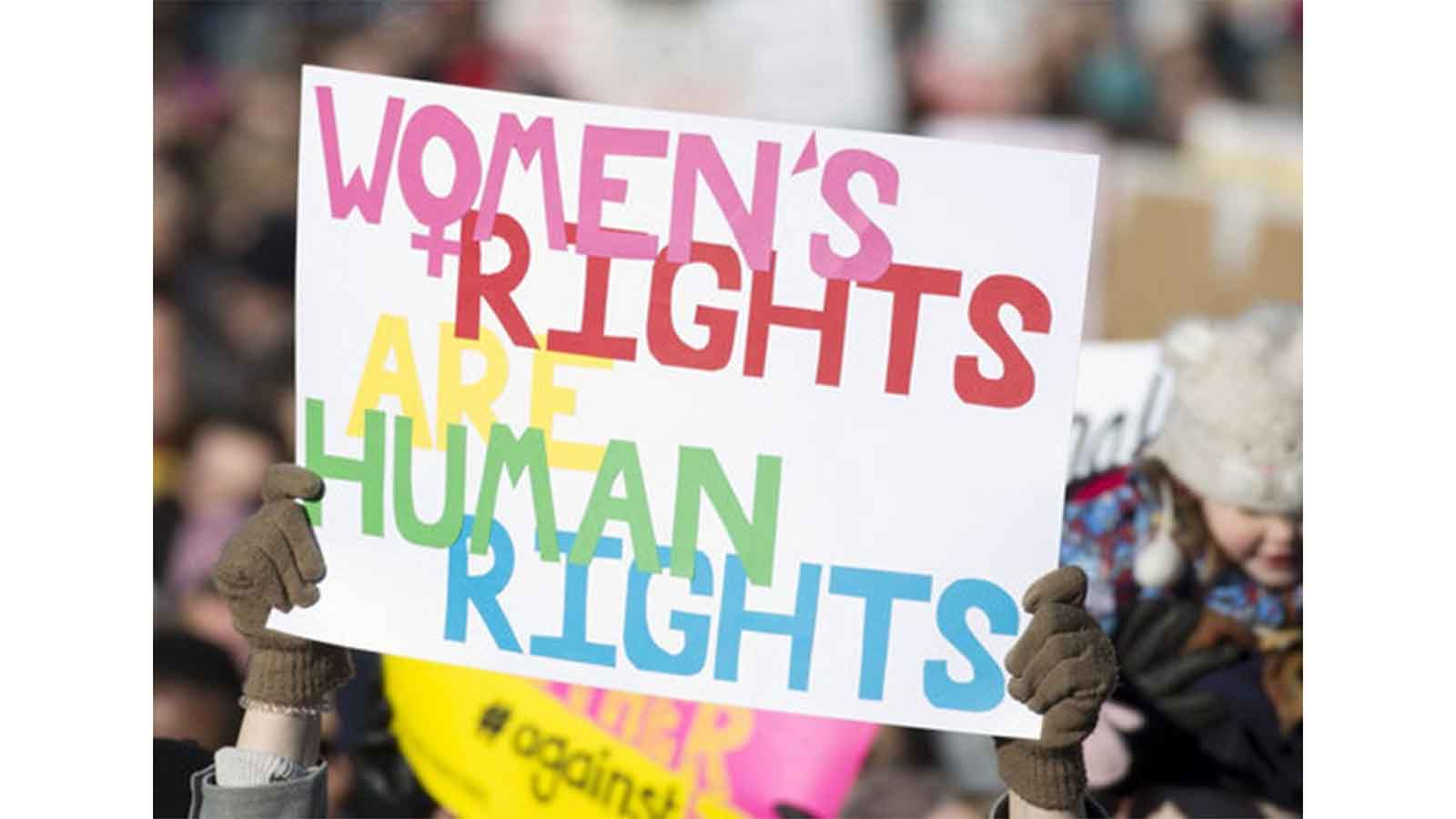
Alice Tagwira-Beyond the Boundaries
Women’s rights in Africa are not just being “challenged”.
They are being systematically strangled.
If we want to stop the bleeding, we must name the specific forces acting as the biggest infringers.
It is not just a lack of money; it is a calculated system that relies on the literal, economic and social death of women’s potential.
The first infringer is Legislative Inertia.
When governments take years to align old, patriarchal laws with the new constitutions, women die in the gap.
In rural Africa, child marriages continue because the “village square” doesn’t care what the High Court in the capital cities say.
When the state fails to punish those who break the law, it effectively signs a death warrant for the girl-child’s future.
We cannot be professional without naming the root cause: Patriarchy.
This isn’t just a social concept; it is a structural death sentence.
Patriarchy in most parts of Africa, functions as an unwritten law that sits above the Constitution.
It is the reason men feel entitled to a young girl’s body, and why communities silence victims to “protect” the family name.
This system relies on the death of agency — if you can’t choose your own path, your rights don’t exist.
The private sector is a silent killer of equality.
Corporate Africa often hides behind “diversity policies” while practising economic violence. This is economic gatekeeping.
Women are kept in low-level roles with no path to the top.
They face the “motherhood penalty”, where their careers die, the moment they get pregnant.
Furthermore, banks still demand land titles for loans — titles that most women don’t own.
By refusing to lend to women without “male-owned” collateral, the financial system ensures that female-led businesses die before they can grow.
Religion is the heartbeat of Africa, but it is often used to bleed women dry.
In 2026, we see a terrifying rise in extremist faith that demands total female submission.
In many circles, religion is used to justify the death of education.
When a “prophet” tells a family that a 14-year-old girl must marry an older man to “cure” a curse, that is a human rights crime.
By using the fear of God to block women from seeking help, certain religious institutions have become the most dangerous infringers of our rights.
For women to have rights, they need a voice. Africa doesn’t need legislative tools that over-regulate and intimidate the very organisations that protect women.
The survivors of domestic violence lose their only safe houses and legal aid when certain tools are imposed.
Every organisation that speaks for the vulnerable must be protected to avoid killing the rights themselves.
In 2026, Climate Change is a major rights violator. In our arid regions, the drying of water sources brings the death of time.
As women spend their entire day walking many kilometres for water, they lose their right to education, health and rest.
This vulnerability exposes them to physical violence and extreme poverty.
When climate policy isn’t designed for women, it becomes another tool used to bury their potential.
Finally, we must address the social death of those who speak out. Our culture often values “family reputation” over a woman’s life.
When a woman reports harassment, she is shamed, isolated, and branded a “home-wrecker”.
This social execution ensures that thousands of women choose to suffer in silence rather than face the graveyard of public opinion.
The rights of women are being strangled by a combination of old traditions, corporate greed and religious manipulation.
Our Constitution must not become a eulogy for rights that were never allowed to live.
To move forward, we need more than workshops; we need the death of these old systems. We need:
Mandatory pay audits to stop economic gatekeeping.
Legal accountability for religious leaders who sanction child marriages
Protection for civic spaces so women’s organisations can breathe.
The architecture of exclusion was built by design, and it can only be dismantled by a more powerful, professional, and uncompromising design for equality.



