Online Reporter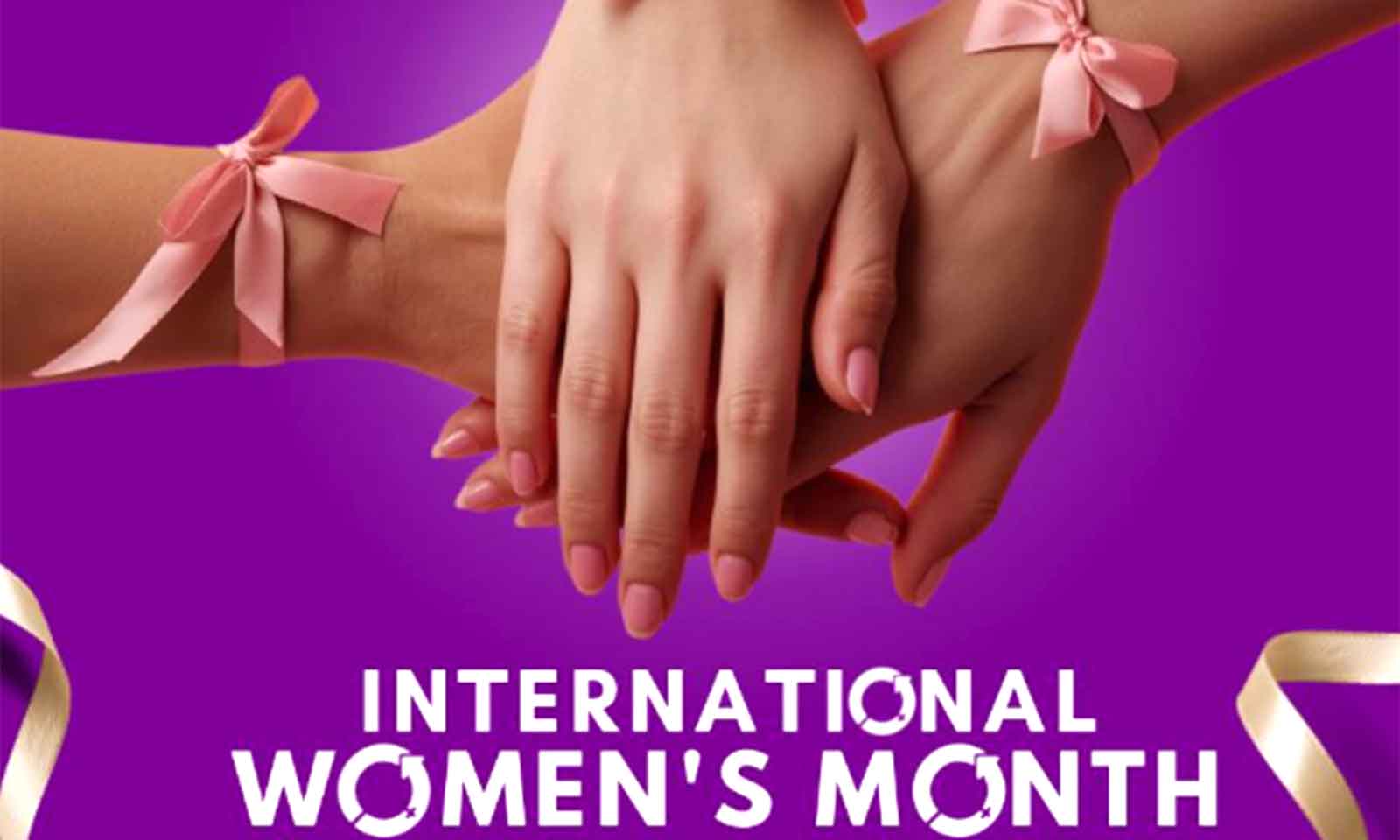
Elizabeth Filippouli
March is recognised worldwide as International Women’s Month.
It is a time to celebrate the remarkable contributions of women across the globe and to raise our voices in advocating for gender equality and women’s rights. It is also an opportunity to draw attention to the ongoing struggles women face in various spheres of life.
The History of International Women’s Month
The roots of International Women’s Month go back to the early 20th century, during a period of great social upheaval and activism. The first National Woman’s Day was observed in the United States on February 28, 1909, introduced by the Socialist Party of America. It was established in honour of the 1908 garment workers’ strike in New York, during which women protested against harsh and unsafe working conditions.
The idea of an international day to celebrate women gained momentum in 1910, when German Marxist and women’s rights advocate Clara Zetkin proposed the establishment of an International Women’s Day at the International Socialist Women’s Conference. The proposal was approved unanimously, and March 8 was later chosen as the official date.
In 1975, during International Women’s Year, the United Nations formally recognised March 8 as International Women’s Day. Over time, this single day evolved into a month‑long campaign in many countries, dedicated to celebrating women’s contributions to history, culture and society.
The Importance of International Women’s Month
Firstly, it is a time to celebrate the extraordinary achievements of women in various fields — many accomplished despite gender‑based discrimination and systemic inequalities. From advancements in science, technology and politics, to transformative contributions in arts, culture and social reform, women have played vital roles in shaping our world. I have been fortunate to work with many remarkable women leaders over the years who continue to make extraordinary things happen in their industries and communities.
Secondly, this month serves as a powerful platform for raising awareness about gender inequality and the challenges women still face today, including war, displacement, wage gaps, discrimination, social barriers, and — critically — the many forms of abuse and violence women endure. International Women’s Month is a reminder not to avert our eyes. It encourages open discussion, activism and policy reforms aimed at creating a more equitable society.
International Women’s Month also serves to inspire and empower the next generation of women and girls. By highlighting the stories of influential women — their struggles and their triumphs — we motivate others to pursue their dreams and break through barriers.
Women in War Zones: An Urgent Reality
In 2024, the plight of women in war zones remains tragically urgent. It reflects broader themes of gender inequality, resilience and the need for international solidarity.
Women in conflict areas face unique challenges beyond physical danger — including displacement, the loss of homes and livelihoods, and the collapse of community structures. Many bear the responsibility of caring for families in situations where access to food, water and healthcare is severely limited.
Sexual violence remains a grim and prevalent weapon of war, used to terrorise communities. Despite international laws intended to protect women, enforcement is often weak, and perpetrators frequently go unpunished, leaving long‑lasting psychological, physical and social scars. — Wires