Online Reporter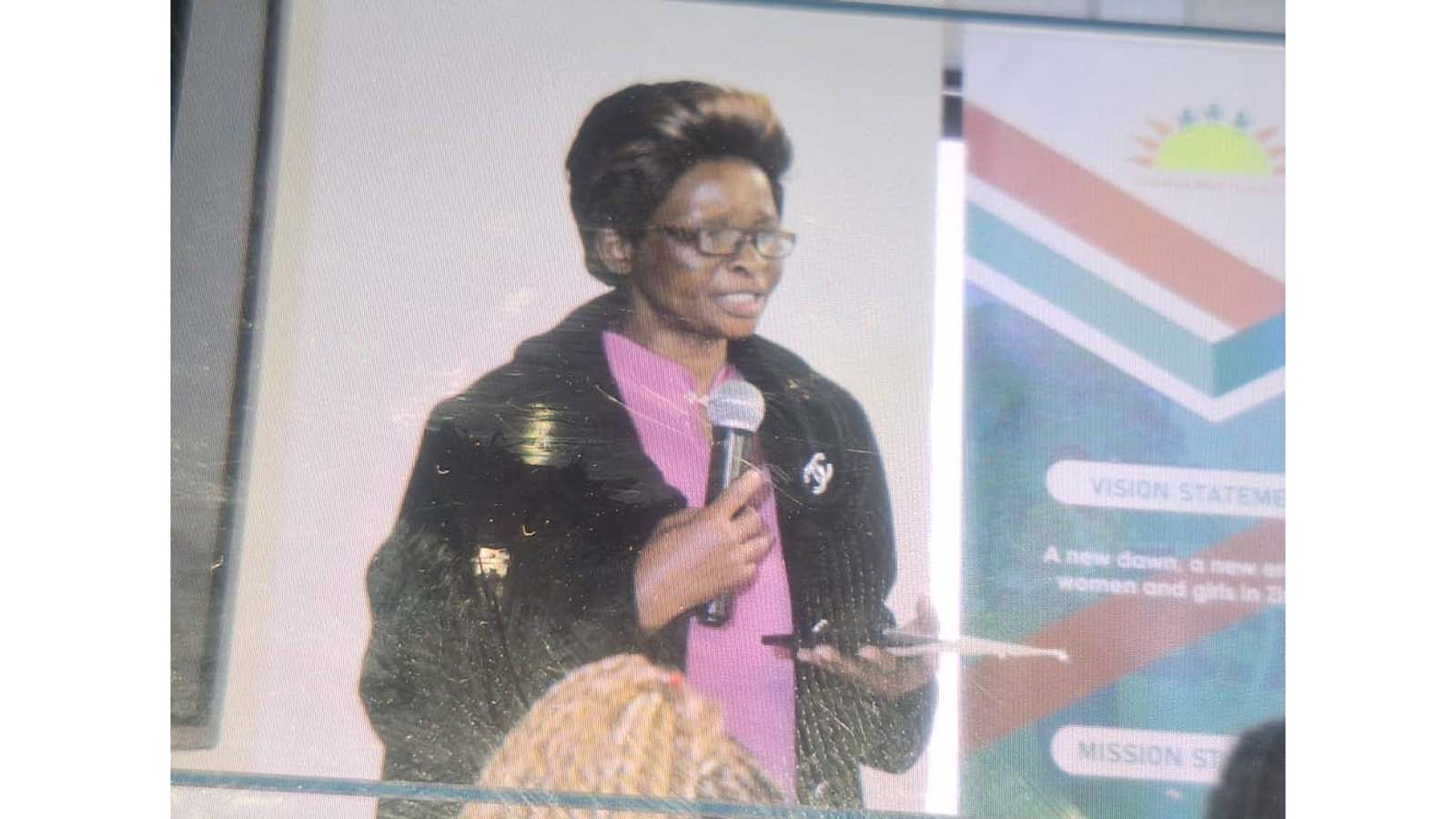
Muchaneta Chimuka
THE Government, through the Ministry of Primary and Secondary Education, in partnership with the associations for persons with disabilities, has embarked on an inclusive education policy dialogue where they discussed on its importance with the hope that every learner feels valued and empowered through the provision of assistive devices, disability friendly infrastructure, and trained teachers, braille provision, among others.
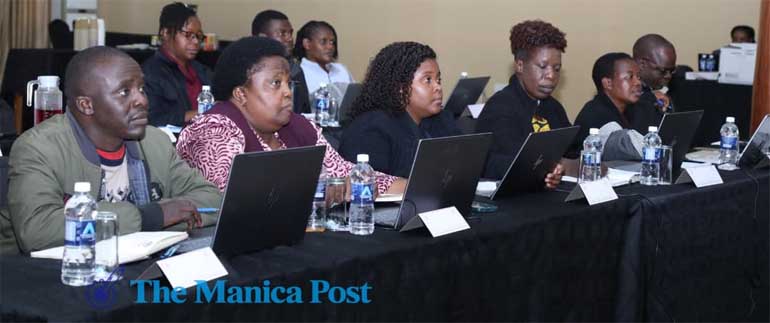
The meeting, attended by the Ministry of Public Service, Labour and Social Welfare, UNICEF, UNESCO, school heads, specialist teachers, parents, and learners, highlighted some of the issues learners with disabilities face and recommended measures to assist them.
Speaking during the dialogue, hosted by Zimbabwe Blind Women Trust (ZBWT), the Director in the Ministry of Primary Education, Mrs Ophilia Zava, applauded ZBWT) for promoting the rights and inclusion of women and girls with visual impairments.
“Your contribution to advancing inclusive education in Zimbabwe is immeasurable,” she said.
“Through community-led advocacy, you have identified young children, ready for the early childhood development stage learning, supported their placement, enrolment through acquisition of pre-Braille materials, documented the lived realities of learners with visual impairment, sensitised school, teachers, administrators, remedial, tutors, trained families on their rights, and championed the principle that blind women and girls are co-creators of solutions, not passive beneficiaries,” she said.
She said, the Ministry of Primary and Secondary Education works hand in glove with ZBTW and has jointly conducted community awareness on the rights of girls with visual impairment, documenting barriers through case studies, and piloted orientation and mobility supporting learners in Manicaland, Mashonaland East, Mashonaland West, Mashonaland Central, Masvingo, Bulawayo, Midlands, and Harare.
She revealed that since 2023, the partnership had trained 320 specialist teachers in Braille literacy and inclusive teaching methods, while 15 resource units had been equipped with Perkins Braillers and low-vision devices.
“Together with UNICEF, we integrated disability disaggregation into EMIS, so that today we can track enrolment of learners with visual impairment by gender and district,” she said.
She said, the Government remains resolute that Inclusive Education is not charity but a constitutional right.
“Section 56 and Section 83 of the Constitution of Zimbabwe, Article 24 of the Convention on the Rights of Persons with Disabilities (CRPD), which we ratified, and SDG 4 all bind us to ensure every child learns together, with the support they need to thrive,” she said.
She said, the Ministry’s vision is clear: equitable access to quality education for all learners with visual impairments, from ECD to secondary level, in their communities.
“To realise this vision, we are committing to four strategic pillars, which include teacher capacity: Gazetting specialist teacher posts in all 10 provinces and institutionalising pre-service training on Braille and assistive technology,” she said.
“Learning Materials: Establishing a centralised Braille production and distribution mechanism to end textbook delays.
“Treasury approved the procurement of 1200 copies of adapted Grade 7 textbooks in Braille and Large Print for the 2025 academic year. Accessible Infrastructure: Prioritising infrastructure audits and retrofitting under the Education Sector Strategic Plan 2021-2025, guided by Universal Design for Learning principles.
“Data for Accountability: Strengthening EMIS to ensure every learner with visual impairment is counted, budgeted for, and supported.”
She said, the ministry is also advancing the Zimbabwe E-Learning Policy to ensure digital transformation leaves no learner behind.
“The policy mandates accessibility standards for all digital content and platforms, including screen-reader compatibility, captioning, and offline access for low-resource settings,” she said.
“For learners with visual impairment, this means investment in accessible Learning Management Systems, digitised Braille-ready content, and teacher training on assistive technology integration. “Inclusive Education and E-Learning must advance together, ensuring that technology becomes an equaliser, not a new barrier.”
She said, 46 after independence, access for learners with visual impairment cannot depend on geography or goodwill. It must be law, it must be standard, and it must be funded.
Mrs Zava reaffirmed the Government’s commitment to enact a standardised, enforceable Inclusive Education Policy through Cabinet Principal Approval. In February 2026, the Cabinet granted approval of principles for the drafting of an Inclusive Education Bill.
“The Bill will provide for minimum standards on Braille supply, assistive devices, teacher-learner ratios, and accessible infrastructure,” she said.
“The recently enacted National Disability Act and Policy provide the framework for disability-inclusive budgeting.
“The Ministry of Primary and Secondary Education is now working with the Ministry of Finance and Economic Development to cost an Inclusive Education Grant for the 2026/2027 National Budget.
“This will create a dedicated budget line for Perkins Braillers, Braille paper, screen readers and white canes.”
Ms Jules Daudi, the board member and secretary of Zimbabwe Blind Women’s Trust, said they are working with various ministries to ensure that every learner with visual impairment will not be left behind.
“We are happy that the policy has been tabled before Parliament, but the process of inclusive education has already been implemented, hence what is left is realignment of the two,” she said.