Debra Matabvu in Antalya, Türkiye
INCREASED international investment in electricity infrastructure can be catalysed through innovative financing models that reduce investment risks, unlock private capital and accelerate access to reliable energy to drive industrialisation and economic development, Vice President Constantino Chiwenga said yesterday.
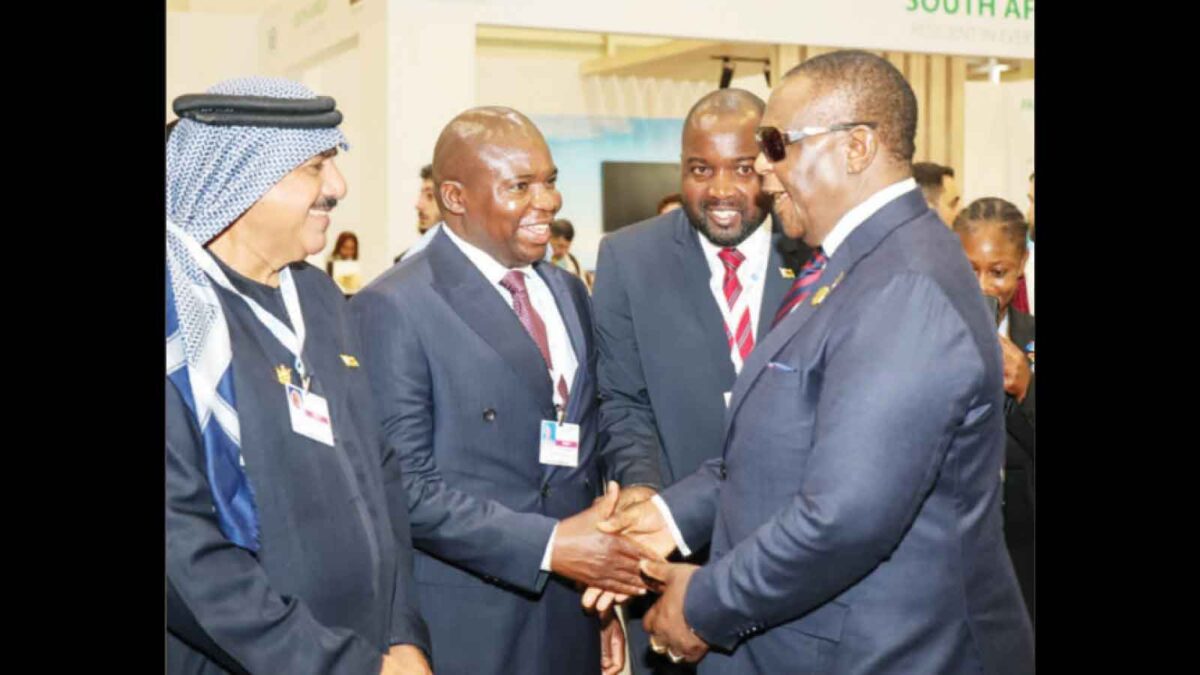
Speaking at a high-level meeting during the Leaders’ Summit on the sidelines of the ongoing 31st Conference of the Parties to the United Nations Framework Convention on Climate Change (COP31) here, VP Chiwenga said Zimbabwe was seeking partnerships to reduce the risks associated with investing in electricity and attract more funding.
This, he said, could be achieved through financial guarantees, concessional loans and support for the construction of electricity transmission lines.
VP Chiwenga called for the establishment of a Global Electrification Investment Facility to help protect investors against potential losses, making it easier to attract funding from pension funds and sovereign wealth funds to expand electricity access.
“We, therefore, seek partnerships in shifting focus from project financing to system de-risking through guarantee instruments, concessional capital for transmission and viability gap funding,” he said.
“Zimbabwe proposes the following under the 35 by 35 pledge. First, at COP31, we call for a Global Electrification Investment Facility that provides first-loss guarantees for Mission 300 compacts, unlocking pension and sovereign wealth capital at scale.”
VP Chiwenga invited development partners to support the financing of Zimbabwe’s Nationally Determined Contributions through measurable electricity connections.
Nationally Determined Contributions are formal climate action plans submitted by countries under the Paris Agreement to reduce greenhouse gas emissions and adapt to climate change.
The Vice President also called for regional co-operation, harmonised licensing frameworks and cross-border electricity trade through power markets such as the Southern African Power Pool.
“Our third-generation Nationally Determined Contributions commit that by 2035 we will have achieved 2 160MW of solar energy and 4 100MW of biogas and wind power combined,” he said.
“We invite partners to finance our Nationally Determined Contributions through measurable connections.”
VP Chiwenga highlighted the progress made by the Government in expanding electricity access, increasing power generation and boosting the contribution of renewable energy to the national energy mix as the country pushes towards universal energy access.
Zimbabwe is targeting increased electricity access over the next few years and plans to raise renewable energy capacity from 1 282MW in 2024 to 2 640MW by 2030.
To support these goals, the Government is liberalising the electricity market to allow independent power producers access to the national grid, introducing tax incentives and removing import duties on energy equipment.
“Our targets include electrifying 3,1 million households, increasing access from 41 percent in 2024 to universal access by 2030; expanding installed generation capacity to 5 432MW by 2030 from the current peak supply of about 1 500MW; growing renewable energy capacity to 2 640MW from 1 282MW in 2024; raising renewables from 8 percent to 30 percent of the total energy mix; achieving 70 percent access to clean cooking from the current 38 percent; and delivering 520 000 new electricity connections annually,” VP Chiwenga said.
“For all this to happen, we are reforming the market through liberalisation and third-party access to the national grid, fiscal incentives, zero-rated import duty on energy equipment and innovations for last-mile connectivity.”
VP Chiwenga also highlighted the Presidential Rural Solarisation Scheme, which targets one million households, saying progress remains constrained by electricity sector debt, below-cost tariffs, high financing costs and growing energy demand amid climate-related challenges.
COP31 brings together world leaders, climate negotiators and other stakeholders from countries that are parties to the United Nations Framework Convention on Climate Change to advance international co-operation and strengthen global responses to climate change.
The annual conference also provides a platform for engagement among business leaders, young people, climate scientists, indigenous peoples and civil society organisations on strategies to address the growing climate crisis.