Rutendo Nyeve
THE insurance sector has been challenged to harness emerging opportunities to unlock Zimbabwe’s capital and drive industrialisation, both locally and across the African continent.
This call emerged on Thursday during the 2026 Southern Africa Insurance Indaba, held in Victoria Falls.
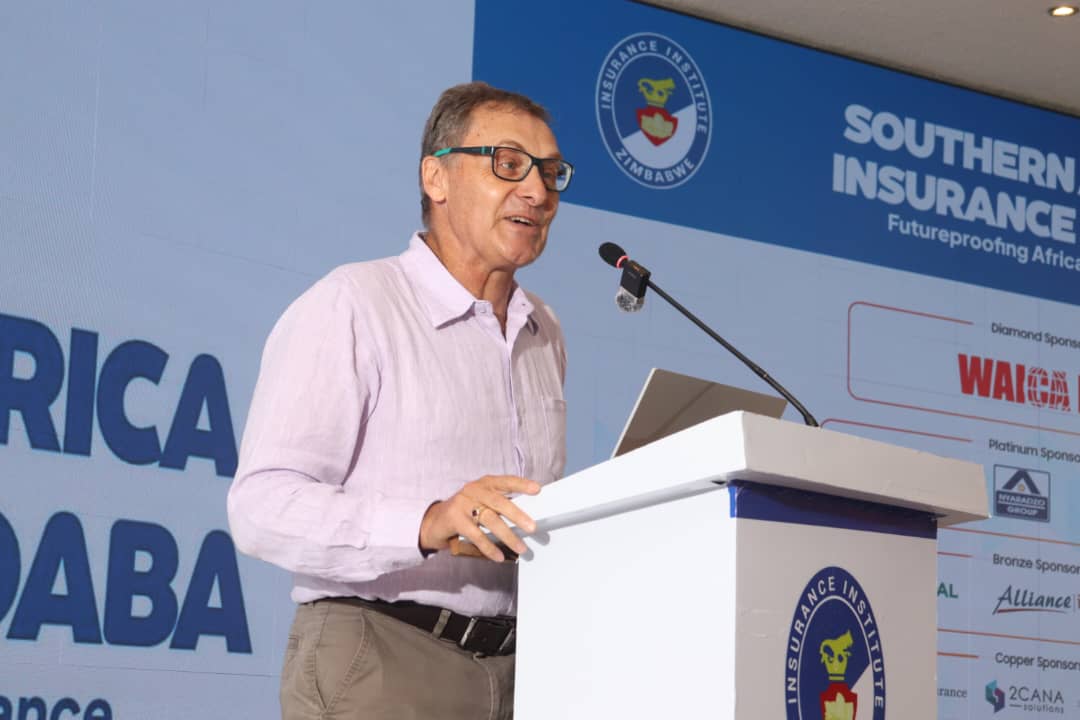
The high-profile event is being held under the theme: “Futureproofing Africa Insurance: Building Resilient, Inclusive and Technology Driven Markets.”
The Indaba brings together industry leaders, regulators, and executives to map the future of the sector in an era of rapid technological and economic shifts.
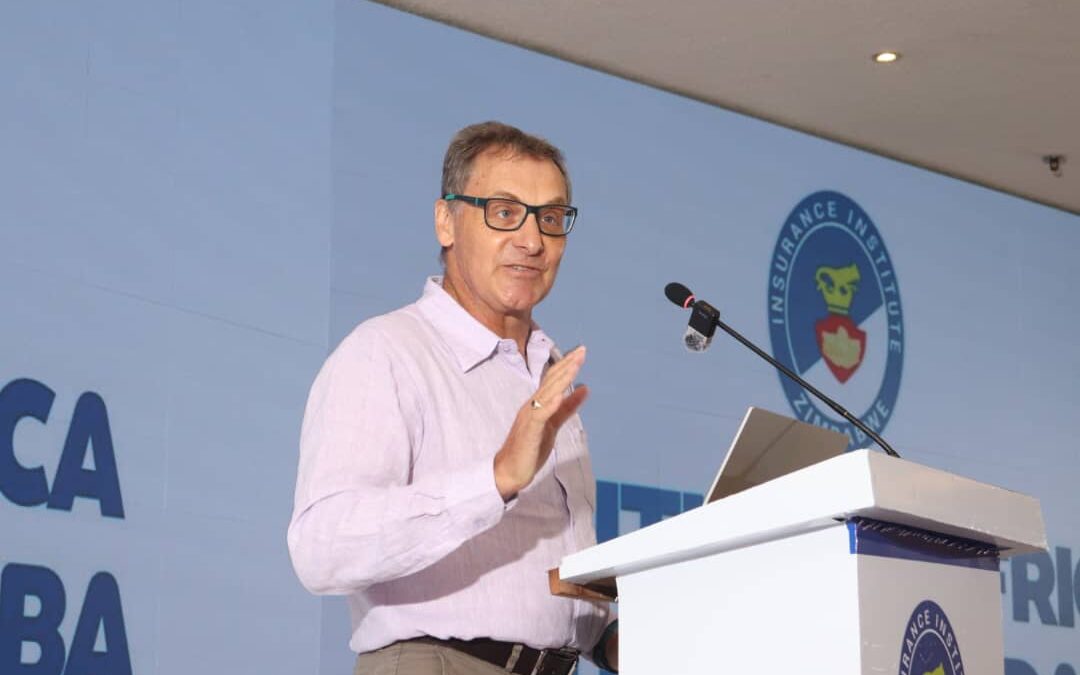
Delivering the regional keynote address on Thursday morning, Mr Willem Smith argued that insurance is not merely a safety net, but the foundational engine required to propel the continent’s economic growth.
Addressing delegates, Mr Smith said despite Africa’s estimated real GDP growth of 4.4 percent in 2025 which outpaces the global average of 3.4 percent, the continent remains the world’s fastest-growing but most under-insured region.
He said the African average insurance penetration sits at a mere 2.7 percent, a stark contrast to South Africa’s 11.5 percent.
“Africa: growing fast, insured thinly,” Mr. Smith said, emphasising that thin insurance markets are slowing industrialisation because big projects cannot find enough capacity.
He provided a clear economic chain to explain how the sector unlocks capital.
“No insurance, no loan: how capital starts to flow,” he said.
Mr Smith explained that when stock, buildings, and equipment are covered, collateral is protected and the lender’s risk falls.
“A bank will lend against a warehouse; it will not lend against one that can burn down uninsured,” he said.
“Insurers are investors too. Premiums pooled today buy the government bonds, infrastructure and equities that fund tomorrow’s roads, ports and factories.”
Citing World Bank studies and field experiments in Ghana, he said insured borrowers get funded.
“Every insured factory is a bankable factory,” he added, urging the sector to embrace technology and data to drive financial inclusion.
Mr Smith also challenged the industry to address modern risks, including climate change.
He said Africa suffered about US$3 billion in natural catastrophe losses in 2025, of which under 20 percent was insured.
He called for a shift in modelling.
“The weather has stopped reading the historical averages; our pricing should too.”
He further highlighted the role of Artificial Intelligence (AI) in transforming the sector, citing its potential value of US$2.1 to 3.2 billion for African insurers.
“AI can settle a claim in seconds. Unfortunately, it can also write a very convincing fake one,” he said.
Mr Smith reminded delegates that while the tools have changed, the core mission remains.
“The underlying principles of insurance have not changed in thousands of years. The technology and the way we deliver it have, and we should embrace that change,” he said.
The Indaba continues with discussions on financial stability in a digital age, building Africa’s next
insurance leaders, and capital resilience, culminating in a presidential handover gala dinner on Friday evening.