Online Reporter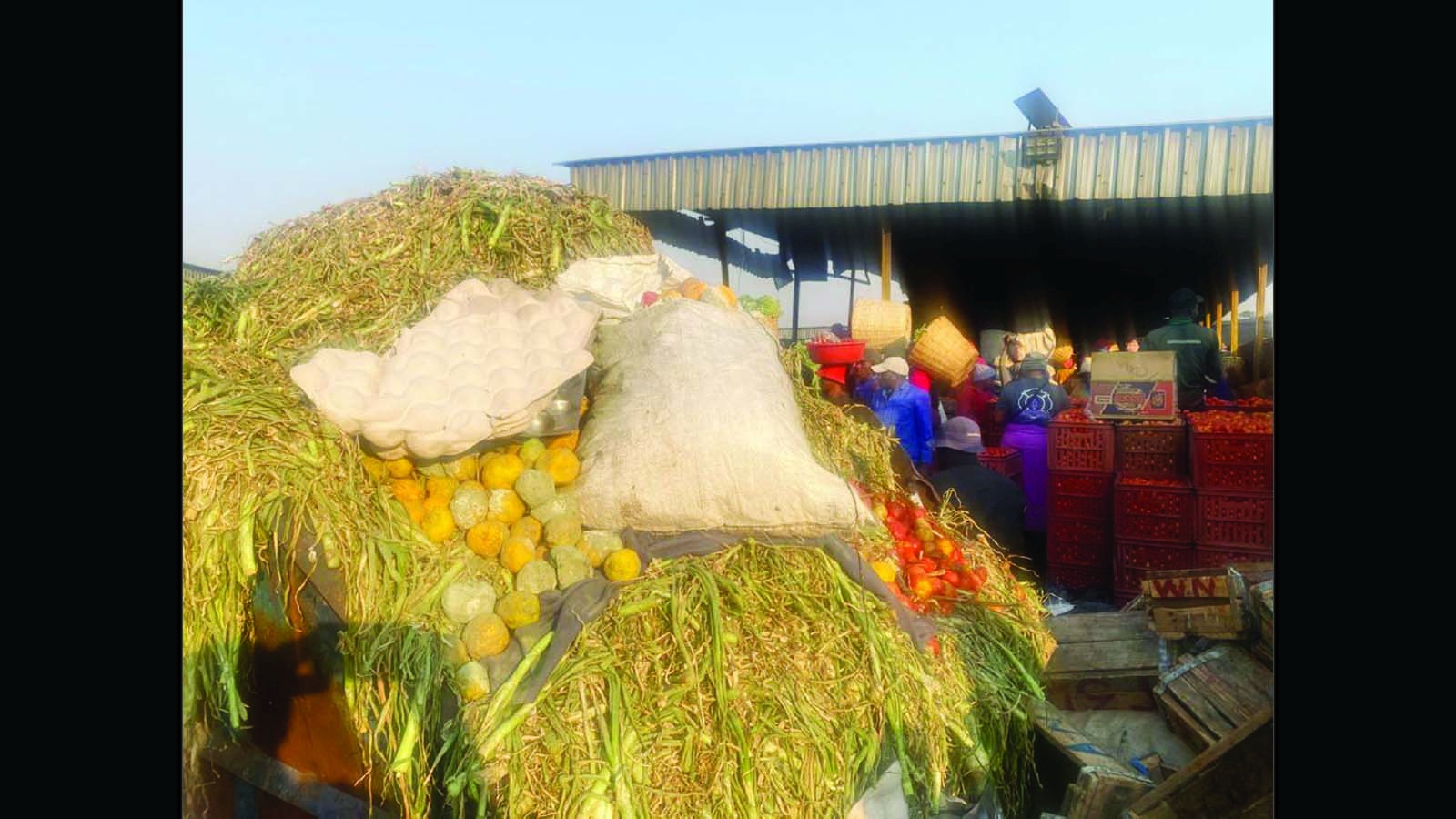
Doris Mpala
Agriculture Correspondent
The horticulture industry has called for increased investment in warehouses and storage facilities to cut post-harvest losses and safeguard fresh produce during periods of low demand and extreme weather.
This comes as the country is anticipated to experience a Super El Niño during the 2026/27 cropping season.
Fresh produce market analyst Dr Charles Dhewa said markets in Zimbabwe could face increased losses, as extreme heat linked to the impending Super El Niño accelerates the ripening of fruits and vegetables.
He said the changing climate was putting additional pressure on farmers, traders and fresh produce markets, with inadequate storage, processing and preservation infrastructure worsening post-harvest losses.
“Commodities such as tomatoes, leafy vegetables, avocados, oranges and other fruits are particularly vulnerable to excessive heat, which causes them to ripen quickly and deteriorate before reaching consumers.
“It is important to develop a system where produce could be collected, sorted, stored, processed and preserved before it deteriorates,” said Dr Dhewa.
He said fresh produce losses in Zimbabwe were estimated at around 40 percent, meaning that approximately four out of every ten crates of tomatoes could be lost.
“So losses are increasing. Our losses in fresh produce as a country are around 40 percent, which means out of every ten crates of tomatoes, four are lost. This is a big issue that we need to look at as a country,” he said.
He said farmers were already doing their best to produce food and generate income from their produce.
“When markets are not functioning well, farmers lose a lot of money.
‘‘They bring commodities to the market and they don’t get income,” he said.
“We need to support farmers. We need to come up with big warehouses, where we can just store food as a country. Someone else should be responsible for liberating what is produced, sorting it, putting it into the market, processing it and adding value,” he said.
The agriculture expert said such an approach would ensure farmers continue producing food without having to wait for consumers to create demand.
He also raised concern over the amount of fresh produce being discarded at major markets, such as Mbare.
Dr Dhewa said fruits and vegetables such as lemons and oranges were ending up in bins because of inadequate infrastructure and limited capacity to handle perishable commodities.
“A lot of food is being discarded in bins; if you talk about lemons, oranges and other commodities that should not be in bins, these are the issues.
‘‘Fresh produce is not getting the attention that it deserves,” he said.
Dr Dhewa said the country had traditionally placed greater emphasis on crops such as maize, despite the significant role played by horticulture in the livelihoods of farmers. “There’s a lot of attention going to maize and other commodities which don’t rot as much and which are not affected by too much heat.
‘‘Yet the majority of farmers – more than 70 percent of Zimbabwean farmers – are into horticulture, which is affected by the heat,” said Dr Dhewa.
He said fresh produce markets were also critical to national food security, with mass markets handling more than 70 percent of the country’s food, but lacking adequate infrastructure for handling perishable commodities.
“Mass markets are handling more than 70 percent of the country’s food, but there is no infrastructure for handling food so that we reduce losses.
‘‘This means we really need to treat it as an emergency,” he said.
Dr Dhewa called for the establishment of an early warning system within fresh produce markets to enable farmers, traders and authorities to anticipate changes in supply, demand and weather conditions.
“We need an early warning system from the market,” he said.
Dr Dhewa said addressing fresh produce losses required collaboration between farmers, traders, development partners and local authorities responsible for managing markets.
He said the country needed to treat fresh produce losses as an urgent food security issue, particularly as climate change continued to expose horticultural production and markets to extreme weather conditions.