

 Online Reporter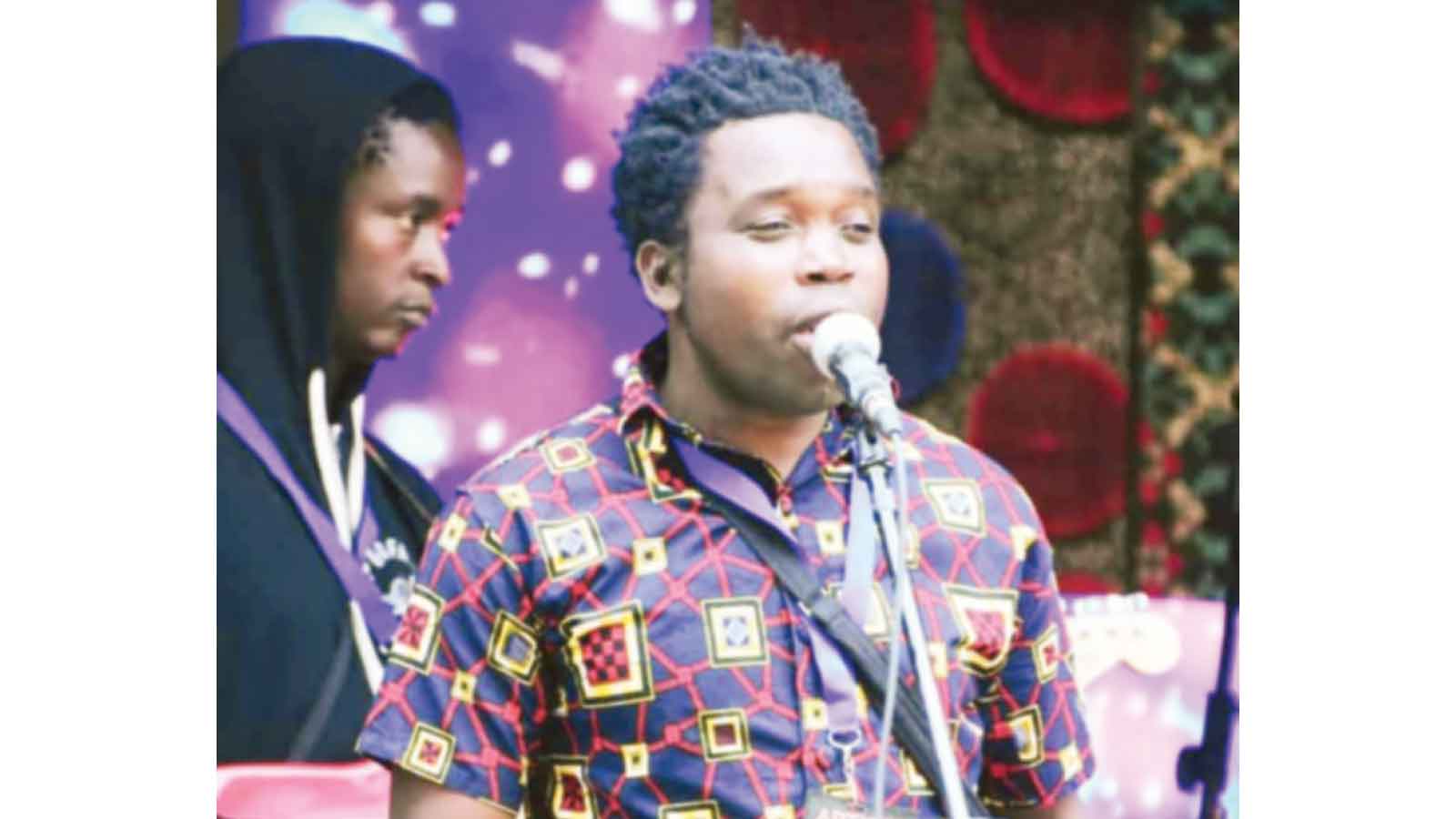
Trust Khosa
Zimpapers Arts and Entertainment Hub
AFRO-FUSION singer and academic Maizon Tazvitya firmly believes the fight against drug and substance abuse can be won if all stakeholders pull in one direction.
As the frontman of The Ancient Tribe, he has gained recognition for campaigns that are yielding tangible results, particularly as he continues to advocate meaningful youth engagement.
In pursuit of curbing what he describes as a new “cancer” threatening the future of young generations, Tazvitya has consistently engaged key actors across the policy, health, and Government spheres.
Through monthly shows held countrywide, he seeks to fight the scourge through music.
Tazvitya recently held an interface with partners at a Harare hotel, where he urged them to remain resolute in addressing the scourge.
Having been active in the music industry for some time, he used the occasion to link up with fans.
Throughout his advocacy efforts, Tazvitwa has collaborated with policymakers, health experts, and Government officials to address the root causes of substance use.
He has also vowed to use his influence to change the narrative surrounding drug abuse — shifting from stigma to understanding by addressing underlying drivers such as unemployment, mental health challenges, and peer pressure.
The latest instalment of the event met expectations, as he continued to sustain public dialogue and stakeholder participation.
In an interview with Zimpapers Arts and Entertainment Hub, Tazvitya expressed confidence that the campaign would deliver results.
“I have been doing these concerts aimed at mobilising stakeholders from Government, academia, civil society, and the private sector to campaign against drug and substance abuse,” he said.
“As an artiste, my heart bleeds to see younger generations suffering from drug and substance abuse.”
He further noted that a central goal is to shift the narrative from stigma to understanding by addressing the root causes of substance use so that “no one is left behind” in the attainment of Vision 2030.
Tazvitya, who works with various partners including the Harare Institute of Technology and the University of Zimbabwe, emphasised that tertiary students must be actively involved, given their energy, capacity for influence, and vulnerability to the risks posed by substance abuse. He argued that universities play a critical role in information dissemination, research, and student mentorship —making them essential partners in sustaining long-term behaviour change.
He added that his last concert was meant to engage various stakeholders in the fight against drug and substance abuse.
These included the Zimbabwe Red Cross Society, which runs drug testing and rehabilitation facilities in Harare; Restore Life, a centre offering psycho-education, prevention, and post-rehabilitation support to more than 2000 young people since 2022, the Angel of Hope Foundation, which collaborates with Government to provide skills training for recovering youth; and the Drug-Free Livelihoods Centre under the Ministry of Health and Child Care, which offers vocational training and reintegration support across eight centres nationwide.
Through live performances and facilitated dialogues, the concerts are designed to disseminate accurate information on prevention, treatment, and reintegration pathways for affected individuals and families.
Tazvitya’s background in the social sciences informs his use of artistic platforms to address not only drug abuse, but also broader public health challenges such as gender-based violence and breast cancer awareness.
He said the expected outcomes included increased public awareness, improved referral linkages to treatment and counselling services, and greater youth participation in peer-led prevention programs.
In addition, the monthly concerts are expected to strengthen partnerships among cultural practitioners, health professionals, academic institutions, and civil society, thereby supporting evidence-based messaging beyond the event itself.
Tazvitya noted that the initiative aligns with Zimbabwe’s National Development Strategy 2 under the Health and Well-being, Human Capital Development, and Youth, Sport and Culture pillars, which prioritise reducing substance abuse and improving community resilience.
He further stated that the approach complements government efforts under the National Committee on Drug and Substance Abuse and the Multi-Sectoral Action Plan launched in 2024.
He added that involving rehabilitation centres and survivor support organisations ensures that information reaches communities in practical and actionable ways, reinforcing that the fight against substance abuse is everyone’s responsibility.
Ultimately, he said, the concerts seek to contribute to a healthier and more productive population capable of driving Zimbabwe’s socio-economic transformation toward middle-income status by 2030.
As such, Tazvitya’s advocacy demonstrates how art, education, and stakeholder engagement can be mobilised to confront drug and substance abuse in a sustained and evidence-informed manner.
By focusing on youth participation, strengthening referral systems, and working closely with universities and rehabilitation partners, his campaign advances both prevention and recovery.
As an academic and a role model, Tazvitya remains optimistic that coordinated action — rooted in understanding and long-term support — can significantly reduce substance abuse and protect future generations.



