Online Reporter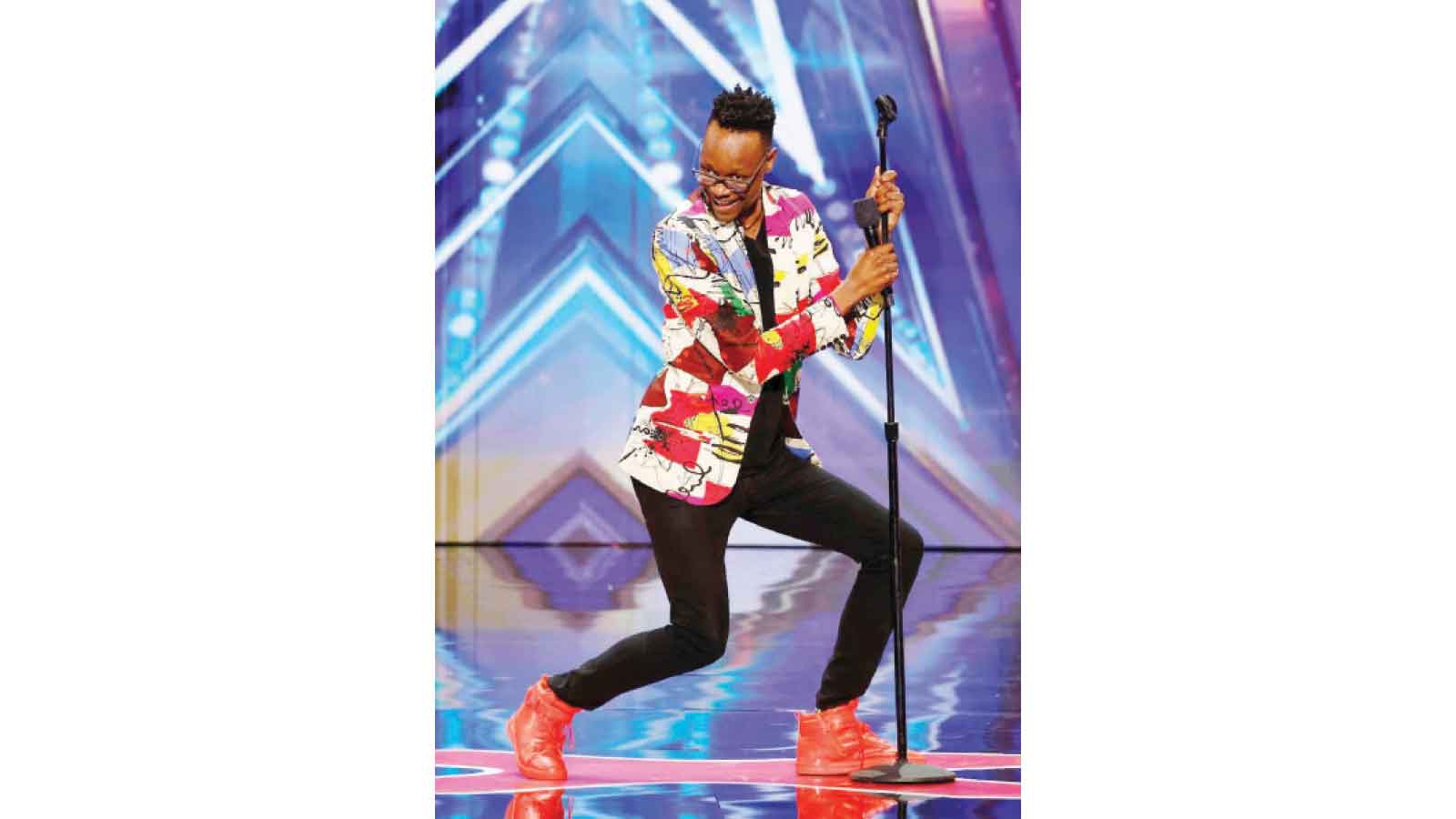
Langalihle Mhiti
COMEDIAN Learnmore Jonasi has sparked widespread debate on social media after defending his style of comedy and his portrayal of African culture, village life and identity.
The comedian addressed criticism from some people who accuse him of mocking African lifestyles and traditions.
Jonasi argued that his comedy is rooted in lived experience rather than ridicule.
“Some Africans actually hate that I represent a part of themselves they were taught to hate,” he wrote.
He said when he jokes about his village, accent or upbringing, he is not looking down on Africans but, instead, embracing his own journey openly and honestly.
“When I joke about my village, my upbringing, or where I come from, I’m not looking down on Africans.
“I’m speaking from lived experience. I’m owning my story out loud,” he said.
Jonasi’s comments ignited debate among social media users, with some praising him for addressing deeper issues surrounding identity, colonial mentality and cultural shame.
The comedian suggested that many Africans grew up being conditioned to feel embarrassed about aspects of their culture, especially those associated with rural life, local accents and traditional lifestyles.
“A lot of us grew up being taught that anything too ‘African’ was something to hide, soften, or be embarrassed by,” he wrote.
According to Jonasi, some of the criticism directed at him stems from discomfort people feel when they see someone publicly embracing those experiences, without shame.
“So when they see someone fully embracing it without shame, it makes them uncomfortable,” he said.
The comedian said he does not blame those who criticise him, arguing that broader historical and social influences shaped such attitudes over time.
“I understand it. I don’t blame them. I blame what was done to us,” he said.
His remarks have resonated with many followers who viewed his statement as an important reflection on African identity and self-acceptance.
Some social media users applauded Jonasi for proudly representing Zimbabwean culture through humour, saying his comedy reflects real-life experiences familiar to many ordinary people.
Others argued that comedians should still be careful not to reinforce stereotypes, especially before international audiences.
However, supporters countered that by saying authenticity should not be mistaken for self-hate.
Jonasi concluded his statement by reaffirming his commitment to representing his background and culture unapologetically.
“But I will never stop representing myself, my people, my accent, my village, or my culture the way I experienced it.
“That’s not self -ate. That’s freedom,” he wrote.
Over the years, Jonasi has become one of Zimbabwe’s most recognisable comedic voices, with his skits and performances often centred on relatable family situations, rural life and social commentary.
His latest remarks have now opened a broader conversation about how Africans view themselves, their languages, accents and cultural backgrounds in modern entertainment spaces.
As debate continues online, many observers say the discussion highlights the growing role entertainers play in shaping conversations around identity, representation and cultural pride in Africa.


 Bongani Ndlovu