Online Reporter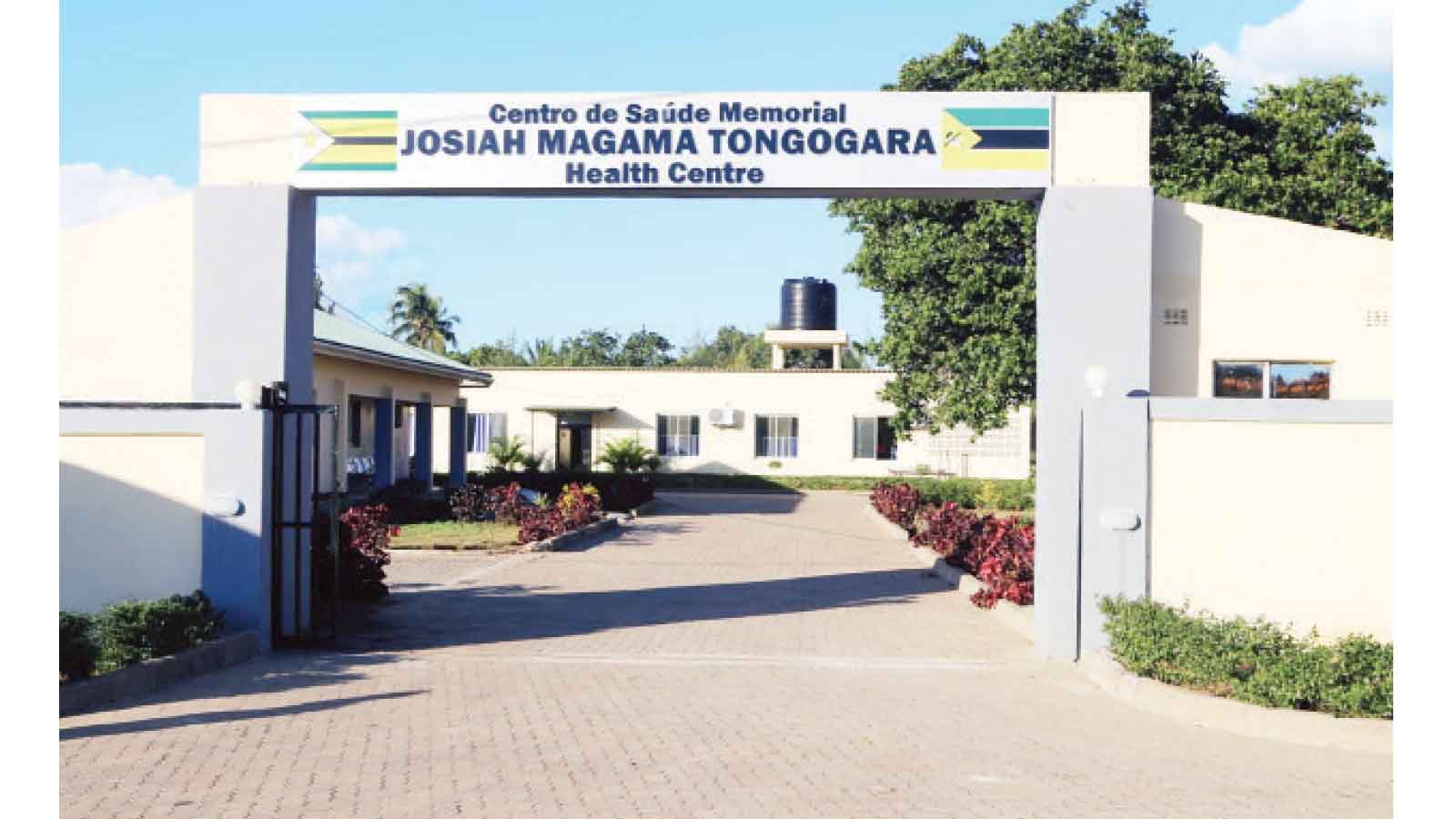
Prosper Farai Matanda in MASSINGA, Mozambique
In the quiet village of Magacaia in Massinga District, Inhambane Province, Mozambique, about 546 kilometres from Maputo, stands a site where history, sacrifice and memory converge.
It was here that liberation war commander and icon, General Josiah Magama Tongogara, was involved in a tragic accident on December 26, 1979, while travelling from Maputo to Chimoio.
He was going to inform the liberation fighters that the war had ended after successful Lancaster House talks in which he had taken part days earlier.
His death was received with shock and mixed emotions worldwide. It was a poignant moment in the history of Zimbabwe’s liberation struggle.
With a single stroke of fate, the larger-than-life liberation war commander was gone. With him went the hopes of many who had looked forward to seeing him in an independent Zimbabwe, contributing to the reconstruction of the country and shaping the lives of generations to come.
Although General Tongo is no more, his legacy lives on.
Today, more than four decades after that tragic accident, his name remains woven into Zimbabwe’s liberation history. Like the gentle giant that he was, the collective story of freedom continues to straddle the borders of Zimbabwe and Mozambique, and indeed, the African continent.
General Tongogara was deservedly accorded national hero status and buried at the National Heroes’ Acre in Harare, and over time, his legacy found further expression in the naming of a major Harare road and the Army Headquarters Barracks in his honour. To further memorialise his legacy, a project to physically memorialise the place of his death was mooted.
Thus, in 2018, the Government, through the Josiah Magama Tongogara Legacy Foundation, an organisation established to honour, preserve and promote the history and ideals of the late national hero, embarked on a project to give physical expression to his enduring legacy.
Among the initiatives was the idea of construction of a hospital through the then Commander Zimbabwe Defence Forces and now Vice President of Zimbabwe, General Constantino Guvheya Dominic Nyikadzino Chiwenga.
General Chiwenga together with Chinese partners, initially constructed a maternity clinic opposite the scene of the accident and thereafter there was an idea to construct an outpatient’s block, staff quarters and incinerator.
The Government of Mozambique also intervened and constructed the administration block, laundry block and mothers’ waiting area. Construction of the monument also began in February 2018, with assistance from the Zimbabwe Defence Forces (ZDF) and collaboration with the National Museums and Monuments of Zimbabwe (NMMZ).
According to the curator of the monument project, Ms Rumbidzai Bvira of NMMZ, the initial work involved the erection of a cenotaph highlighting the significance of the site, as well as information and interpretive panels documenting General Tongo’s life, military career and contribution to the liberation struggle.
A symbolic grave was also constructed to mark the exact spot where the accident occurred. The symbolic grave had been marked by the locals in 1979 and all along they had been maintaining it.
Just a few metres away stands another emotional reminder of that fateful day, a mango tree planted by a local resident, Mr Fernando Joao Dias, to memorialise the scene of the accident.
Mr Joao was among the first people to arrive at the site after the accident in 1979. He became one of the important custodians of the history of the place, preserving and passing on memories of what happened there. He died in 2023, just as the memorial project was nearing completion. His passing marked the loss of a living link to that chapter of history.
For years, Mr Joao had symbolically watered the mango tree, unknowingly nurturing a powerful metaphor for life, continuity and posterity. The tree survived the passing of generations and now stands as part of the monument as a living memorial to the fallen commander.
The project’s vision extends beyond preserving history to touching lives. Opposite the site of the accident stood an old maternity clinic that local residents had initially established in honour of General Tongogara. It was a makeshift structure made from coconut leaves and stalks. The site of the old clinic is also part of the four components of the monument today.
Today, the expanded Josiah Magama Tongogara Memorial Maternity Clinic, represents more than an infrastructure project.
It is in keeping with the National Museums and Monuments of Zimbabwe concept of developing meaningful amenities around important memorial sites.
It is also a gesture of gratitude to the people of Mozambique, whose country provided sanctuary, support and immense sacrifice during Zimbabwe’s liberation struggle. The assistance rendered by Mozambique and its people remains an important part of the story of Zimbabwe’s independence.
Therefore, the clinic serves both as a memorial to General Tongo and as a lasting expression of Zimbabwe’s appreciation to the people who stood with its liberation struggle.
The successive Zimbabwe ambassadors to Mozambique, the late Lieutenant General (Retired) Douglas Nyikayaramba and the late Ambassador Victor Matemadanda were also instrumental in spearheading the project.
Construction of the clinic became a collaborative effort involving the Government through the Zimbabwe Defence Forces, the Government of Mozambique and cooperating partners.
Today, a project befitting the larger-than-life character of General Tongogara stands magnificently at Magacaia.
The memorial comprises the cenotaph, symbolic grave, memorial tree and the old clinic, all linked by paved paths constructed by ZDF engineer artisans and other stakeholders. The northern and southern approaches to the medical facility have also been developed, giving the site a sense of order and permanence befitting its historical significance.
The maternity clinic itself comprises an administration block, outpatients’ department, waiting mothers’ area, incinerator and staff houses. The ZDF also equipped the facility with modern medical equipment and various essential medical sundries.
The most meaningful measure of the project, perhaps, is not found in its architecture, but in the lives, it is already touching. The facility serves a wide area stretching from the Mabihale area into Massinga town, providing essential medical services to communities that previously had to travel considerable distances for assistance.
According to members of the local community, the clinic has made a significant difference, particularly for pregnant women who no longer have to undertake long journeys in search of maternity services.
Mr Xavier Matsimbe, Balane Village head, where the hospital is located, shared that the facility is a welcome development for his community.
“The hospital has been warmly embraced by the local community, not only for its prompt and attentive care, which stands out from other facilities, but also for the critical infrastructure it has brought, including reliable water and electricity,” he said.
“Its presence draws patients from surrounding areas, all seeking its superior services. Its location, adjacent to the monument of the esteemed General Tongogara, further cements its importance to the local heritage.”
The clinic covers a population of about 18 500 from Balane, Chilubwana, Macaringa, Chichokwuene and Guma Alto villages.
The clinical officer at the hospital, Mr Lourenzo Caitano, said the first delivery at the facility was on December 13, 2025. To date, 199 babies have been delivered.
There is also something deeply emblematic about the first cries of life emerging from a facility carrying the name of a man whose own life was cut short while travelling in the service of a nation yet to be born.
Anecdotally, the first baby delivered at the facility in December 2025 was named Josiah and the first female baby born, reportedly the third delivery at the clinic, was named Angeline, a tribute to General Tongo and his widow, Mrs Angeline Tongogara, respectively. In that sense, the memorial has become more than a place where the past is remembered.
It has become a place where the future is born. The symbolic grave speaks to the sacrifice of a liberation hero and the memorial tree speaks to continuity, while the clinic speaks to life.
Collectively, they tell an immortal story that transcends death.
General Tongogara may have fallen before witnessing the birth of the Zimbabwe he fought for, but his name is now attached to a facility where mothers give birth and children take their first breath.
Perchance, that is one of the most fitting ways to preserve the legacy of a man whose life was dedicated to the future of his country.
As the project awaits official commissioning, its dual impact is already evident. It preserves an important chapter of Zimbabwe’s liberation history while responding to the contemporary needs of the Mozambican community that continues to live around the site where General Tongo met his tragic end.
Therefore, more than four decades after his death, the memorial at Magacaia speaks to the truth that the best monuments to fallen heroes are not necessarily those made of stone and concrete. They are those that carry memory forward while improving the lives of the living.
Undoubtedly, General Tongo’s sacrifice helped open the door to Zimbabwe’s Independence. Today, at the place where his journey ended, his legacy is helping give new life to another generation, and even more future generations.
As Zimbabwe turns a page to another commemorative chapter this August and beyond, May General Tongo’s legacy continue to live on!