Online Reporter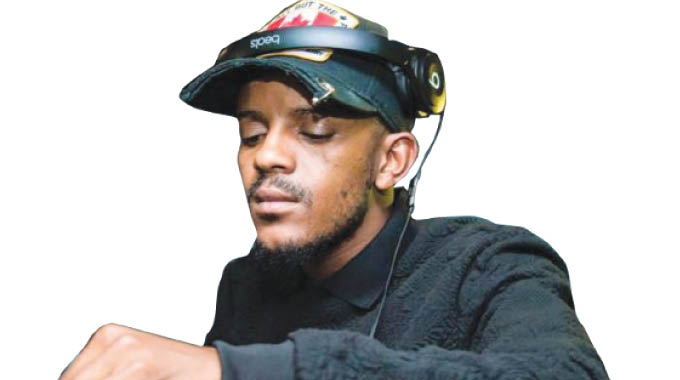
Trust Khosa
Zimpapers Arts and Entertainment Hub
AFTER the turbulence brought by xenophobic attacks, South African artists are reviving their love affair with Zimbabwe.
Like sport, music has shown that it can heal bleeding souls and unite nationalities through song and dance.
With multiple festivals lined up in Zimbabwe starting next month, notably the Jacaranda Festival in October, South African acts are being booked for shows again in this country.
Two popular Amapiano acts, King De Small and Scott Maphuma, are heading to Zimbabwe this weekend for performances in Harare.
Kabza De Small is widely regarded as one of the defining figures in the development and global rise of Amapiano.
His latest tour to Zimbabwe is being bankrolled by Midridge Entertainment Group.
The group of led by its CEO, Kudakwashe Mutomba, aka DJ Kush, who has a strong background in music and business management.
He spent several years in Malaysia.
He said bringing Kabza De Small to headline the official opening of a night spot in the capital.
“Hosting Kabza De Small for our grand opening aligns with our commitment to bringing top-tier talent and unforgettable experiences to our patrons,” Mutomba said.
Last month, amid the fallout from the xenophobic attacks, Alick Macheso was forced to pull out of a festival in South Africa.
Macheso’s spokesperson, Tich Makahamadze, said the sungura superstar valued his South African fans and was concerned about the safety of fans amid the unrest.
“South Africa is like a second home to us. Over the years, we have managed to build a strong fan base across several provinces, from Venda to KwaZulu-Natal, which speaks volumes about the appeal of the Orchestra Mberikwazvo brand,” said Makahamadze.
“We perform there regularly, but recently we had to cancel our appearance at the Silala Festival despite all contractual obligations having been fulfilled.
“We also understand that the unrest has not yet subsided in some areas, and that has affected us.
“We spoke to the organisers and reached a mutual agreement because it was unsafe to proceed when the safety of our fans could not be guaranteed.”
Makahamadze said the band would only return to South Africa once the security situation had normalised.
“The issue of xenophobia has not only attracted the attention of Africa, but also the rest of the world.
“In this case, we had to prioritise the safety of our supporters.
‘‘There are circumstances in life that are beyond our control, and these should never be taken lightly.”