Herald Correspondent
THERE is a road that runs from Kambuzuma Section 6 in Harare, all the way to Denton County in Texas.
It is not marked on any map, but Michelle Netsai Butler has just walked it.
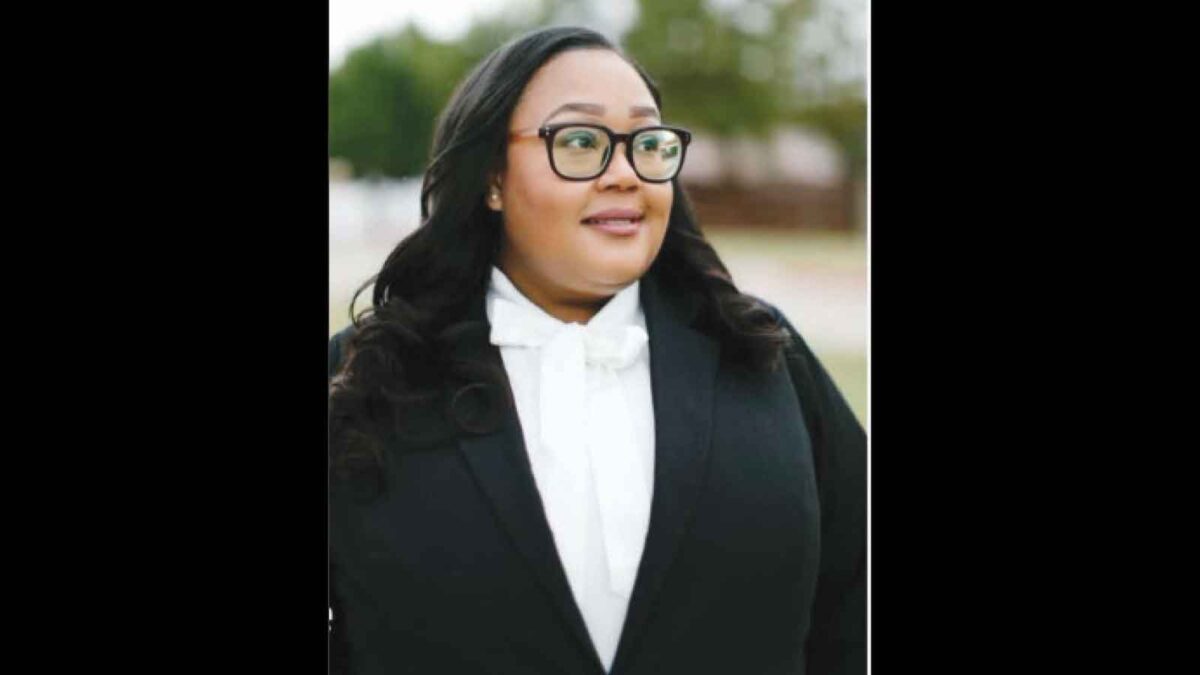
On November 3, Butler, a Zimbabwean-born mother of two, was elected Justice of the Peace for Precinct 6 in Denton County, making history as the first black judge ever elected in the county and the first black judge of Zimbabwean heritage elected to public office in the United States.
For a girl raised in Kambuzuma, who attended Kurai and Darwendale Primary Schools, it is a journey almost too extraordinary to believe.
Yet, it happened.
Minutes after her win was confirmed, Butler posted a message on Facebook that said everything about the kind of judge she intends to be.
“We did it. And we did it together. JP6, this victory belongs to you.”
She did not thank power brokers or party bosses first.
She thanked her neighbours. The teachers who teach her children.
Her Hebron Band family. The friends who became family.
“From the very beginning, you didn’t just show up for me. You made it known that you wanted to be part of this journey,” she wrote.
She remembered the people who came to the polls to pray with her and sit beside her to keep her safe.
The people who made sure she ate when the campaign left her no time to think about food. The people who called, texted and checked in when the days got heavy.
“I saw you. I felt your love. And I will never forget it.”
And to the team behind her, she was clear: “No one wins elected office alone. This took an extraordinary amount of work, sacrifice, long days, late nights, and people who believed in a mission bigger than themselves.”
Butler’s story is not one of sudden fame.
It is a story of slow, steady service.
The daughter of Gideon Shambambeva and Victoria Njagu, she has lived in Carrollton, Texas, for more than 20 years. She raised two daughters there.
She volunteered in the schools. She became part of the fabric of the community.
For 17 years, she worked in community organisation, voter protection and public policy advocacy across the United States. She worked on the presidential campaigns of Joe Biden, Kamala Harris and Elizabeth Warren. She led teams of thousands of organisers. She managed million-dollar advocacy budgets.
She worked alongside lawyers fighting voter suppression. She helped families trying to find their way through immigration courts.
In March, she won the Democratic primary against Sophia Anwar, becoming the first Zimbabwean-American to win a major party primary in America. That was history. November was history again.
She is also related to the family of prominent Zimbabwean publisher and academic, Professor Ibbo Mandaza.
As Justice of the Peace, Butler will serve a four-year term in a court that deals with the real, daily struggles of ordinary people — small claims, evictions, traffic citations, school truancy, and marriages.
It is the same Government building where she once went to get her marriage licence and her first American passport. Now she will sit on the other side of the bench.
That, she says, is why she understands what is at stake.
“I am ready to build a court where everyone is welcome, where every person is treated with dignity, and where justice isn’t determined by how much money you have, who you know, or where you come from. A court that belongs to the people it serves,” she wrote.
“I may have been the name on the ballot, but this victory has thousands of fingerprints on it. You trusted me with something extraordinary. I will never take that responsibility lightly.”
“I intend to serve every single one of you with integrity, compassion, and the understanding that public service is an honour.”
From Kambuzuma to Texas, Butler’s message is simple, and it is now her promise: “From the bottom of my heart, thank you for making history with me. Justice starts here.”