Online Reporter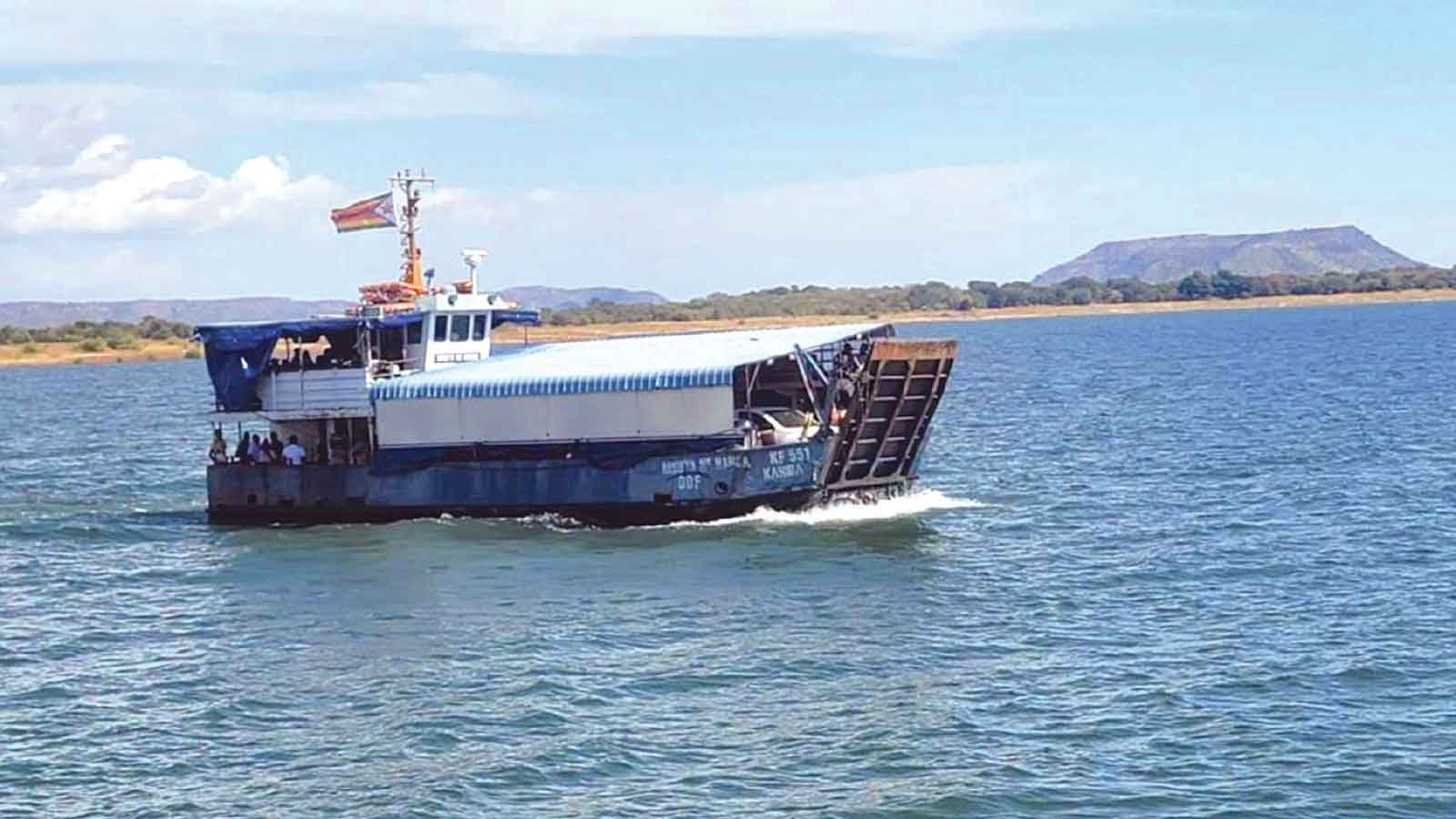
Natalie Makanaka Burutsa
Youth Interactive Writer
WE extend our deepest condolences and solidarity to the bereaved families, survivors and the entire Kariba and Chalala communities reeling from the tragic loss of life following the capsizing of the Mbuya Nehanda Ferry.
May the memory of those lost inspire compassionate support, collective healing and decisive reform.
When the passenger ferry capsized on Lake Kariba, claiming over 90 lives, it exposed the devastating toll of geographical isolation on rural communities.
For the remote fishing area of Chalala, travelling 50 kilometres across open water was a structural necessity rather than a choice.
Reaching urban Kariba by road requires a punishing 400-kilometre detour over impassable terrain.
This disaster lays bare how spatial disconnection transforms administrative grey zones into dangerous high risk environments.
Systemic reform in remote governance
In the immediate aftermath, President Mnangagwa acknowledged that the tragedy “exposed serious deficiencies in our maritime capabilities which we have to address immediately so that our places of recreation do not become death traps”; translating this acknowledgment into lasting structural reform requires prioritizing three core areas:
- Bilateral co-governance in establishing a joint Zambezi Maritime Commission with Zambia to harmonise safety protocols, mandate synchronized weather warnings for severe phenomena like the Binga Wave, and cross-border emergency dispatch on shared waters.
- Infrastructure modernisation by replacing aging vessels operated by the Rural Infrastructure Development Agency (RIDA) with modern, multi-engine fleets equipped with automated bilge systems and mandatory life-saving equipment.
- Road network rehabilitation by accelerating promised rural/feeder road projects linking Kariba, Siakobvu and Chalala to eliminate single-point transit dependencies for isolated villages.
Trauma, psychological recovery and active relief
In isolated communities, safety compromises can often lead to the normalisation of deviance, where operating overloaded vessels becomes standard routine due to a lack of options or financial incapacities. When crisis strikes, the resulting psychological fallout is magnified by geographic disconnection and sudden loss of multiple family breadwinners. The Government’s recent pledge to “rehabilitate an impassable road linking Kariba, Siakobvu and Chalala” is a vital first step to reduce total dependence on unsafe travel options. Simultaneously, dedicated community organisations are actively intervening to manage the immediate fallout.
Organisations like FYNEX family support services have stepped out on their social media pages to share their condolences and to provide culturally grounded free and accessible mental health and counselling frameworks to help survivors and bereaved families process complex trauma.
How citizens can drive change for the future
Civic participation remains vital to supporting long-term recovery in disconnected regions through amplifying care channels like FYNEX family support services and regional counselling centres to ensure remote families know free professional care is accessible. Accessible mental health care is an essential first step toward collective healing.
Through the spirit of Ubuntu let us advocate for passenger safety through demand for safety audits, and strengthen rural emergency capacity by donating life jackets, medical supplies or operational support directly to verified local rescue networks such as the Tashinga rescue base and boat operator associations who serve as the first line of defence during inland water emergencies.
Natalie Makanaka Burutsa is a student at Africa University studying International Relations and Diplomacy