

 Online Reporter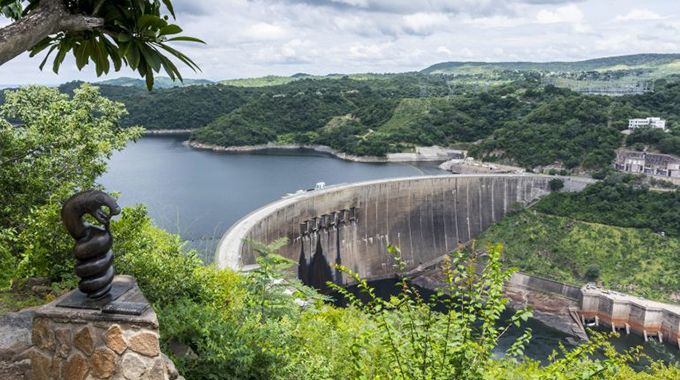
By Adeleen Nora
Built in the 1950s to generate electricity, Lake Kariba in Zambia and Zimbabwe has since supported activities such as tourism, fishing and conservation. All of these are affected by changes in water levels.
The 40km wide and 223km long Lake Kariba is the largest human created lake by volume. It typically undergoes seasonal rises and falls as a result of the rains.
Youths and women largely depend on fish from the lake
But since the 2010s, prolonged droughts and heatwaves have meant the water levels have seldom risen to full capacity.
As a resident of Kariba and a scholar who has studied social life at Lake Kariba for over a decade, I have learned about the effects of changing water levels both through personal experience and research. I have come to know that these fluctuations in the lake’s levels, together with other human activities, contribute to problems in the ecosystem, such as food insecurity for animals that live there.
In 2024, the lake’s water levels dropped to just 13 percent of the lake’s usable storage for generating electricity – a measure commonly used at Lake Kariba because the dam is a major source of hydroelectric power for Zimbabwe and Zambia.
However, since March 2026, things have been looking brighter. According to the Zambezi River Authority, there’s been a steady rise of the Lake Kariba’s waters due to the increased inflows from the upper Zambezi catchment area (the surface where rain falls and collects, which is then directed into a storage system, river, or lake).
Recently, Lake Kariba’s water levels were at 42,40 percent of the lake’s usable storage for generating electricity for the first time since 2019.
This is important because falling water levels at Lake Kariba have harmed fishing, tourism, electricity generation and human safety. The recent rise in water levels could ease pressures on local communities and wildlife.
What happens when the water drops
There’s a list of negative effects when the water level is low.
Crocodiles have less to eat: as a result, they try to steal fish out of fishers’ nets, causing damage that costs fishers a lot of time to repair.
Fishers suffer low fish catches: overfishing and using unregulated fishing gear (such as small mesh-sized nets), as well as the invasion of the lake by species like crayfish, mean fishers catch less, have fewer fish to sell and have less for their families to eat.
Fishers sometimes resort to fish driving — herding fish into nets or shallow areas to increase catches.
This can be done by beating the water, herding the fish with boats, making a noise, or working in groups.
It often results in fishers being attacked by wildlife or apprehended by the local authorities.
Increased competition over fish resources exposes fishers to potentially fatal crocodile attacks while they are removing their fish from nets.
Tourism suffers: research has found that cruises and boating are restricted when the waters drop too low for boats to navigate.
Electricity generation drops: in 2024, there were reports of blackouts and extended periods of loadshedding in most cities and towns in Zimbabwe and Zambia, which affected their daily routines and livelihoods. Some industries were also affected.
A rise in water levels returns things to a more normal state.
Hope as the water rises
The Zambezi River Authority predicts that the lake’s waters will continue to rise until July 2026. This will be promising, at least temporarily, to local communities, and the wider populations of Zimbabwe and Zambia. Water level rise often reduces loadshedding.
Because water levels are rising, fish spawning areas are likely to become more abundant. As the fish population regenerates, higher catches are realised, which means increased revenue and food security for local fishers and their families.
Another positive aspect of rising water levels is that competition over fish between fishers and crocodiles will reduce naturally, leaving less chance for humans and crocodiles to come into conflict as there will be abundant resources for both. Fishers will be able to avoid engaging in risky and illegal fishing practices, such as fish driving.
Water level rises are also good news for water-based tourism such as fishing for fun and game viewing. Boating into river estuaries known for large populations of animal and bird species can potentially thrive again.
What needs to happen next
Local authorities need to prepare for future drops in water levels. Climate change, including droughts and heatwaves, is likely to keep putting pressure on Lake Kariba in the years ahead. – theconversation



