Online Reporter
Robin Muchetu [email protected]
ZIMBABWE’S hard-won gains in the fight against HIV have ushered in a new public health challenge, with non-communicable diseases (NCDs) such as hypertension, diabetes, heart disease and cancer emerging as the country’s next major health security threat.
The warning came from Zimbabwe Defence Forces (ZDF) Commander, General Matatu Emmanuel , who said the success of antiretroviral therapy has enabled people living with HIV to live longer, but many are now developing chronic illnesses that require the country’s health system to move beyond disease-specific treatment towards integrated care.
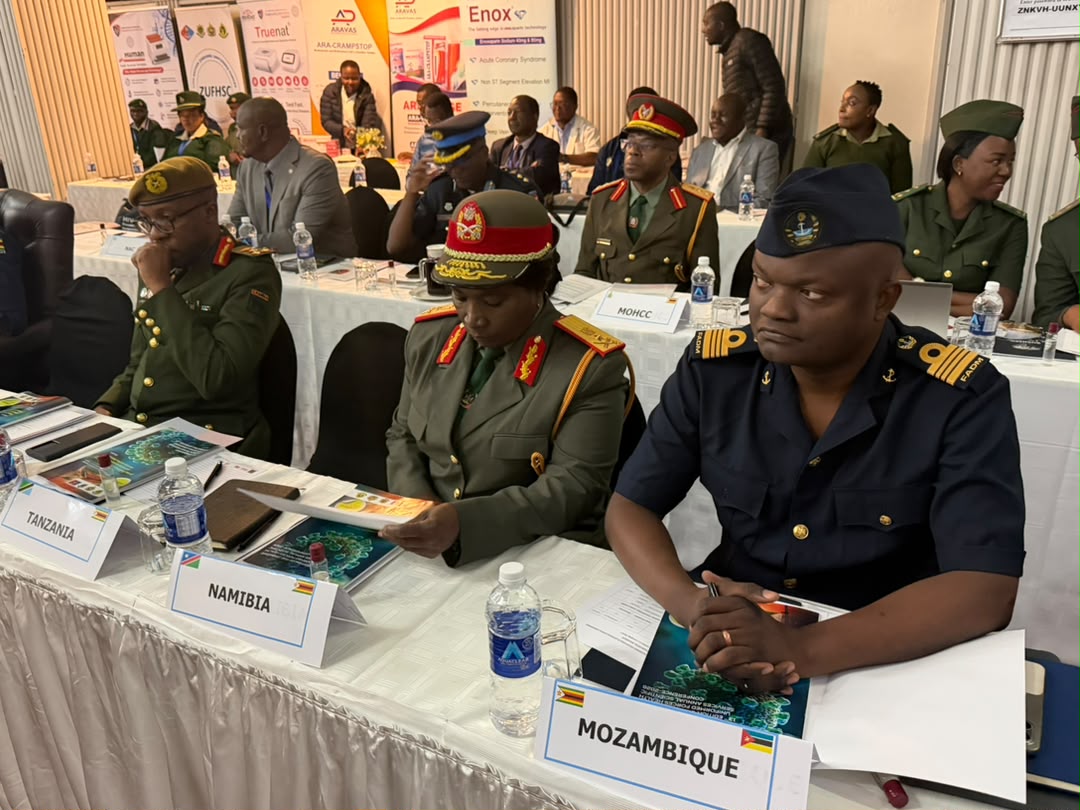
Speaking at the Zimbabwe Uniformed Forces Health Services Conference in Bulawayo yesterday, Gen Matatu said the changing disease profile is already evident within the uniformed forces, where nearly one in every three consultations now involves an NCD, with the burden particularly high among personnel aged 40 years and above.
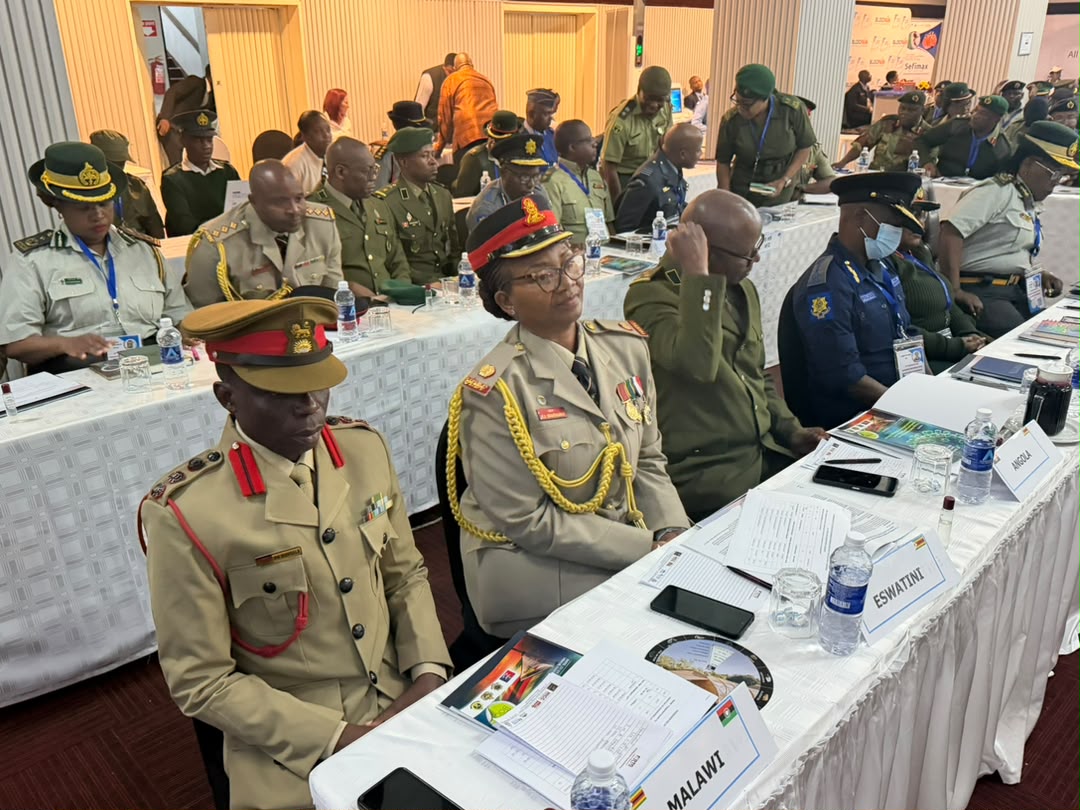
“Over the past two decades, we’ve made remarkable progress in the fight against HIV. Within our uniformed services, prevention and treatment programmes have expanded significantly,” he told delegates.
“For example, across Southern Africa HIV prevalence among uniformed personnel has historically been two to four times higher than among the general adult population.
“But thanks to strong leadership and sustained investment, many forces have reduced new infections by over 40 percent since 2010,” said Gen Matatu.
“This is a real achievement that translates to more of our personnel living longer and enjoying healthier lives. However, as you are all aware, success brings new challenges. While our people live longer, we are seeing a steady rise in non-communicable diseases, abbreviated NCDs.”
These include high blood pressure, diabetes, heart disease, and cancers, he added.
“Today, in many of our uniformed health services, NCDs are accounting for nearly one in every three consultations, representing a whopping 33 percent and becoming a new threat on the block.
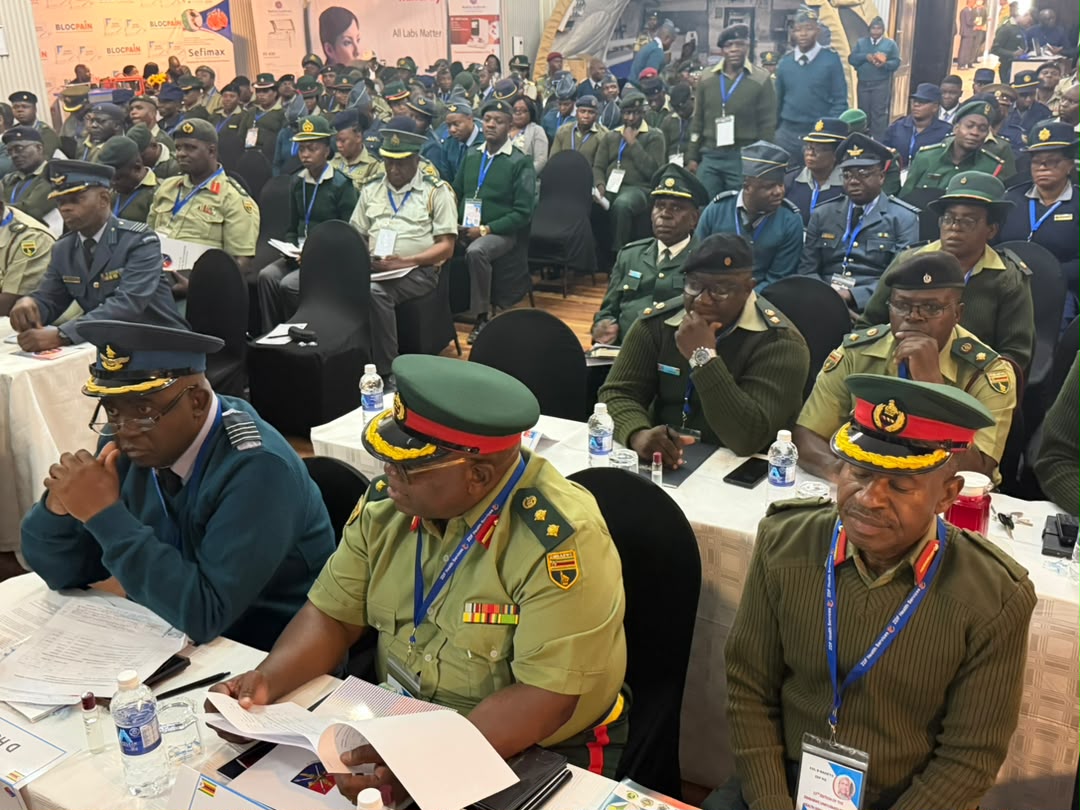
“This is more prevalent among personnel aged 40 and above, where conditions like hypertension are now very common,” said Gen Matatu.
He added that what makes this more difficult is that these diseases often occur together.
“For example, a soldier living with HIV may also develop diabetes or a police officer on long-term antiretroviral therapy may also suffer from high blood pressure. This is what is called comorbidities, that is, multiple health conditions occurring at the same time,” he lamented.
Gen Matatu said the increase of NCDs being experienced in the uniformed forces calls for a more integrated approach to treatment.
“For many years, our health systems were designed to tackle one disease at a time. It was like we had separate programmes for HIV, separate clinics for Tuberculosis, and separate screening days for high blood pressure,” he said. “That approach worked well when HIV was the dominant threat of the time, but it is no longer the case.
“Today, a patient walks into a military clinic with three different conditions and traditionally, should visit three different doctors on three different days. Instead, the patient needs one team, one plan, and one record and that is what we mean by integrated health services.
“It’s not a complicated idea but simply means treating the whole person, not just the disease,” he added.
Gen Matatu said integration must start at the primary healthcare level, at the clinic or sickbay where most of personnel first seek help, saying a good integrated system ensures that every person tested for HIV is also checked for high blood pressure.
Furthermore, Gen Matatu said every diabetes patient must be asked about their mental health, and every soldier returning from deployment must be screened for both infectious and communicable diseases.
“Integration also means continuity of care. When a service member is deployed to a border post or a peacekeeping mission, their medical records and treatment plans must travel with them to ensure no interruptions and no start-overs,” he said.
“And finally, integration means putting the patient at the centre of health care. We must ask ourselves: what does a young recruit, an officer with 20 years of service, or a veteran in retirement actually need? Their answers will guide us,” he said.
In Zimbabwe, approximately 11 percent of adults live with HIV and at the same time, data from military health facilities in the region shows that hypertension affects nearly 25 percent of uniformed personnel over the age of 35.
Diabetes is found in about 8 percent of the same group and among those living with both HIV and an NCD, the risk of hospitalisation is more than double.
Gen Matatu further said these are not distant statistics dug from the archives but of Zimbabwe’s defence forces too.
He said these statistics are not a Service challenge alone, nor is it one country’s challenge alone, saying it is something that needs collective action.
“The Southern African Development Community (SADC) has a vital role to play in this. Through SADC, we can share best practices, harmonise training standards, and pool resources for research and procurement,” he said.
“For example, a few countries in the region have already introduced integrated health records for their uniformed personnel. Others have developed joint training modules for nurses to manage both HIV and NCDs.
“We should learn from these successes and adapt them to our own context,” he said.
Gen Matatu added that none of this is possible without well-trained healthcare professionals such as doctors, nurses, clinical officers and mental health counsellors within the uniformed forces.
These, he said, must be equipped with the skills to manage multiple conditions at once.
“This means updating curricula, providing regular in-service training, and encouraging multi-disciplinary teams where a nurse, a nutritionist, and a psychologist work side by side,” he said.
“We also need to invest in mental health. Stress, anxiety, and depression are common in high-pressure environments. Mental health conditions often go hand in hand with HIV and NCDs. An integrated approach must include psychological support as a standard part of care,” he added. – @NyembeziMu.



 Bongani Ndlovu