Sukulwenkosi Dube-Matutu Mat South Bureau Chief
LOW-COST boarding facilities at two secondary schools in Umzingwane District are protecting girls from sexual abuse and teenage pregnancies while improving learning outcomes by eliminating long and risky journeys to school.
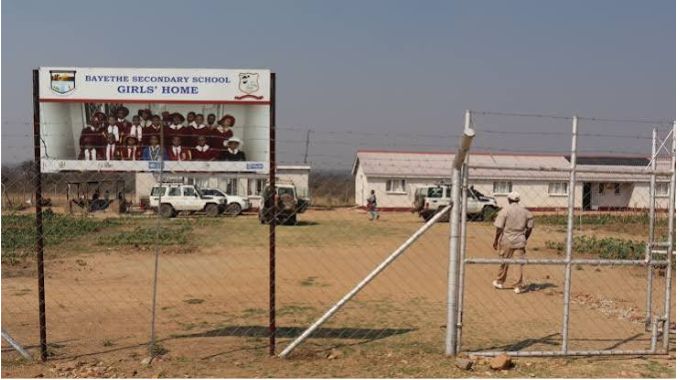
At Bayethe Secondary School in Ward 14, the facility accommodates 32 learners who previously walked up to 20 kilometres daily, exposing them to sexual exploitation, abuse and fatigue that left them with little time to study.
The school’s five feeder primary schools serve communities where small-scale mining activities have heightened risks for girls travelling long distances.
Bayethe Secondary School Development Committee chairperson, Mr Khumbulani Sibanda, said the facility, which opened in January 2023, had brought significant improvements in learner safety and academic performance.
“Before this low-cost boarding facility was constructed, the situation was bad. Children were dropping out of school because of teenage pregnancies. Some of the children have fallen pregnant but the people responsible are not known.
“This place has a lot of small-scale miners and most of them will be coming from other places. With children walking long distances, they get exposed to these small-scale miners who put pressure on them leading to sexual intercourse,” he said.
Mr Sibanda said teenage pregnancies had declined while the school’s pass rate had risen from 2,3 percent to 14 percent and then 50 percent over the past three years.
“In a year we could have up to 10 learners falling pregnant and some would fail to continue with their school. Now we can have incidents, or none at all, of a child falling pregnant. The performance of learners has greatly improved as they now have plenty of time to read,” he said.
For parents, the facility has also eased fears over their children’s safety.
Ms Sehlile Lusinga said her daughter used to leave home as early as 4 AM to reach school on time, while parents took turns accompanying learners along the route.
However, the children were often left to walk home alone, exposing them to sexual violence and other forms of abuse.
“We have children under 15 years who fell pregnant. Other children were raped along the way because of the long distance. Children were not even getting adequate time to read because it would take them up to three hours to get home from school.
“As parents, we’re relieved that our children now have a better chance in their studies and their conditions have improved,” she said.
Beyond providing accommodation, the facility has created opportunities for mentorship and life-skills education.
The school’s matron, Ms Nomsa Ncube, said the girls were being guided on various issues to help them develop a positive outlook, set goals and value education.
She said learners were also receiving agricultural education.
Similar low-cost boarding facilities have been established at Sihlengeni High School in Umzingwane District, with each school accommodating 32 girls.
The initiative seeks to improve school attendance and learning outcomes while reducing teenage pregnancies, school dropouts and the risks of rape, sexual abuse and bullying associated with long journeys to school.
The facilities were established by the Government in partnership with development organisations as part of the HIV response targeting adolescent girls and young women.
The project is supported by the Global Fund through the United Nations Development Programme (UNDP), with the National AIDS Council (NAC) and Plan International serving as implementing partners under the Determined, Resilient, Empowered, AIDS-free, Mentored and Safe (DREAMS) programme. It targets adolescent girls and young women aged between 15 and 24.
NAC Umzingwane District AIDS Coordinator, Mr Mduduzi Ngwenya, said the facilities would help address factors contributing to HIV vulnerability among young people.
“The DREAMS programme, which targets adolescent girls and young women, is a response to the high HIV rate within this age group. We realised some of the major drivers are lack of schooling and teenage pregnancies.
“Some of the girls in these two schools were failing to access schooling due to long distances and, as such, with our partner Plan International, through funding from UNDP, we saw fit to establish these low-cost boarding facilities,” he said.
-@DubeMatutu